A soaring price tag can signal scarcity, but it does not automatically create a luxurious home. What makes a home luxury is the feeling that every meaningful decision - from the approach to the front door to the light in the primary suite - has been considered with care. The home supports daily life beautifully, offers a genuine sense of place, and holds its value because its quality is more than surface-deep.
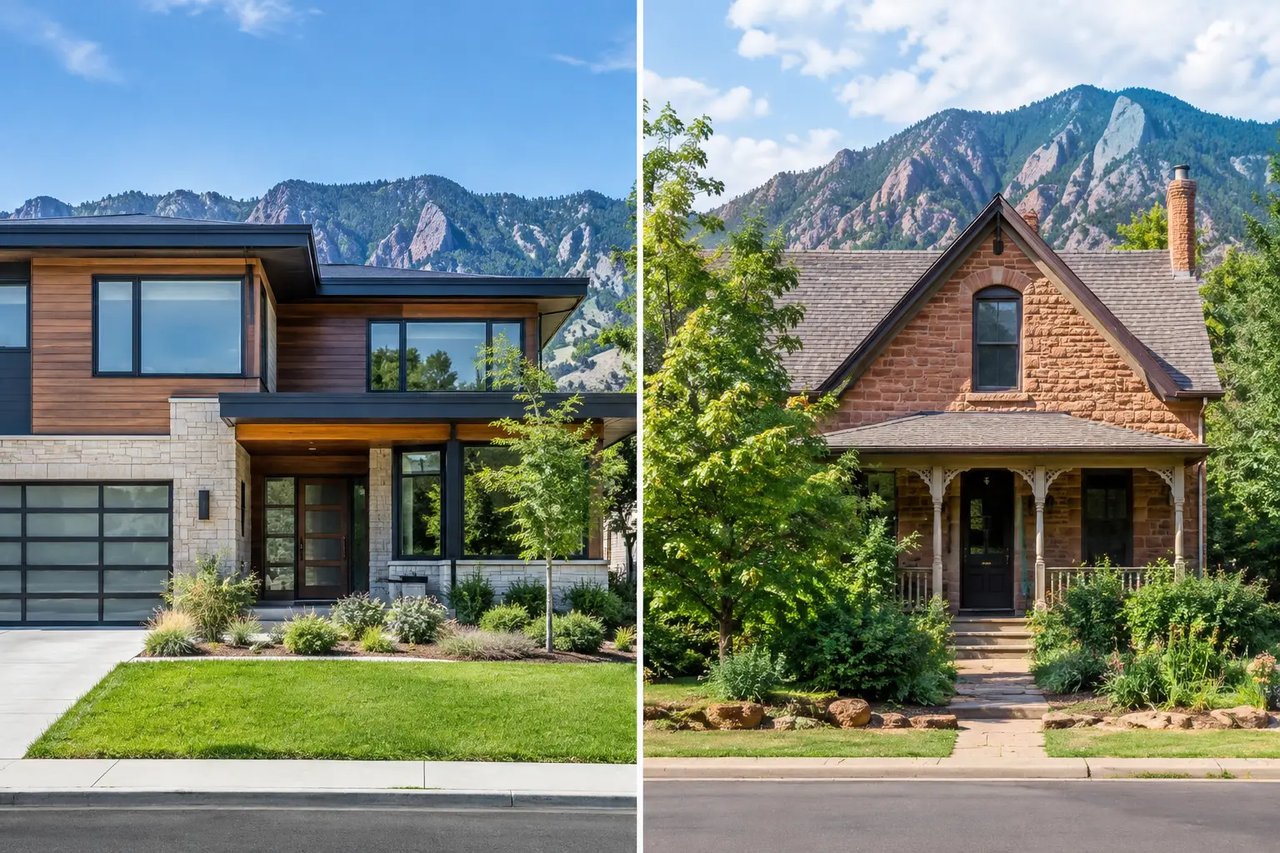
For buyers in Boulder, that distinction matters. A contemporary home near Downtown, a quiet retreat on Pine Brook Hill, and a historic Mapleton Hill residence may look entirely different, yet each can deliver luxury through a rare combination of setting, craftsmanship, privacy, and ease. The best luxury properties are not defined by a checklist. They are defined by how well the details work together.
What Makes a Home Luxury Beyond Its Price?
Luxury begins with quality, but quality is not always loud. It can be found in solid doors that close with a satisfying weight, cabinetry designed for the room rather than selected from a standard catalog, and stonework that feels appropriate to the architecture. It is evident in the transitions, too: where flooring meets a threshold, how trim aligns around a window, and whether the materials become more beautiful with age rather than merely photograph well on listing day.
Thoughtful planning is equally important. A large home can still feel inconvenient if the kitchen is disconnected from the spaces where people gather, storage is inadequate, or the primary bedroom has no privacy. Conversely, a smaller property may feel exceptionally luxurious when the layout is efficient, the rooms have generous proportions, and each space has a clear purpose.
Price is part of the equation, particularly in highly sought-after neighborhoods. But price can reflect land value, market timing, or a limited supply of homes in a certain location. Luxury is the additional value created when a home offers a more refined experience than its peers.
An Exceptional Setting Creates Lasting Value
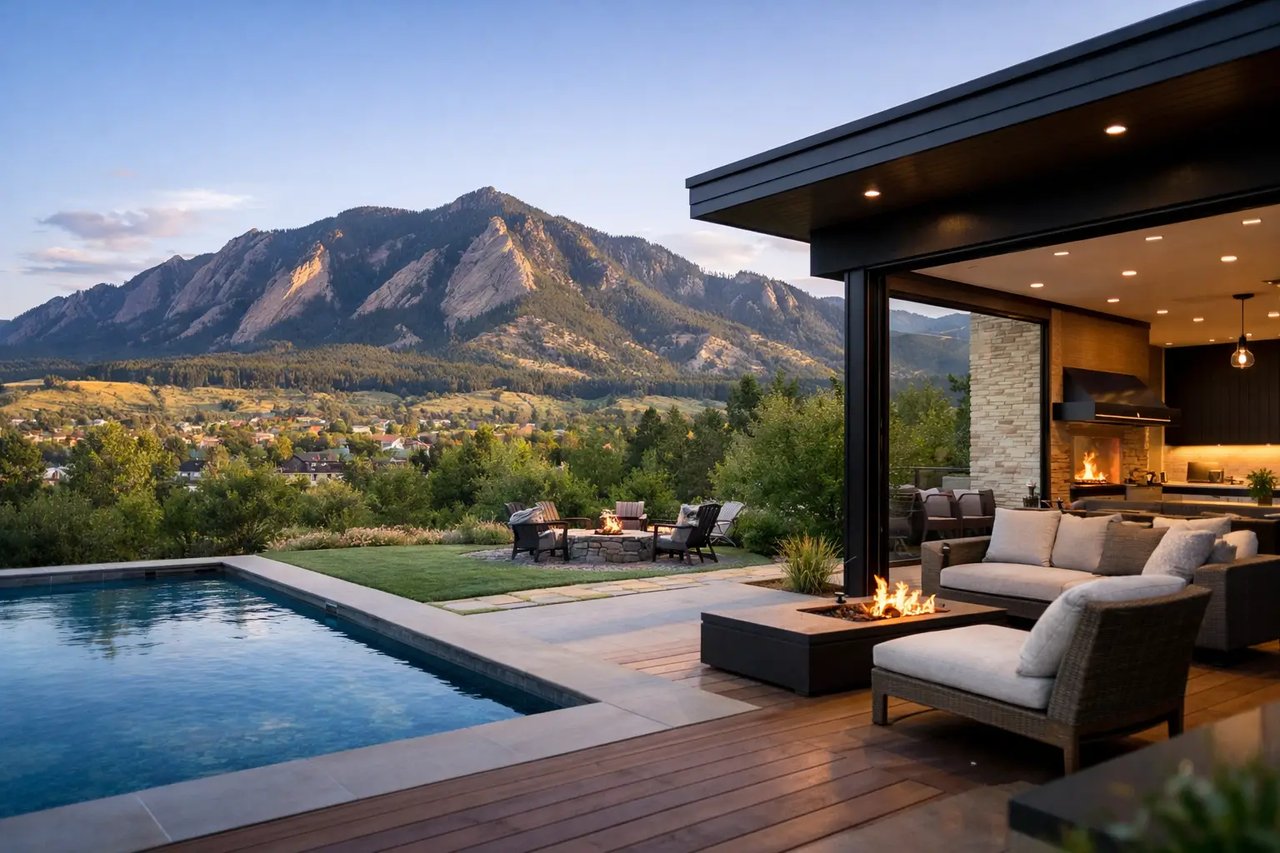
Location is a familiar real estate principle, yet luxury location means more than a desirable ZIP code. It is the specific relationship between the house and its surroundings. A home may have Flatirons views framed from the living room, mature trees that create privacy, a walkable route to neighborhood restaurants, or immediate access to trails without feeling exposed to trail traffic.
The details of a site can have a major effect on everyday enjoyment and resale appeal. Consider solar orientation, the elevation of nearby homes, road noise at different times of day, and whether outdoor living areas actually receive the sun or shade you prefer. In the foothills, access, drainage, wildfire mitigation, and the practical realities of winter weather deserve the same attention as views.
A premium setting does not have to mean isolation. For some buyers, luxury is being able to walk to Pearl Street, enjoy a morning coffee nearby, and return to a peaceful, beautifully finished home. For others, it is acreage, quiet, and an uninterrupted horizon. The right answer depends on the lifestyle, but the setting should feel difficult to replicate.
Privacy Without Disconnection
Privacy is one of the most valuable and misunderstood luxury features. It is not simply a gate, a tall fence, or distance from neighbors. True privacy comes from intelligent placement of windows, outdoor spaces, landscaping, and entries. It allows homeowners to enjoy a terrace, pool, or open kitchen without feeling as if they are on display.
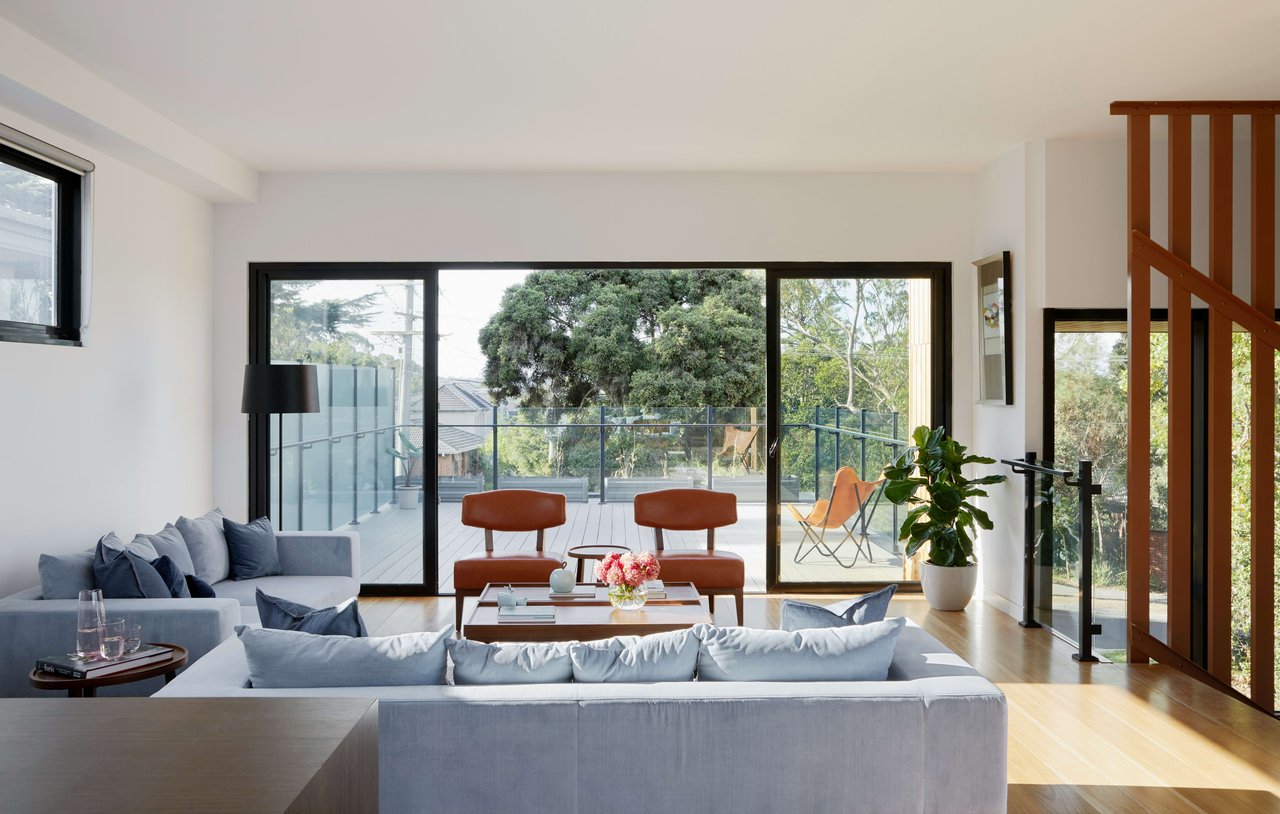
At the same time, a home should not feel shut off from its surroundings. Well-designed luxury balances retreat with connection. A private courtyard can create a calm arrival experience; expansive glass can open toward a protected view; landscaping can soften boundaries while preserving a sense of openness.
Design That Serves the Way You Live
Luxury design is personal, but it should never be arbitrary. The strongest homes have a clear point of view that is carried consistently through the architecture, finishes, lighting, and furnishings. Whether the style is clean-lined contemporary, warm mountain modern, or classic and tailored, the home feels cohesive rather than assembled room by room.
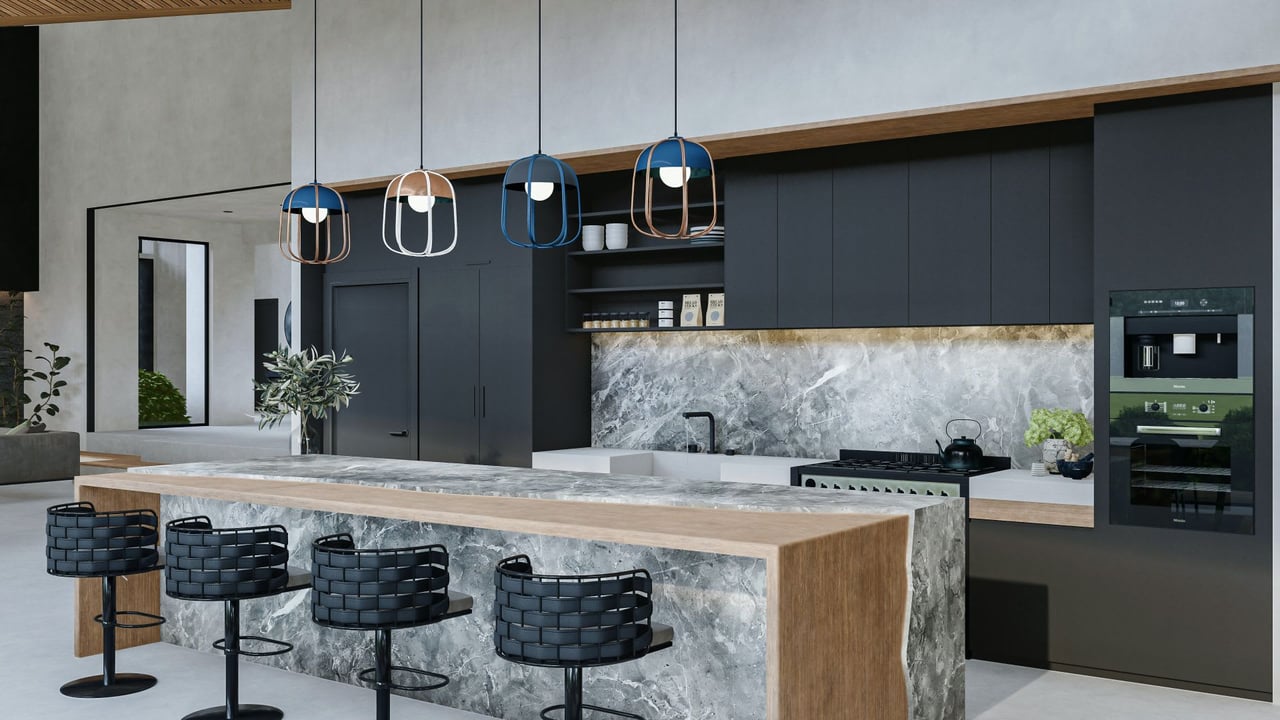
Function is where design earns its place. A beautiful kitchen should offer sufficient work surfaces, intuitive storage, durable materials, and lighting that works after sunset. A primary suite should feel like a retreat, but it should also provide useful closets, thoughtful privacy, and a bath designed for real routines. A mudroom, pantry, laundry room, and garage may not be the most glamorous spaces, yet their quality often has the greatest impact on daily life.
This is also where interior design insight can help a buyer see potential that is not immediately obvious. Paint, furnishings, and dated fixtures can distract from strong architecture or an excellent floor plan. On the other hand, a newly renovated home may need a closer look if the finishes are fashionable but the layout, storage, or construction quality falls short. A luxury home should be beautiful in photographs and comfortable on an ordinary Tuesday.
Craftsmanship and Materials You Can Feel
The distinction between high-end finishes and true craftsmanship becomes clear over time. Luxury materials are selected not only for their appearance, but for their performance, durability, and fit with the home. Natural stone, hardwood, plaster, metalwork, and custom millwork can bring texture and character when used with restraint.
Quality construction also matters in ways that may not be visible during a first showing. Strong insulation, well-built windows, carefully designed HVAC systems, sound control between rooms, and reliable drainage contribute to comfort and stewardship. In Colorado, efficient systems, appropriate exterior materials, and a home’s ability to handle changing weather are practical measures of quality.
Not every luxury home needs the same level of finish in every room. In fact, over-improvement can limit flexibility or create unnecessary maintenance. The goal is not to choose the most expensive option at every turn. It is to invest where the homeowner will feel and use the difference.
Space for Connection, Restoration, and Flexibility
A luxury home accommodates both the life you have now and the life that may change over time. It makes room for gatherings without forcing every day to feel formal. It provides places to work, exercise, host family, pursue a hobby, or simply close a door and recharge.
The most compelling homes offer this flexibility naturally. A well-positioned guest suite may become a comfortable space for an aging parent, an adult child, or visiting friends. A secondary living area can give a household room to spread out. A dedicated office with good light and separation from the main living spaces has become far more valuable for professionals who work from home regularly.
Outdoor areas deserve the same level of thought. A luxury patio is not just a large slab with outdoor furniture. It is an extension of the home, with comfortable circulation, useful shade, privacy, and an inviting relationship to the landscape. Depending on the property, that might mean a covered dining area, a fire feature, a kitchen garden, or simply a quiet place to watch the light move across the foothills.
Technology and Wellness, Used Thoughtfully
Smart-home features can improve convenience, security, and energy efficiency, but technology alone does not make a home luxurious. A complicated system that only one person knows how to operate can quickly become a frustration. The most valuable technology is intuitive and well maintained: climate control that creates comfort in every zone, lighting that adapts to different moments of the day, reliable security, and infrastructure that can evolve without a major renovation.
Wellness features are similarly meaningful when they suit the owner’s routines. Clean indoor air, excellent water filtration, a home gym, a sauna, or a quiet meditation space can add real value. Yet a feature should be evaluated honestly. A dedicated spa room may be a dream for one buyer and an expensive, underused space for another. Luxury is choice and comfort, not excess for its own sake.
The Luxury of a Well-Considered Purchase
For buyers, identifying luxury requires looking beyond staged rooms and impressive amenities. Visit at different times if possible. Notice the arrival, the quality of natural light, sound levels, storage, ceiling heights, and the relationship between indoor and outdoor spaces. Ask about the age and care of major systems, the reasoning behind renovations, and the costs associated with maintaining distinctive features.
For sellers, the opportunity is to present the home’s real strengths with clarity. That may mean refining the design, addressing deferred maintenance, and preparing a narrative around the property’s setting, craftsmanship, and lifestyle. The most successful luxury marketing does not rely on superlatives. It helps the right buyer understand why the home is rare.
A luxury home should feel considered long after the first impression fades. If you are weighing a purchase, sale, or renovation in Boulder, a thoughtful conversation can help you recognize the details that will matter most to your life and to the home’s future value.