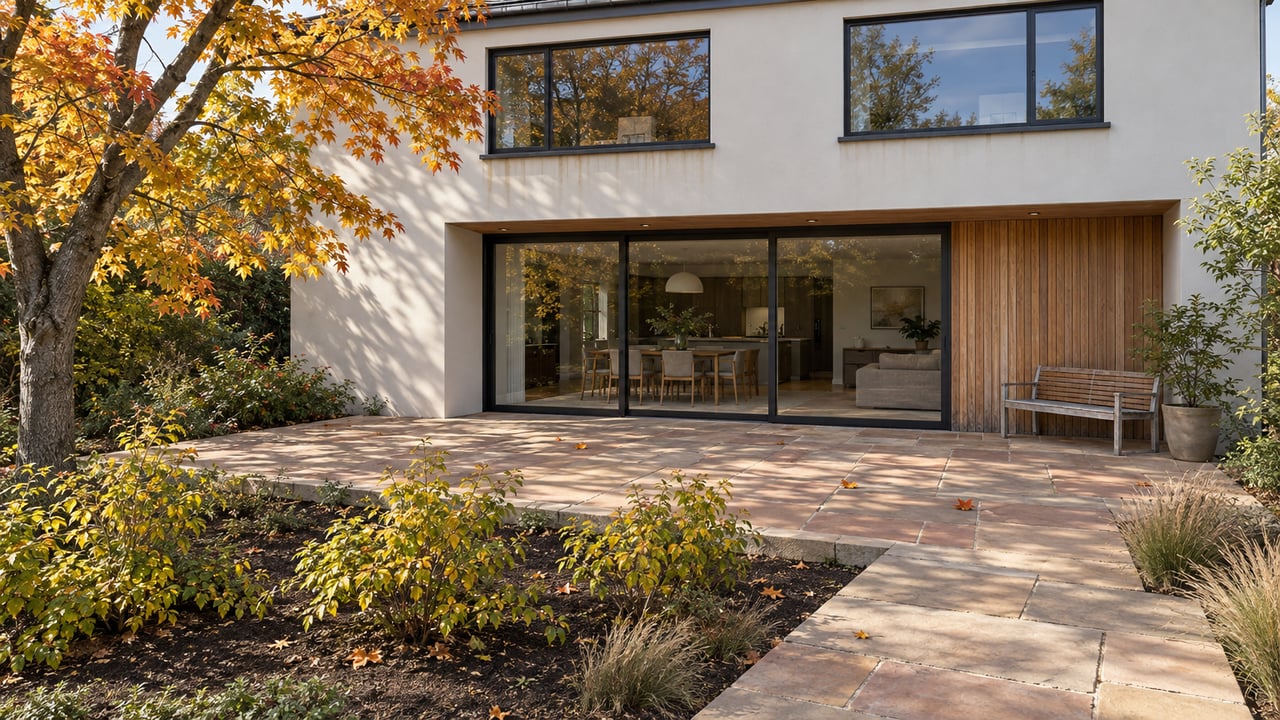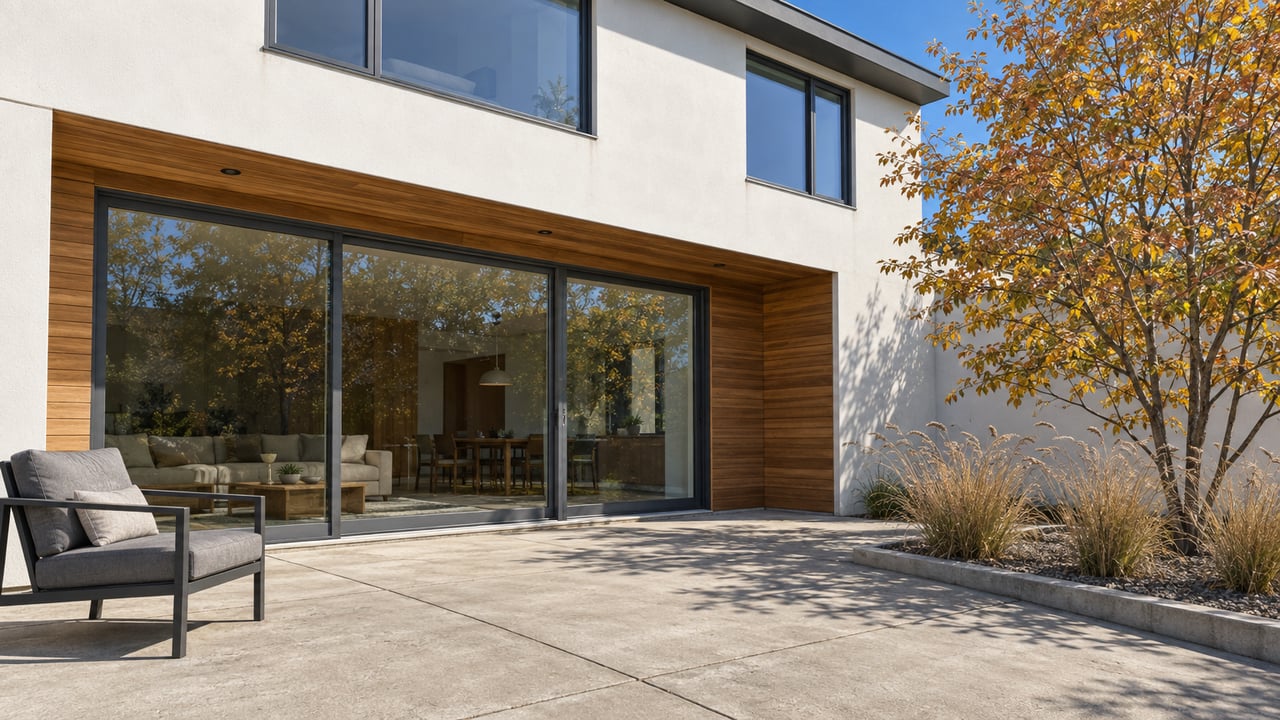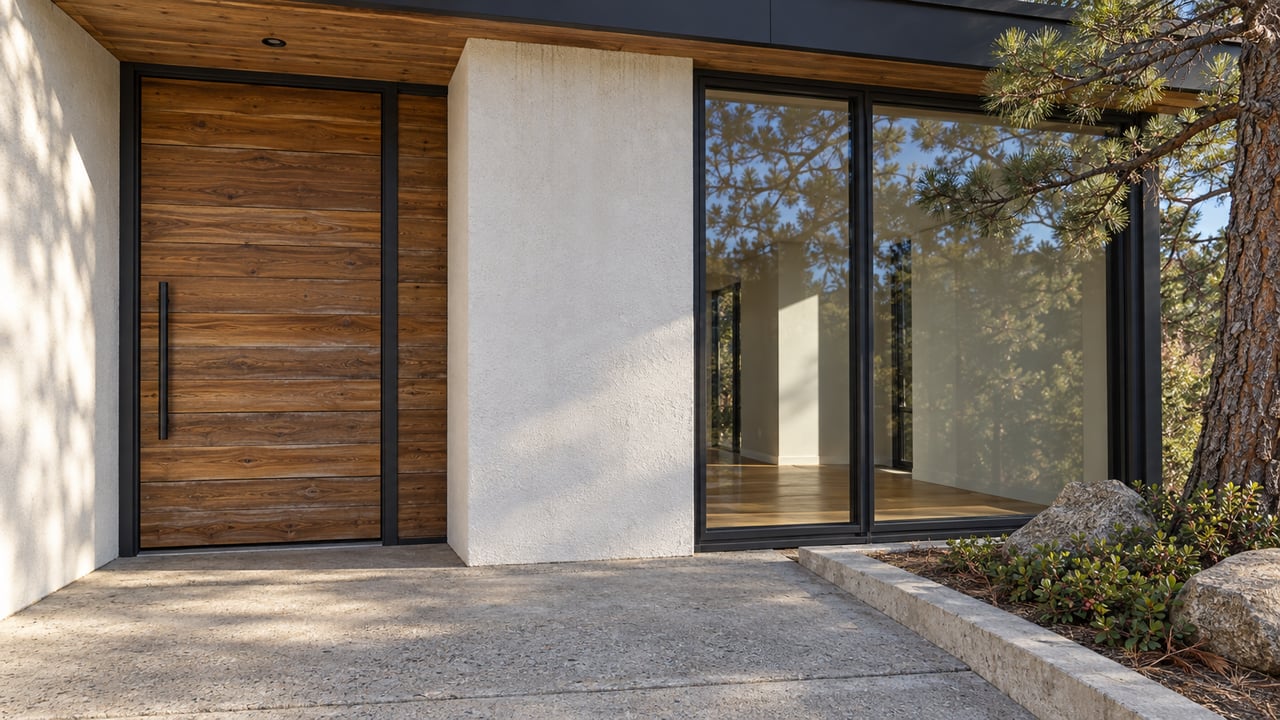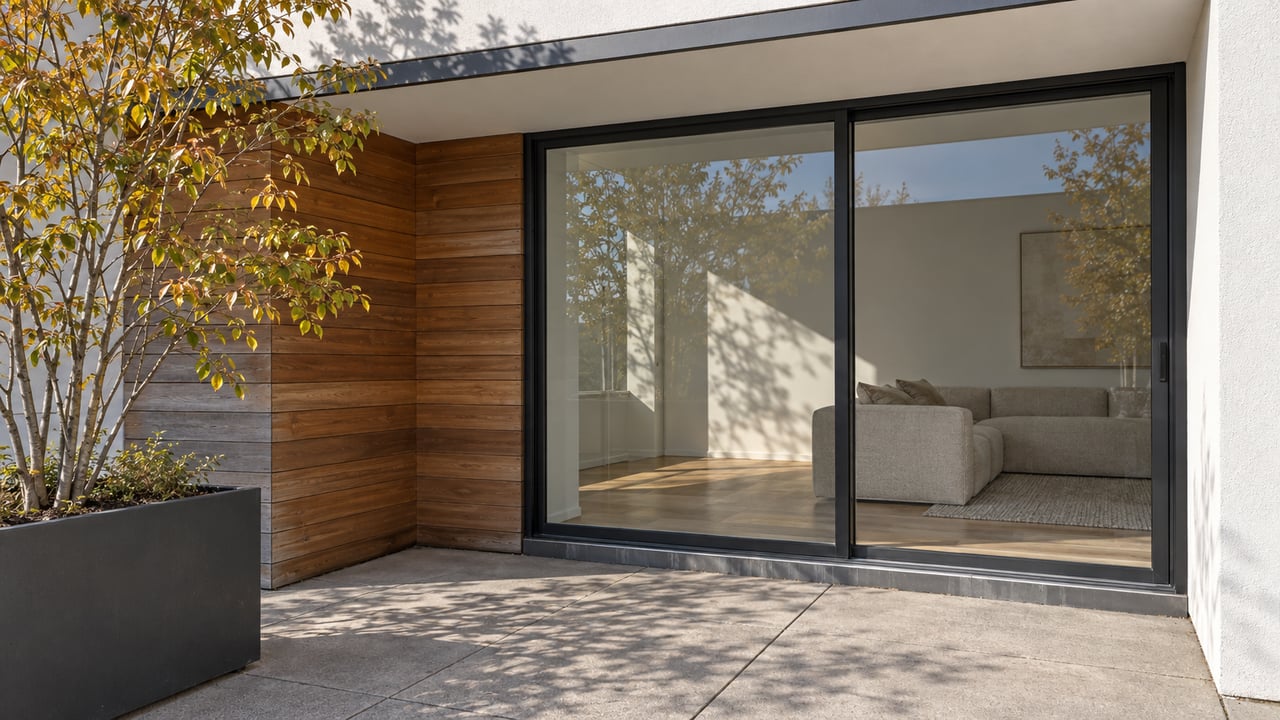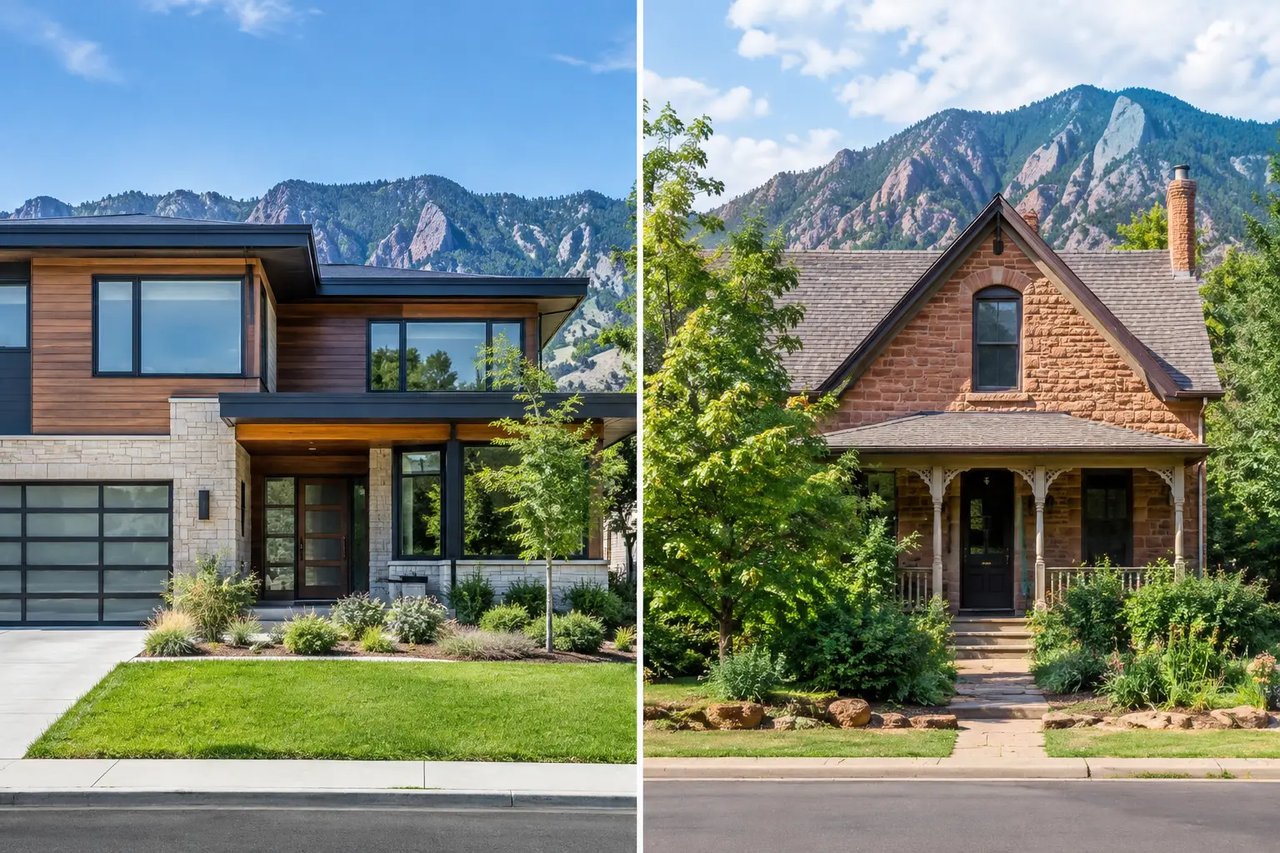
A sunlit Victorian near Mapleton Hill and a newly built contemporary home in North Boulder can command similar attention, but they deliver entirely different ownership experiences. The question of new construction vs historic homes in Boulder is not simply about old versus new. It is about how you want to live, what level of stewardship feels right, and where you see long-term value in one of Colorado's most distinctive real estate markets.
For some buyers, original millwork, a deep front porch, and a walkable location near downtown are nonnegotiable. For others, the appeal is a quiet, efficient home with clean-lined interiors, modern systems, and fewer immediate projects. Both can be exceptional choices when the property, neighborhood, and investment strategy align.
New Construction vs Historic Homes Boulder Buyers Should Consider
Boulder's supply of both historic and newly constructed homes is shaped by limited land, thoughtful zoning, and strong demand for established neighborhoods. That makes a direct comparison more nuanced than it might be in a market with broad suburban expansion.
Historic homes are often found in some of the city's most beloved, central areas, including Mapleton Hill, Whittier, University Hill, and parts of downtown. They place owners close to restaurants, trails, schools, and the everyday rhythm that gives Boulder its character. New construction, meanwhile, may appear as a custom build, a carefully designed infill home, or a substantial rebuild on an existing lot. It can also be found in newer pockets where contemporary architecture and low-maintenance living are priorities.
The better choice depends less on a universal formula and more on your daily life. A family who wants to walk to Pearl Street, entertain on a gracious porch, and live among mature trees may gladly accept an older home's quirks. A relocation buyer with a full travel schedule may place greater value on a turnkey property, integrated technology, and predictable near-term maintenance.
What You Gain With a New Construction Home
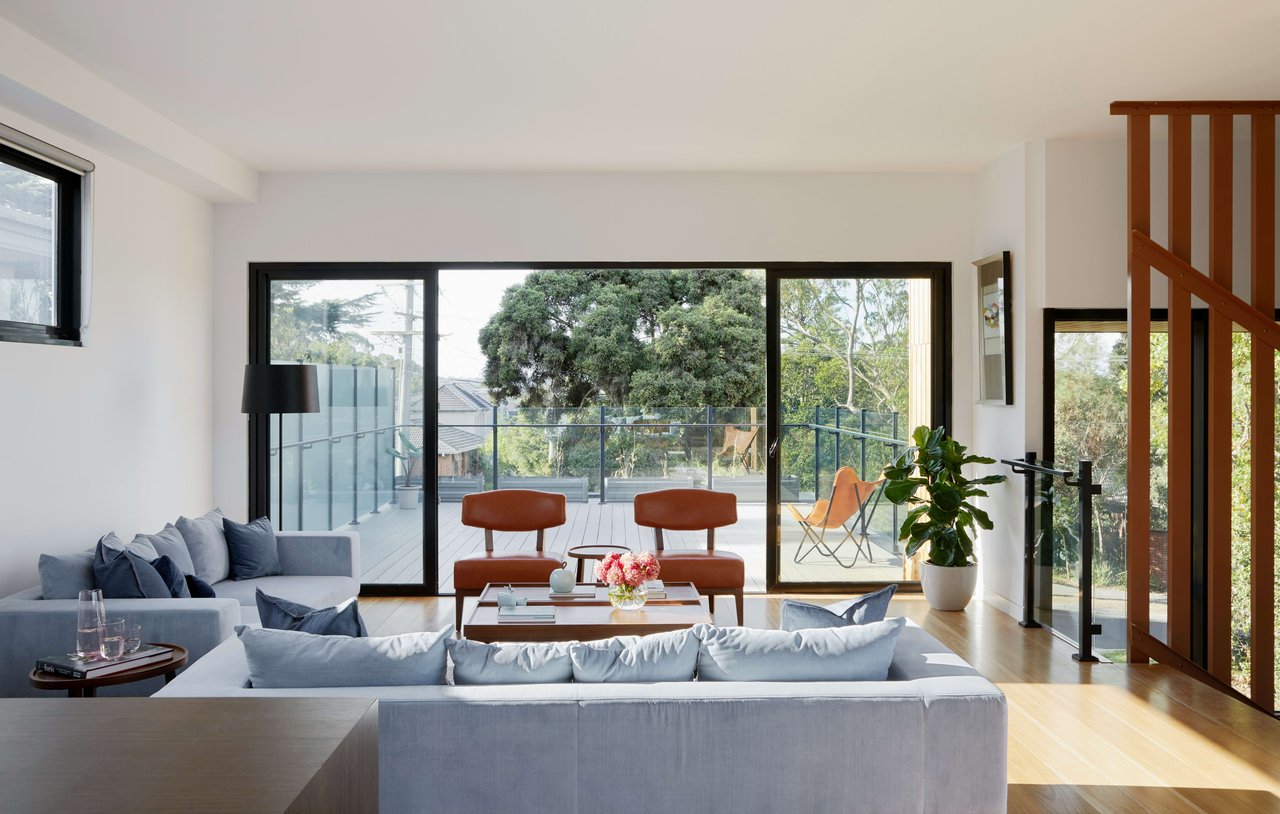
A well-executed new home offers an immediate sense of ease. Major systems are new, layouts tend to reflect current lifestyles, and the home may include the details many buyers now expect: generous kitchen storage, larger primary suites, dedicated office space, efficient windows, improved insulation, and thoughtful indoor-outdoor flow.
Energy performance is a meaningful advantage. Boulder buyers often care deeply about comfort, operating costs, and environmental impact. Newer homes are generally built to more current codes and may incorporate high-performance glazing, heat-pump systems, solar readiness, electric vehicle charging, and modern ventilation. Those features can make a genuine difference during cold winter nights, hot summer afternoons, and the seasonal temperature shifts common along the Front Range.
New construction also creates an opportunity to prioritize design from the beginning. The strongest homes feel tailored rather than merely new. Material selections, natural light, cabinetry proportions, sightlines, and landscaping all affect how a home lives. A refined contemporary home can feel warm and enduring when its design responds to its setting instead of following a passing trend.
Still, “new” should never substitute for careful due diligence. Builder reputation, warranty terms, permit history, drainage, lot orientation, and finish quality matter. In a custom or recently completed home, it is wise to look past polished staging and assess the construction details that are harder to see. An independent inspection remains valuable, even when the home has never been occupied.
The trade-offs of buying new
New homes in established Boulder neighborhoods frequently carry a premium, particularly when they combine a coveted address with contemporary finishes. The lot may also be smaller than buyers expect, especially with infill construction. A larger home footprint can leave less private outdoor space, and close neighboring structures may affect light, views, and privacy.
There is also the question of character. Some buyers find new homes immediately calming; others feel they need time, art, landscaping, and personal layers to develop a sense of place. If architectural authenticity matters deeply to you, a new build may need to work harder to create the emotional connection that an older home provides on day one.
The Enduring Appeal of Boulder’s Historic Homes
Historic homes offer something that cannot be replicated quickly: a relationship with their neighborhood. Mature landscaping, tree-lined streets, varied architecture, and a visible sense of continuity often make these properties especially compelling. A 1920s cottage, an early twentieth-century Craftsman, or a gracious older residence on Mapleton Hill can offer proportions and craftsmanship that feel both personal and lasting.
Many historic homes also occupy irreplaceable locations. Their streets were established before modern development patterns, often closer to downtown, parks, trail access, and neighborhood gathering places. For buyers who want a vibrant, walkable lifestyle, the setting can be every bit as valuable as the home itself.
From a design perspective, older homes can be exceptionally rewarding. Original doors, plaster walls, leaded glass, built-ins, and woodwork provide a foundation that newer finishes cannot fully imitate. Sensitive updates can add a chef-worthy kitchen, better storage, and modern baths while preserving the elements that tell the home's story.
The reality behind the charm
Historic ownership asks more of a buyer. Even beautifully maintained homes may have aging sewer lines, older electrical panels, less insulation, uneven floors, masonry issues, or prior renovations completed to standards that no longer meet expectations. Lead-based paint and asbestos-containing materials are common considerations in older properties and should be evaluated professionally when renovation is planned.
The goal is not to avoid an older home because it has a history. It is to understand that history. A thorough inspection, sewer scope, review of permits, and clear conversations about prior improvements can reveal whether a home's character has been cared for with discipline or merely covered with cosmetic updates.
If a property is individually landmarked or located in a historic district, exterior changes may be subject to additional review. That can help preserve neighborhood integrity, but it may affect the timing, design, and cost of a future addition, window replacement, or exterior alteration. Buyers should understand those parameters before assuming a renovation vision is straightforward.
Renovation Potential Is Not the Same as Easy Potential
Buyers are often drawn to historic homes because they see what the property could become. That instinct can be right, especially in highly desirable neighborhoods where an exceptional location supports thoughtful investment. Yet renovation budgets and timelines need more room than most first estimates allow.
Before making an offer, consider the scope of the work, not just the appearance of the finished spaces. Moving walls, upgrading systems, improving insulation, adding air conditioning, or reworking a kitchen can involve engineering, permitting, and temporary disruption. On older homes, surprises behind walls are possible. On properties with landmark considerations, the exterior design process may require added patience.
A smart approach is to separate your wish list into immediate needs, improvements that can wait, and projects that may not justify their cost. Sometimes the ideal purchase is a historic home with a renovated kitchen and sound systems, leaving only cosmetic opportunities to make it your own. Other times, a more extensive project makes sense because the location is truly rare and the long-term vision is clear.
Value, Resale, and the Importance of Fit
In Boulder, resale value is closely tied to location, condition, architecture, and execution. A historic home with preserved character and well-integrated upgrades can be highly sought after. A new home with excellent design, strong construction, and a thoughtful relationship to its lot can be equally compelling. Neither category automatically wins.
Buyers should be cautious about over-improving for the setting. The most expensive finishes do not always produce the best return if the layout is awkward, the lot lacks privacy, or the home does not fit neighborhood expectations. Conversely, a home with modest finishes but an outstanding address and beautiful bones may offer meaningful upside.
For sellers, the distinction is equally important. A newer home should be presented around its design, performance, and ease of ownership, not only its square footage. A historic property deserves marketing that highlights its provenance, architectural details, updates, and lifestyle location. The right positioning helps buyers see the value beyond a simple age comparison.
Choose the Home You Will Enjoy Caring For
The best decision is often emotional and practical at once. If you love patina, architectural detail, and the idea of becoming a careful steward of a special home, a historic property may be worth the added attention. If you value efficiency, clean design, and the freedom to spend weekends on the trail rather than coordinating contractors, new construction may feel like the more luxurious choice.
A private, property-specific conversation can bring clarity before you commit. Debby Caplin Real Estate can help you assess not only a home's market position, but also its design potential, renovation considerations, neighborhood fit, and the details that will matter long after closing. The right Boulder home should feel inspiring when you arrive and sensible when you look beneath the surface.