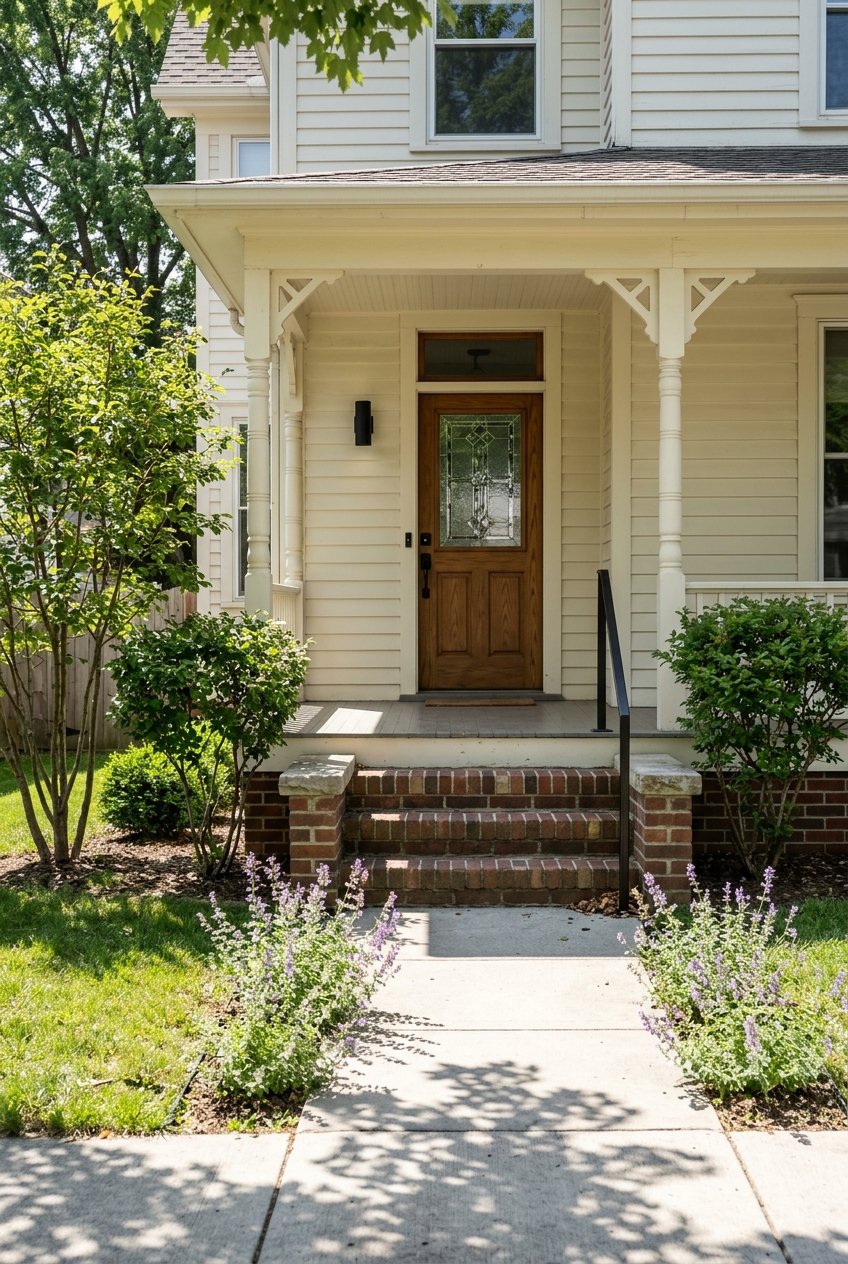
If you are thinking about buying a historic home in Mapleton Hill, you are probably drawn to more than square footage. You may be picturing a tree-lined street, a welcoming front porch, and the kind of architectural detail that is hard to find in newer construction. The good news is that Mapleton Hill offers all of that, but it also comes with rules, opportunities, and renovation realities you should understand before you buy. Let’s dive in.
Why Mapleton Hill stands out
Mapleton Hill is one of Boulder’s 10 local historic districts. It was designated in 1982 and expanded in 2002, and the district is generally bounded by Concord Street to the north, Spruce Street to the south, 4th Street to the west, and Broadway to the east.
According to the City of Boulder, the district includes roughly 500 homes. Nearly 57% were built before 1910, and about 30% were built between 1895 and 1900. Its official period of significance runs from 1865 through 1946, which helps explain why the neighborhood feels layered, established, and visually rich.
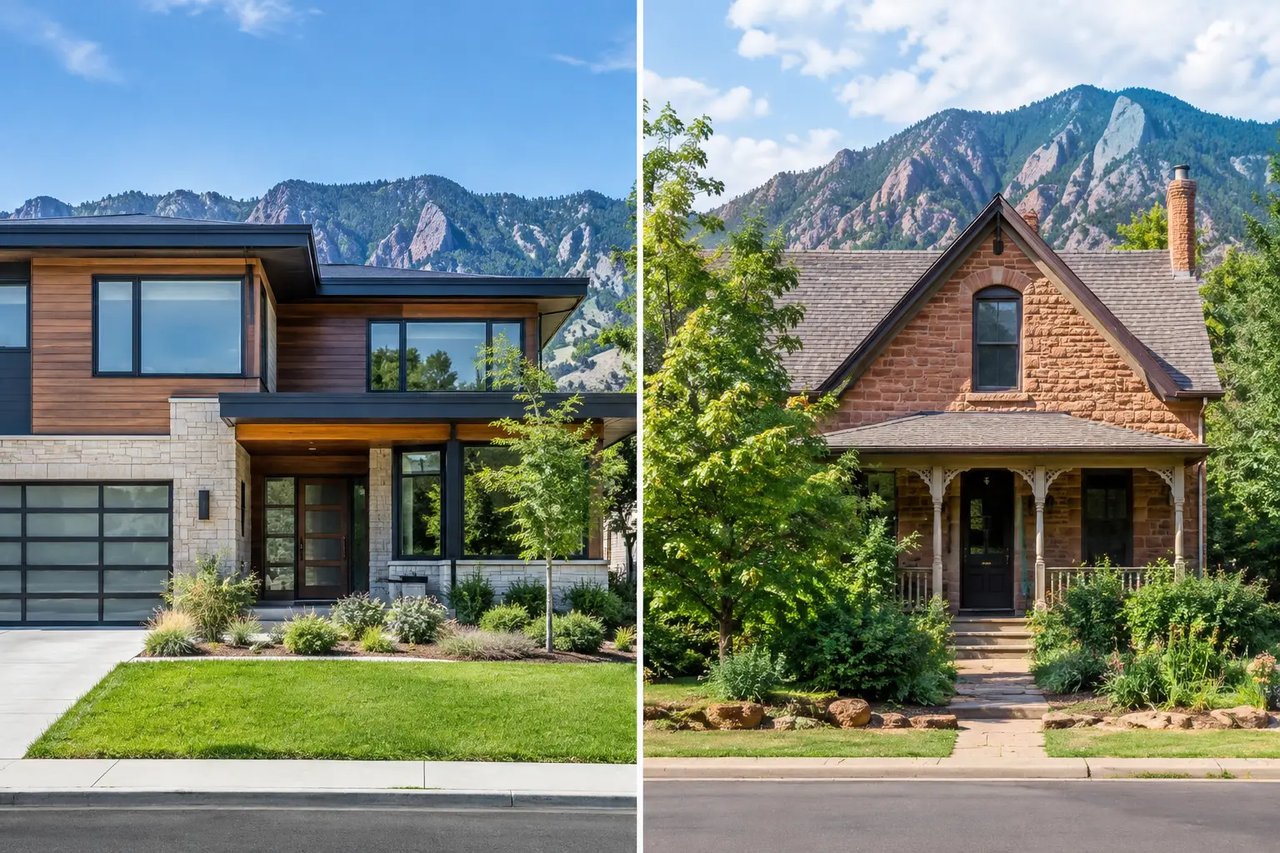
One of the most appealing things about Mapleton Hill is that there is no single dominant architectural style. The city describes the district as preserving virtually every late-19th-century architectural revival style, which means your options may range from a simple cottage to a more ornate historic residence.
The neighborhood’s character is not only about the homes themselves. Mature trees, varied lot sizes, front yards, and the canopy along Mapleton Avenue all shape the experience of living there. For many buyers, that setting is part of the value.
What historic designation means for you
A lot of buyers worry that historic designation means a home cannot change. In Boulder, that is not how it works.
The city is clear that historic district designation is meant to protect historic, architectural, and environmental significance without freezing a property in time. It does not regulate how you use the home, and it does not require you to make improvements just because the home is historic.
That said, ownership does come with responsibilities. If your home is individually landmarked or located within a historic district, exterior changes require a Landmark Alteration Certificate, often called an LAC.
This matters because many common projects trigger review. The city says that roofing, paint, fences, additions, solar panels, windows, doors, porch enclosures, and mechanical equipment are among the exterior changes that typically require an LAC.
Exterior work gets the most scrutiny
For most buyers, the key practical distinction is simple: interior work is usually more flexible than exterior work. Boulder notes that interior work generally does not require a Landmark Alteration Certificate, although some projects may still need a building permit or must meet energy-code requirements depending on the scope.
Exterior work is different because it affects the streetscape and the district’s character. In Mapleton Hill, that character includes visible roof forms, dormers, vertical double-hung windows, original wall materials, and especially porches.
The district guidelines treat porches as one of the neighborhood’s dominant visual elements. That means porch repairs, alterations, and enclosures tend to receive careful review because they can materially change how a home and the street feel.
Mapleton Hill features buyers should notice
When you tour homes in Mapleton Hill, it helps to know what the city considers character-defining. That can give you a better sense of which features may be more important to preserve and which updates may be easier to pursue.
Look for features such as:
- Open front porches
- Strongly vertical double-hung windows
- Distinct roof forms and dormers
- Original exterior wall materials and details
- Setbacks and front-yard patterns that fit the street
These details are part of what makes the district special. They are also the details that can shape renovation plans later.
Age alone does not tell the full story
One common misconception is that only officially landmarked homes are affected by Boulder’s historic rules. In reality, age can still matter even if a property is not designated.
The city notes that a property older than 50 years that is not designated may still be subject to historic demolition review when proposed work meets the city’s demolition definition. In other words, you should not assume that a non-designated older home comes with no historic review considerations.
If you are evaluating a purchase with major future plans in mind, this is an important due diligence point. The right next step is to understand both the home’s designation status and how Boulder may review the type of work you hope to do.
Renovations that usually fit best
If you love Mapleton Hill but want a home you can personalize, there is good news. Boulder’s guidance supports change, but it favors repair and compatibility over replacement and overbuilding.
For example, the district guidelines say existing walls, windows, and exterior features should be repaired whenever possible. If original materials cannot be matched, the recommendation is to simplify rather than imitate historic details in a way that feels artificial.
For additions, rear and sometimes side placements tend to work better than building upward. The guidelines note that major renovations or adding a full or partial story that changes the character of a historic structure is usually not appropriate.
New construction can still happen in the district, but the city says it should fit the context without pretending to be old. That balance matters if you are considering a lot with redevelopment potential or a property where substantial change is part of your long-term vision.
Windows, porches, and materials matter
Some updates carry more weight than others in historic districts. In Mapleton Hill, windows, porches, and exterior materials often sit at the center of the conversation.
Boulder says windows are among the most important character-defining elements of a historic building. The city recommends rehabilitation over replacement whenever possible and notes that appropriate window rehab can perform comparably to new Energy Star-rated windows.
That can be encouraging if you are worried that original windows automatically mean poor efficiency. In many cases, thoughtful repairs, storm windows, air sealing, and insulation can improve comfort while preserving the home’s historic fabric.
Material choices also matter. The district guidelines caution against sandblasting masonry or wood and emphasize using materials similar in type and scale to the existing building. This is one reason historic-home projects usually benefit from planning before you start ordering materials or hiring crews.
Solar, fences, and energy updates
Historic homes and modern priorities can work together, but the path is usually more intentional. In Mapleton Hill, exterior improvements like fences and solar panels are possible, though they are reviewed.
Boulder requires a Landmark Alteration Certificate for fences in historic districts. For solar and roof appurtenances, the city’s guidance is to minimize street visibility and respect the home’s roof form.
If energy performance is one of your concerns, Boulder recommends an instrumented energy audit by a professional energy auditor. The city also notes that well-planned improvements can increase comfort, improve safety, lower utility bills, and enhance value while preserving authenticity and integrity.
Your due diligence before closing
Buying a historic home is rarely just about the home inspection. In Mapleton Hill, a stronger due diligence process can help you avoid surprises and make a more confident offer.
Before closing, consider confirming:
- Whether the property is individually landmarked or within the historic district
- Which past exterior changes were completed and whether approvals were obtained
- Whether your planned projects would likely require a Landmark Alteration Certificate
- The age and condition of windows, roofing, porches, and exterior materials
- Whether an energy audit would help you prioritize comfort and efficiency upgrades
- Whether your renovation plans may qualify for the Colorado residential Historic Preservation Tax Credit
If you already know you want to renovate, it is smart to start building your team early. Boulder does not recommend specific contractors or specialists, so buyers should expect to assemble their own professionals, which may include a general inspector, an energy auditor, and a historic-window or preservation specialist.
A tax credit that may help
For buyers planning a qualified rehab, Colorado’s residential Historic Preservation Tax Credit may be meaningful. According to Boulder’s guidance, the credit equals 20% of qualified rehabilitation costs up to $100,000 and can be applied over 10 years.
The credit applies to designated historic properties or contributing resources in local, state, or national historic districts. Boulder reviews the residential credit as a Certified Local Government, and the city notes that a Landmark Alteration Certificate is required before submitting the state credit application.
Timing matters here. Since 2025, a preliminary tax-credit application cannot be filed after a project is already complete, although eligible costs may include work incurred within the prior 24 months. If the credit is part of your decision-making, it is worth planning early.
Why design insight matters in Mapleton Hill
Buying in Mapleton Hill is not only about rules and approvals. It is also about seeing what a home can become while respecting what makes it special.
That is where a design-minded approach can make a real difference. When you understand how original features contribute to value and how compatible updates are typically reviewed, you can make smarter choices about which home fits your goals, budget, and timeline.
In a neighborhood with this much architectural variety, the best purchase is not always the most updated one. Sometimes it is the home with strong original bones, a realistic improvement path, and a clear vision for how you will live in it.
If you are considering a historic home in Mapleton Hill and want help evaluating character, renovation potential, and next steps, connect with Debby Caplin Real Estate dba Bolder By Design. You will get thoughtful, neighborhood-savvy guidance rooted in Boulder expertise and a design-led perspective.
FAQs
What makes Mapleton Hill a historic district in Boulder?
- Mapleton Hill is one of Boulder’s 10 local historic districts, with roughly 500 homes and a period of significance from 1865 through 1946.
What exterior changes need approval in Mapleton Hill?
- In Boulder historic districts, exterior changes such as roofing, paint, fences, additions, solar panels, windows, doors, porch enclosures, and mechanical equipment generally require a Landmark Alteration Certificate.
Can you renovate the inside of a historic home in Mapleton Hill more freely?
- Yes, interior work generally does not require a Landmark Alteration Certificate, though some projects may still require building permits or energy-code compliance depending on scope.
Are original windows worth keeping in a Mapleton Hill historic home?
- Usually yes, because Boulder considers windows important character-defining features and notes that appropriate rehabilitation can perform comparably to new Energy Star-rated windows.
Can you add onto a historic home in Mapleton Hill?
- Often yes, but Boulder’s guidelines generally favor rear or side additions over increasing building height, and projects must be compatible with the home and district character.
Is there a tax credit for renovating a historic home in Mapleton Hill?
- Yes, Colorado’s residential Historic Preservation Tax Credit may provide 20% of qualified rehabilitation costs up to $100,000 for eligible properties, subject to program rules and timing requirements.