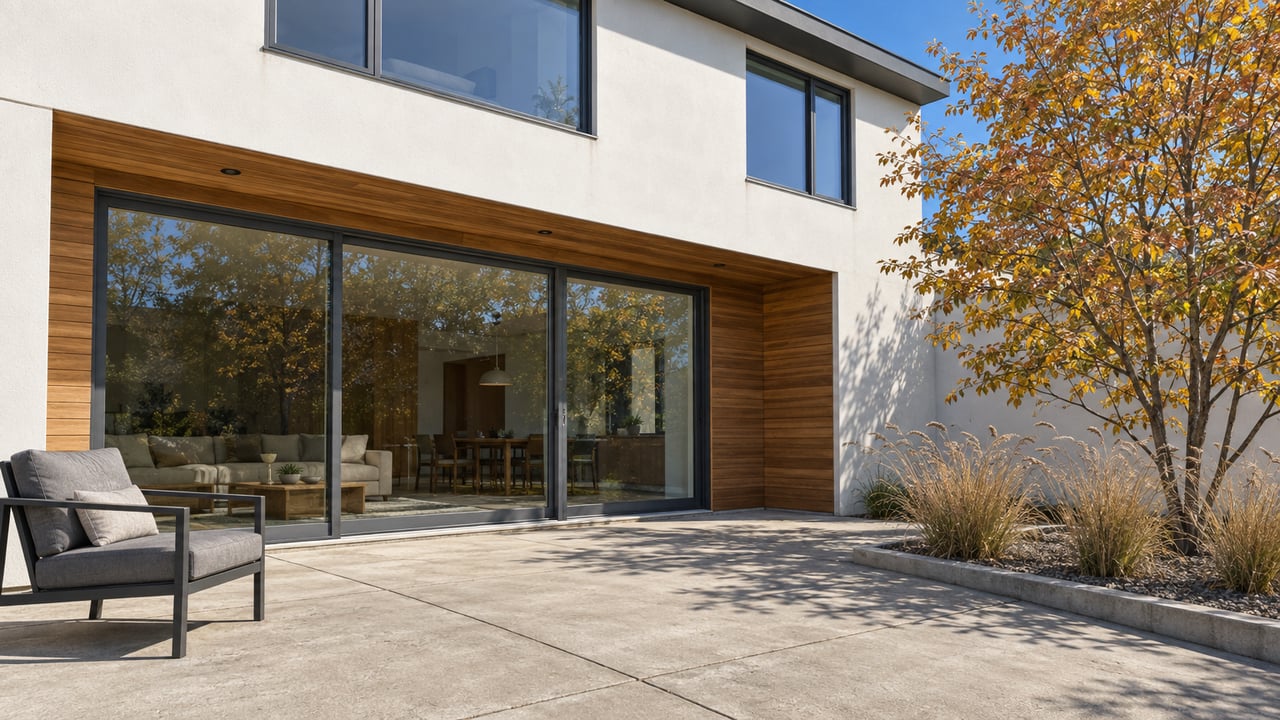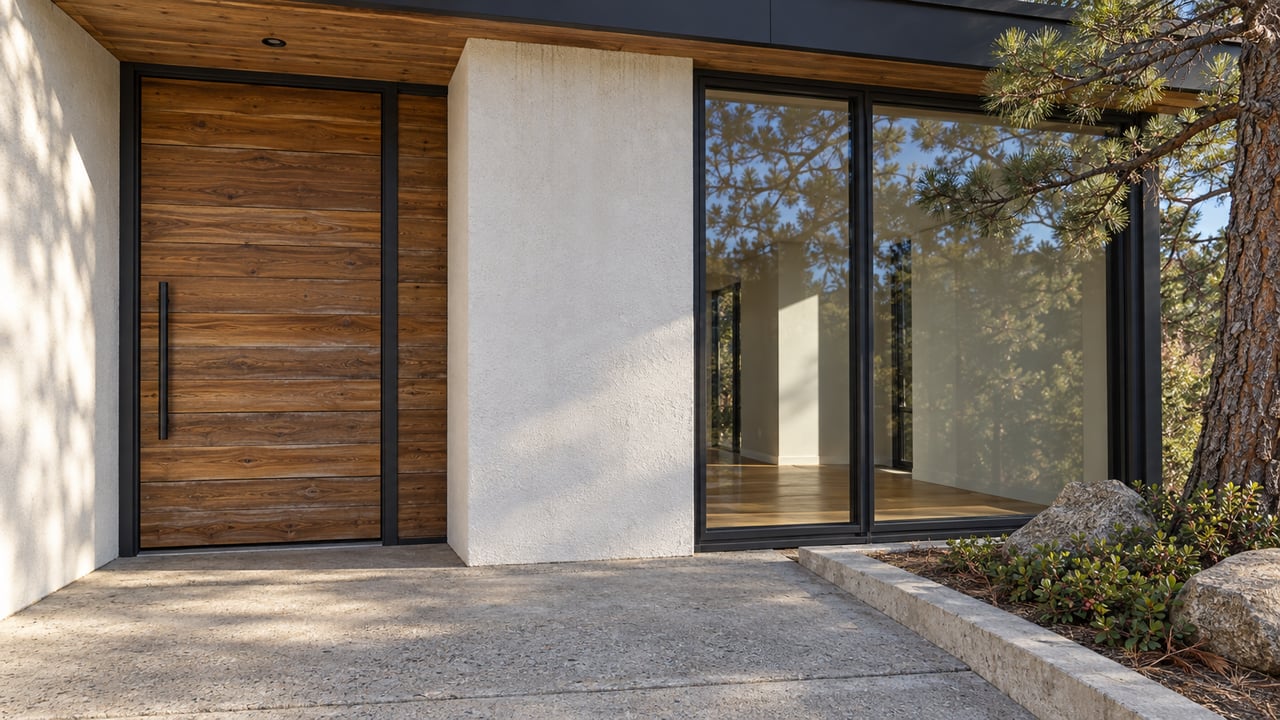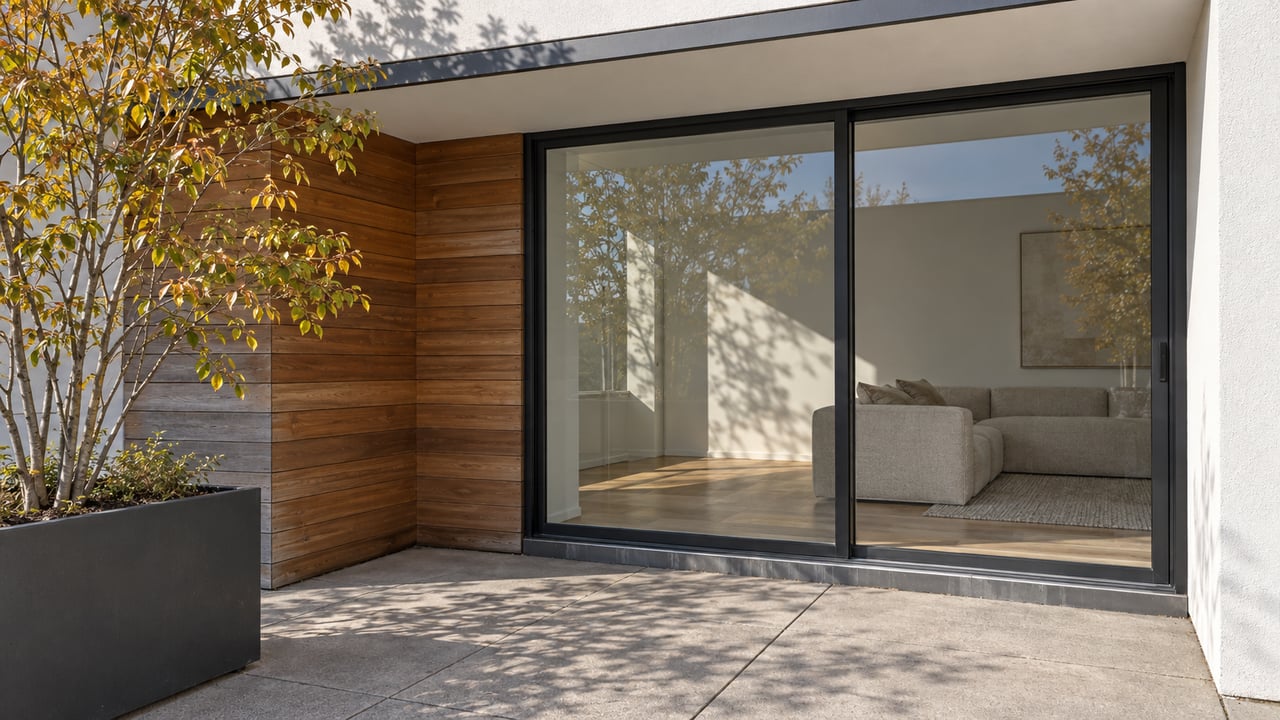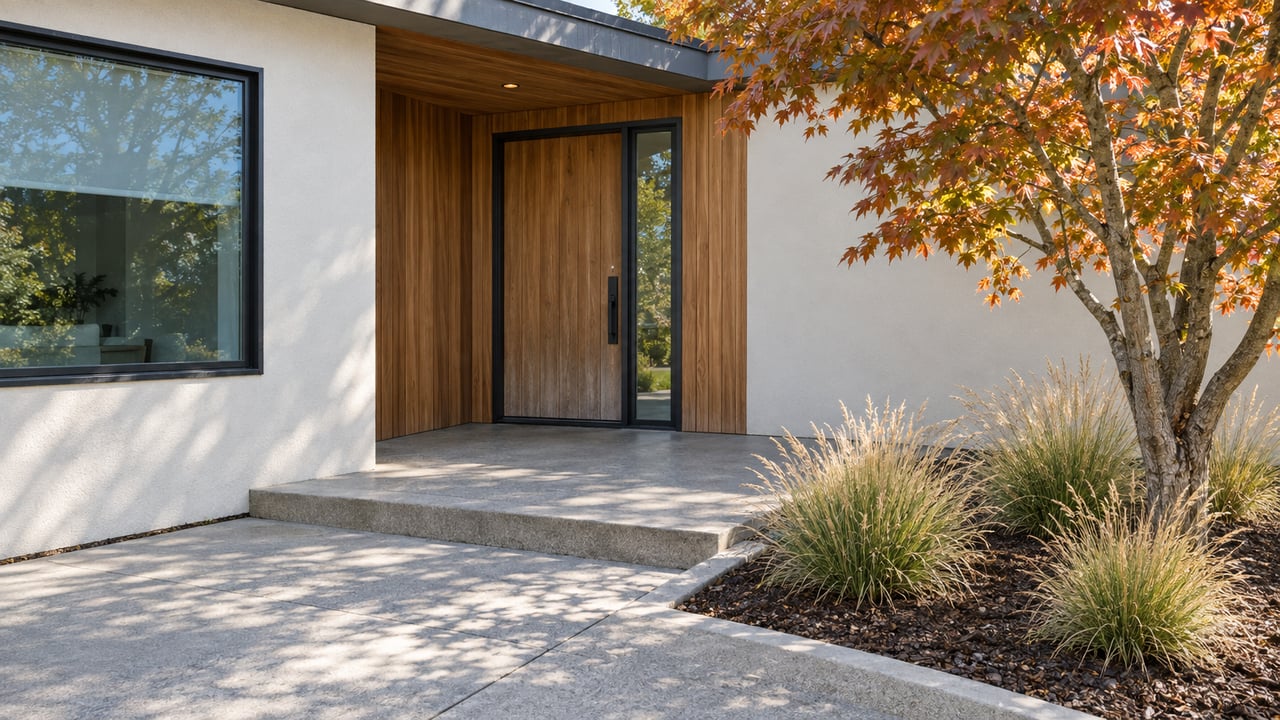
One street gives you leafy historic homes and an easy walk to dinner. Another gives you bigger views, more privacy, and a morning trailhead five minutes from your door. A useful boulder neighborhood comparison guide should make those differences feel clear, because in this market, choosing the right area is often just as important as choosing the right house.
For many buyers, the challenge is not whether Boulder offers a good lifestyle. It is which version of that lifestyle actually fits. Some neighborhoods feel established and elegant. Others feel more relaxed, more outdoors-driven, or more connected to downtown energy. If you are relocating, moving up, or considering a lifestyle change within town, the smartest approach is to compare neighborhoods through the lens of daily living, design character, and long-term value.
How to use this Boulder neighborhood comparison guide
Start with your real priorities, not just your wish list. Buyers often begin by focusing on square footage, views, or finish level, then realize later that school access, walkability, commute patterns, lot size, or neighborhood atmosphere matters just as much. The right home in the wrong setting can feel like a compromise very quickly.
It also helps to be honest about trade-offs. In Boulder, highly walkable areas may come with smaller lots, older homes, or a premium price per square foot. Homes with more privacy and dramatic natural surroundings may require more driving and can feel less connected to retail, dining, or schools. There is no universal best neighborhood here. There is only the one that best supports how you want to live.
Historic character or modern ease?
If you are drawn to architecture, charm, and a strong sense of place, Mapleton Hill and parts of Whittier often rise to the top. These neighborhoods appeal to buyers who love mature trees, classic homes, and proximity to central Boulder amenities. Mapleton Hill tends to feel especially timeless, with beautiful older residences, a prestigious reputation, and an established residential rhythm that many luxury buyers appreciate.
Whittier offers some of that same central convenience but often feels a bit more eclectic and approachable. For buyers who want personality over polish, that can be a real advantage. Depending on the specific property, you may find more variation in home style, updates, and lot configuration than in a more uniformly elevated neighborhood.
The trade-off is straightforward. Older homes can offer exceptional character, but they may also come with remodeling needs, tighter floor plans, or historic constraints. Buyers who value turnkey simplicity sometimes discover that a beautifully renovated property is worth waiting for, even if the price reflects that scarcity.
Downtown energy or quieter residential living?
Downtown appeals to buyers who want access woven into everyday life. Restaurants, shopping, cultural destinations, and a lively street scene are part of the experience. If you want to step out for coffee, meet friends for dinner without planning a drive, or enjoy a more lock-and-leave lifestyle, downtown-adjacent living can be very compelling.
That said, convenience changes the feel of home. Some buyers love the energy and accept smaller outdoor spaces, more activity, and less separation from commercial areas. Others quickly realize they want quiet evenings, a stronger neighborhood feel, and more breathing room around the house.
Whittier can be a nice middle ground for some of those buyers, offering central access with a more residential identity. It depends on whether your idea of convenience is walking everywhere or simply being close enough to get there in minutes.
Views, privacy, and a foothills lifestyle
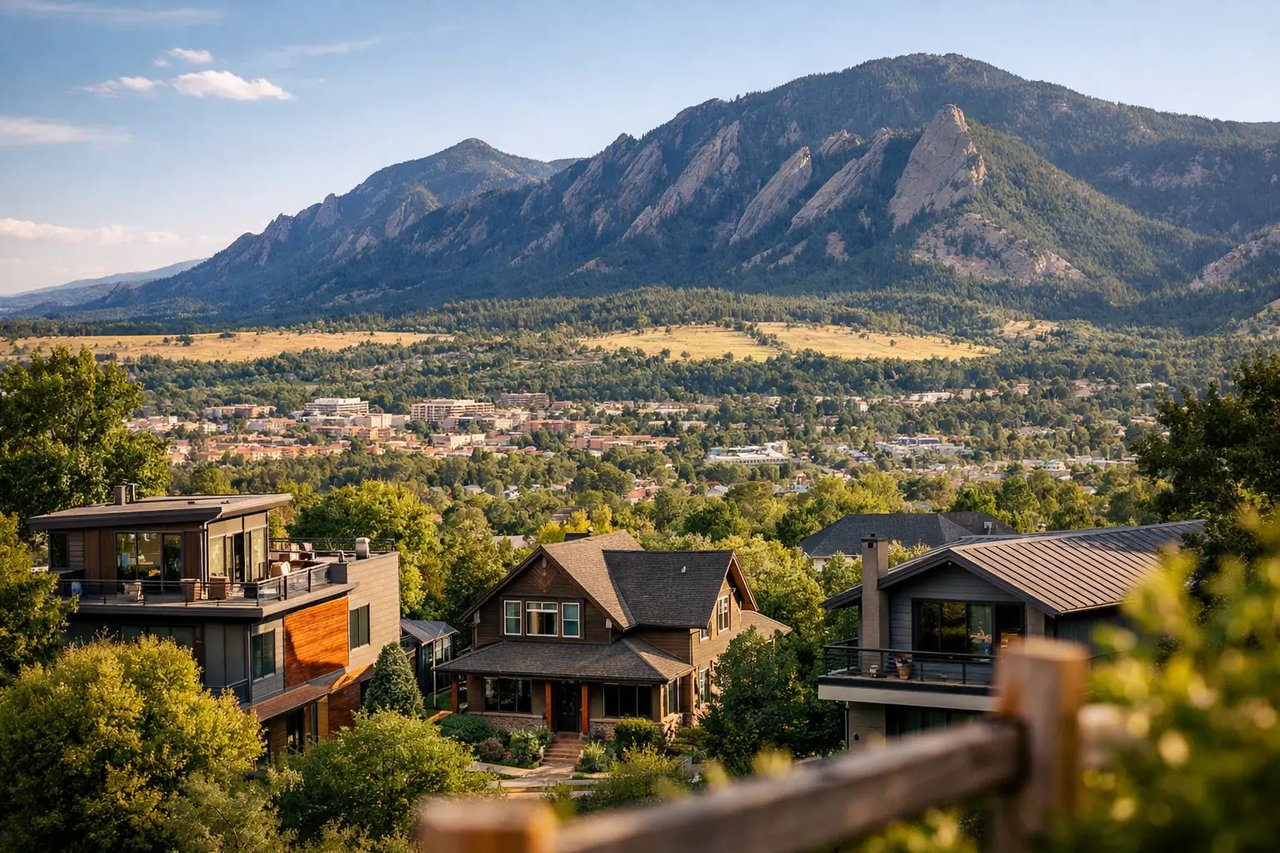
For buyers who imagine Boulder as a place defined by open space, hillside backdrops, and a little more distance from the center of town, Pine Brook Hill and Dakota Ridge-Northbriar deserve close attention. These areas speak to a different kind of luxury - one rooted in setting, quiet, and connection to the landscape.
Pine Brook Hill offers a more tucked-away feel, and that sense of retreat is exactly what some buyers want. The homes can feel highly individual, the surroundings more dramatic, and the daily experience more private. The trade-off is that weather, road access, and drive times deserve real consideration, especially for relocation clients who are still learning how topography affects routine.
Dakota Ridge-Northbriar often appeals to buyers who want views and trail access but still want a neighborhood structure and easier connection to the rest of town. It can feel balanced in a way that suits active households. You may get a stronger sense of openness and newer planning than in some of Boulder’s historic core neighborhoods, which is a plus for buyers who prefer a cleaner, more contemporary layout to both homes and streetscapes.
Family rhythms, schools, and everyday function
For many households, neighborhood fit comes down to what life looks like on a Tuesday. School logistics, biking routes, access to parks, ease of pickup and drop-off, and the ability for children to grow into the neighborhood all matter. A beautiful home does not work particularly well if the daily routine feels strained.
Wonderland Lake is often part of this conversation because it offers a lifestyle that feels distinctly Boulder while still providing a calm residential setting. Buyers are often drawn to the open space access, scenic surroundings, and neighborhood atmosphere. It tends to attract people who want an outdoors-oriented life without feeling removed.
Mapleton Hill can work beautifully for families too, particularly those who value centrality and historic homes, but family fit there may look different. Lot size, floor plan, and renovation quality become especially important if you need flexibility for guests, offices, or growing children. In some central neighborhoods, the right house matters even more than the right block because inventory varies so widely.
Home style matters more than people think
A neighborhood is not only about location. It is also about the kind of housing stock you are most likely to find there. That affects renovation budgets, maintenance expectations, design opportunities, and future resale.
Historic neighborhoods often attract buyers with a strong eye for architecture and finish detail. They can be deeply rewarding if you appreciate craftsmanship, layered interiors, and homes with a story. But they are not always ideal for buyers who want perfectly open floor plans, large mudrooms, or newer systems throughout.
In contrast, areas with more contemporary or updated homes may offer easier daily function, stronger indoor-outdoor flow, and less immediate work after closing. For some buyers, that practical ease is worth more than the romance of a classic facade. For others, design potential is part of the appeal, and they are willing to invest thoughtfully over time.
This is where a neighborhood comparison becomes more strategic. The same budget can buy very different experiences depending on whether you prioritize architectural pedigree, lot size, privacy, or turnkey condition.
Value is not just about price per square foot
In a high-value market, buyers understandably look at pricing closely. But neighborhood value is broader than what the last comparable sale suggests. You are also evaluating scarcity, desirability, lifestyle staying power, and how resilient demand is likely to be over time.
Mapleton Hill, for example, benefits from reputation, location, and limited supply. Downtown-adjacent properties can hold enduring appeal because convenience rarely goes out of style. Areas near open space often draw consistent interest because natural access is one of Boulder’s defining lifestyle assets.
Still, long-term value depends on fit. If you overbuy in a neighborhood that does not support how you live, the numbers may matter less than the day-to-day mismatch. The best purchase is often the home that aligns market strength with personal usability.
The smartest comparison is personal
A polished neighborhood can impress you immediately. A quieter one may win you over after two or three visits. That is why the best boulder neighborhood comparison guide is not really about ranking neighborhoods from best to worst. It is about matching each one to the buyer who will appreciate it most.
Some clients want a statement address, classic architecture, and the ability to entertain beautifully. Others want trail access, privacy, and a home that feels like a retreat. Others still want a walkable, connected lifestyle with enough flexibility to lock the door and travel often. Each of those goals can make perfect sense here, but they point to different parts of the market.
At Debby Caplin Real Estate, that matching process is where neighborhood expertise becomes most valuable. It is not simply about identifying inventory. It is about reading beyond the listing photos to understand how a home lives, how a neighborhood feels over time, and where design potential and market value genuinely meet.
If you are comparing neighborhoods, give yourself permission to look past the obvious filters. Pay attention to how each area supports your routines, your aesthetic, and the kind of life you want this move to create. The right neighborhood tends to feel less like a checkbox and more like a place that already knows how you live.