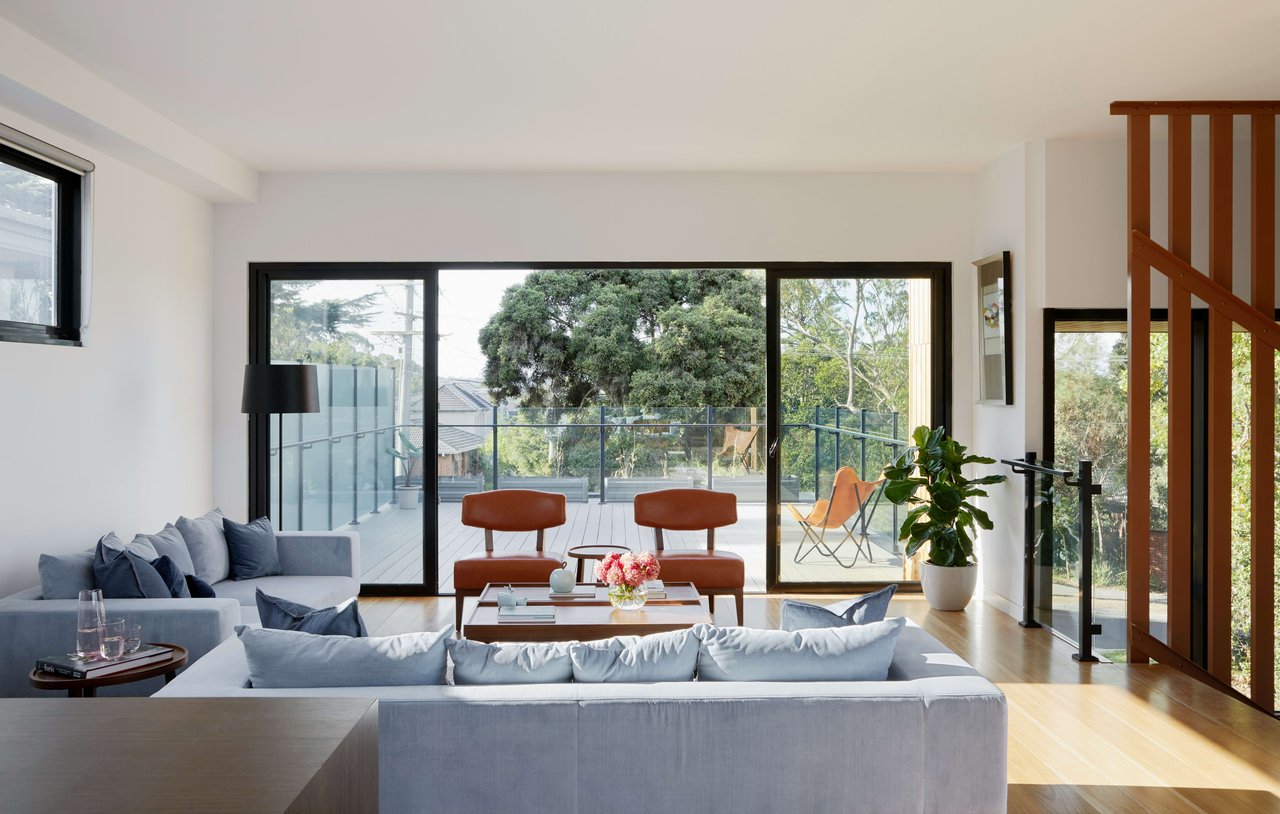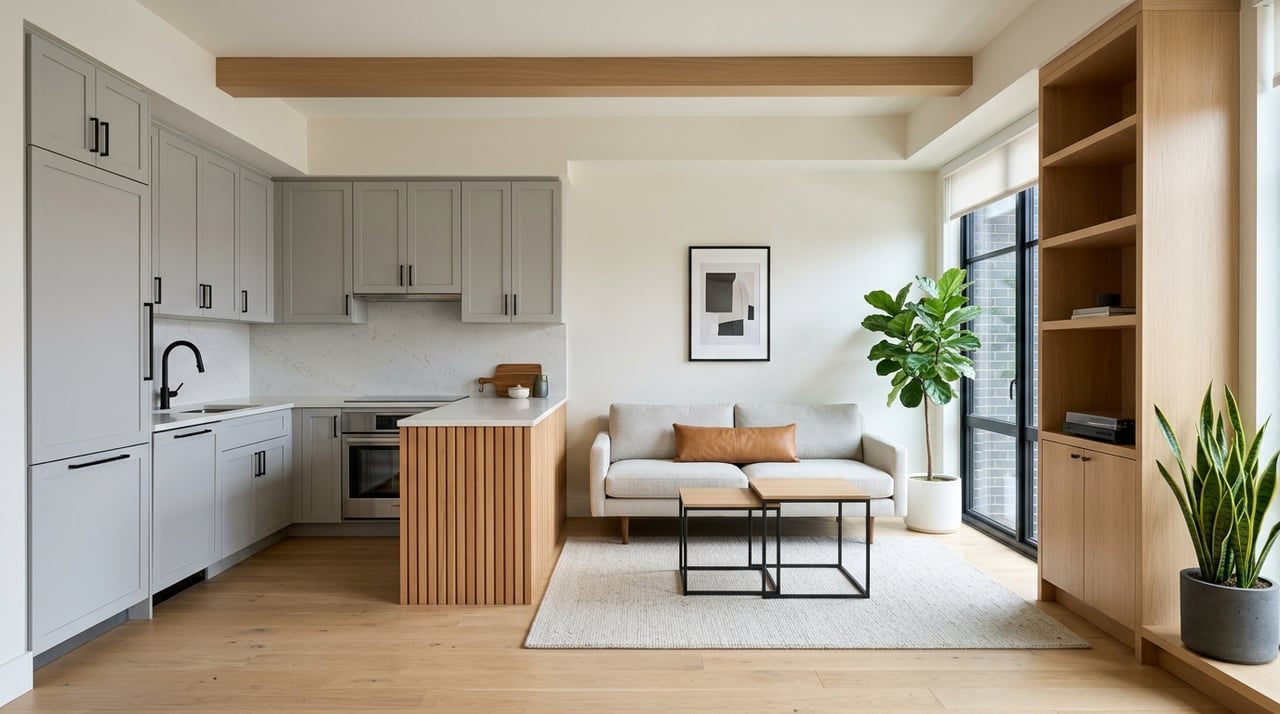
Small downtown condos can feel either effortlessly polished or frustratingly cramped, and the difference usually comes down to a few smart design choices. If you live in Downtown Boulder, you are often balancing great walkability and character with tighter square footage, tricky layouts, and shared-building rules. The good news is that you do not need a massive renovation to make a compact home work harder and look better. With the right mix of layout planning, light control, and integrated storage, your condo can feel calm, refined, and distinctly urban. Let’s dive in.
Start With the Downtown Boulder Context
Downtown Boulder is a lively, mixed-use, pedestrian-oriented area where people live, work, and shop. The city also identifies downtown as a local landmark area and part of the National Register of Historic Districts. That setting naturally supports interiors that feel streamlined, design-forward, and uncluttered rather than oversized or overly traditional.
In a small downtown condo, the goal is usually not to fit in more pieces. It is to make the space feel more intentional. Clean lines, scaled furnishings, and visually quiet storage often suit this kind of home better than heavy furniture or too many competing finishes.
Keep Layouts Open and Easy
Protect sightlines
One of the fastest ways to improve a small condo is to keep clear sightlines across the room. Bulky furniture placed in the middle of the floor can make the space feel blocked and smaller than it is. A more open arrangement lets your eye travel farther, which helps the condo feel lighter and less crowded.
Try to anchor seating along walls or at the perimeter when possible. That simple shift can improve circulation and make the main living area feel more useful day to day.
Scale furniture to the room
Furniture should support the room, not dominate it. In a compact Downtown Boulder condo, a smaller sofa, narrower console, or round dining table may work better than standard oversized pieces. Choosing the right scale helps you preserve movement paths while keeping the room functional.
This is also where restraint matters. A few well-sized pieces usually create a more elevated look than trying to fit every possible function into one space.
Use pathways as a design tool
Open pathways are not just practical. They help the whole home read as calmer and more polished. If you can move easily from the entry to the kitchen, living area, and windows, the condo will usually feel larger.
Look for places where a chair, bench, or side table may be interrupting flow. Editing even one or two items can have a big visual payoff.
Let Natural Light Shape the Room
Arrange furniture around window orientation
Not all light behaves the same way, and that matters in a downtown condo. North-facing windows tend to bring in more even, lower-glare light, while south-facing windows can bring welcome winter sun but may need shading. East- and west-facing windows can create stronger glare and more summer heat gain.
That means furniture placement should respond to the window exposure in your unit. A desk may work well near softer north light, while a seating area by west-facing glass may benefit from better shade control during the afternoon.
Choose shades that work hard
Window coverings should be part of the design plan, not an afterthought. Tight-fitting insulating shades can help reduce heat loss, and curtains can be especially useful on south- and west-facing windows. In smaller homes, roller shades and Roman shades are often practical because they manage privacy and sun without adding visual bulk.
This is one of the easiest ways to make a condo feel more finished. It also improves comfort, which matters just as much as style.
Use light finishes to amplify daylight
Light-colored surfaces can help daylight spread more evenly through a compact home. A light ceiling can diffuse incoming light without creating much glare, and mirrors or reflective surfaces can help bounce that light deeper into the room. Lighter furnishings can also keep the overall look open.
You do not need an all-white interior to get this effect. Even a controlled palette of warm neutrals, pale woods, and a few reflective accents can make a small condo feel brighter and more expansive.
Build Storage Into the Design
Choose built-ins over add-ons
Built-ins are one of the strongest tools in a smaller home. Bookcases, media shelving, and compact workspaces can make a room more functional while keeping the look integrated. In a downtown condo, that built-in feeling often reads as more custom and more refined than a collection of separate storage pieces.
The key is visual simplicity. Storage that blends into the architecture usually helps the room feel larger than freestanding pieces that add edges, gaps, and clutter.
Make closets more efficient
In small condos, closet organization matters as much as closet size. Prefabricated closet systems can help you use vertical space better, and sliding closet doors can save floor area because they do not need the swing clearance of a hinged door. Pull-down shelving and layered wall-cabinet storage can also improve access and capacity.
When storage works well behind the scenes, the rest of the condo feels calmer. That is often what gives a compact home its polished feel.
Keep kitchen and bath storage quiet
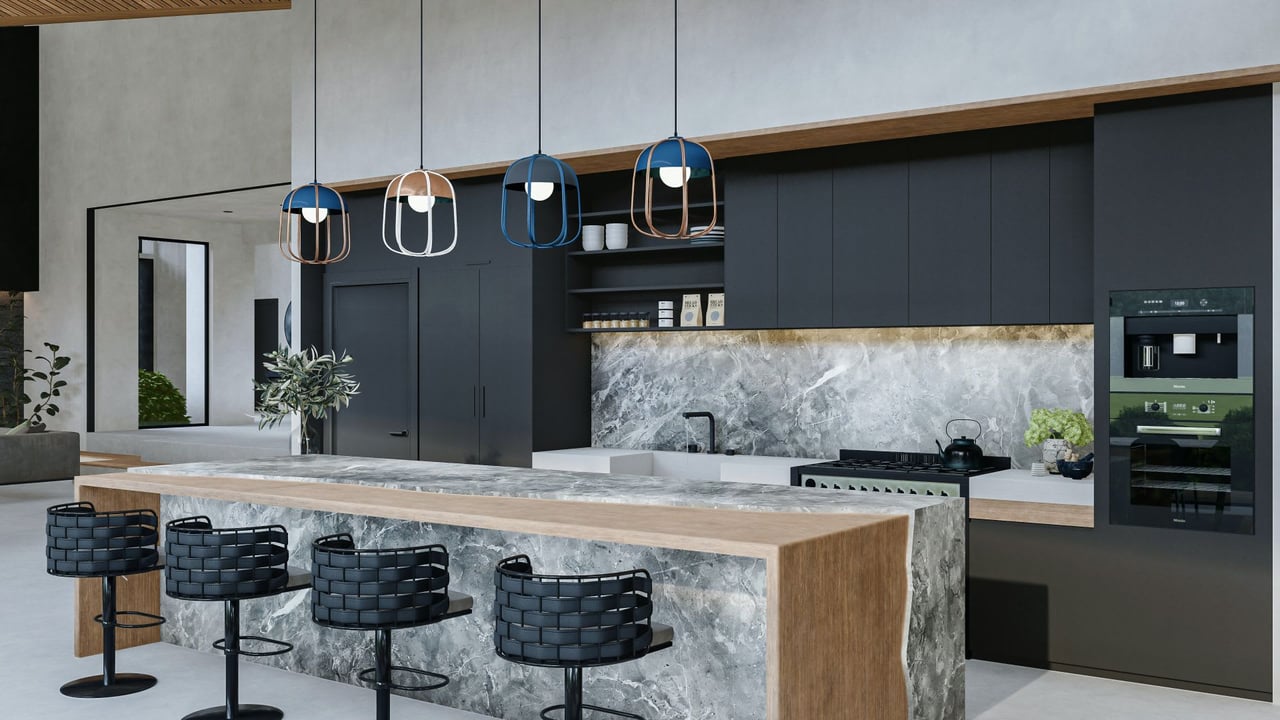
Compact kitchens and baths benefit from storage that disappears visually. Full-height pantry panels, under-bench drawers, and recessed shower niches can help you store more while keeping counters and ledges cleaner. In a smaller footprint, that reduction in visual noise can make a big difference.
A tiled wall niche in a bath is especially useful because it adds storage without asking for more floor space. It is a small move that can make the room feel sharper and more intentional.
Consider pocket or sliding doors
When the layout is tight, a pocket door or another sliding-door solution can free up usable square footage by removing the swing path of a standard door. That can be helpful for bathrooms, closets, laundry areas, or flexible office nooks. The wall conditions need to allow for it, but where feasible, it is a smart space-saving move.
Use Finishes to Make the Condo Feel Bigger
Keep flooring consistent
Continuous flooring through the main living zone can make a small condo feel more cohesive. When the eye does not stop at multiple material changes, the home often reads as larger and calmer. This is especially helpful in open-plan condos where the kitchen, dining, and living areas share one visual field.
If you are updating finishes, this is one of the highest-impact choices you can make. It is subtle, but it changes how the whole space feels.
Favor a restrained material palette
A smaller downtown home usually benefits from fewer competing materials and colors. That does not mean the space has to feel plain. It means each finish should earn its place and contribute to a clear overall look.
A limited palette of light flooring, simple cabinetry, and clean surfaces often feels more sophisticated in a condo setting. It also complements Downtown Boulder’s urban, walkable character.
Add vertical and reflective elements
Vertical elements can help draw the eye upward, which makes a room feel taller. Mirrors can help expand the sense of space and improve light distribution. Used carefully, these features add openness without requiring any additional square footage.
The best results usually come from moderation. One well-placed mirror or a tall shelving element can do more than several smaller decorative pieces.
Think Carefully About Dark Areas
Some condos have interior bathrooms or hallways with little natural light. In a remodel, a tubular skylight can be a useful option for small, dark spaces such as a windowless bath or an interior hall. In a condo building, though, this type of improvement may require building approval and permit review.
That is why planning matters early. If a project touches the roof, structure, or shared building systems, it is wise to confirm what is allowed before getting too far into design decisions.
Know What May Need Approval
HOA approval matters
Condo owners should verify association rules before making changes that affect shared components or the appearance of common elements. Under Colorado’s Common Interest Ownership Act, a unit owner may not change the appearance of common elements without association permission. That can be relevant for items such as windows, balconies, or other visible exterior-facing features.
Even if a change seems small, it is worth checking first. Approval requirements can affect cost, timing, and the scope of your project.
City review may also apply
In Boulder, permits are required when structural work is involved, and multi-family permit applications include condominiums. If your property is in the downtown historic district or is individually landmarked, exterior changes may be subject to additional design review to preserve historic character. This is especially important for updates involving facades, windows, balconies, or other visible exterior elements.
Interior cosmetic updates are generally a different category, but once work affects structure or the building exterior, the review path can change. Confirming the rules early helps you avoid delays.
Focus on High-Payoff Updates
If you want the biggest visual return in a small Downtown Boulder condo, focus on the moves that improve openness and reduce visual clutter.
Consider prioritizing:
- Keeping primary pathways open
- Using furniture scaled to the room
- Improving light control with well-chosen shades
- Continuing flooring across the main living area
- Adding built-in storage where possible
- Simplifying kitchen and bath storage details
- Using lighter, more reflective finishes strategically
These updates tend to work together. Instead of one dramatic fix, you create a series of small improvements that make the entire condo feel more intentional.
A small home can absolutely feel elevated. In many Downtown Boulder condos, the best design is not about doing more. It is about editing well, respecting the building, and making every square foot work harder. If you are weighing updates before a sale or trying to see the potential in a condo you want to buy, Debby Caplin Real Estate dba Bolder By Design brings a design-led perspective to help you make smart, market-aware decisions.
FAQs
What design updates help a small Downtown Boulder condo feel bigger?
- The biggest visual wins usually come from open pathways, better light control, continuous flooring, built-in storage, and furniture scaled to the room.
What condo changes in Downtown Boulder may need approval?
- Changes involving common elements, exterior appearance, structural work, or historic district features may require HOA approval, city permits, or historic review.
What window treatments work well in a small downtown condo?
- Roller shades, Roman shades, insulating shades, and well-placed curtains can help control privacy, glare, and heat without adding much visual bulk.
What storage ideas work best in a compact Boulder condo?
- Built-in shelving, closet systems, sliding closet doors, recessed shower niches, full-height pantry storage, and under-bench drawers are all strong options for compact spaces.
Can a dark condo hallway or interior bathroom get more natural light?
- In some remodels, a tubular skylight can help brighten a small dark hall or windowless bathroom, though condo approvals and permit review may be needed.
What design style suits Downtown Boulder condos?
- Many small Downtown Boulder condos benefit from a clean, urban look with restrained finishes, integrated storage, and layouts that support easy movement and daylight.