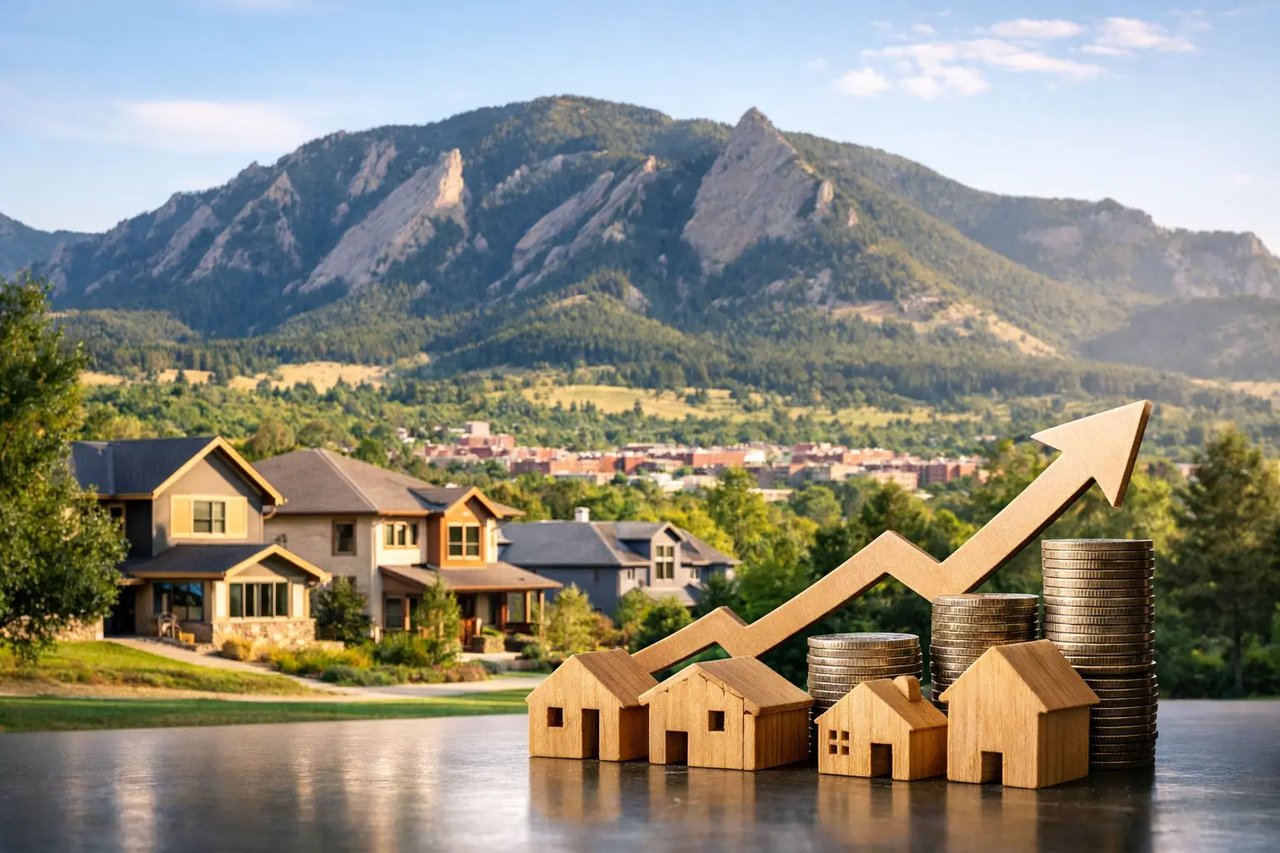
A well-priced home in Boulder can still draw immediate interest, but the frenzy that once defined nearly every listing has eased. That is the real story behind boulder housing market trends right now: demand remains strong, supply is still limited by national standards, and yet buyers and sellers are operating with more discernment than they did a few years ago.
For anyone planning a move, that distinction matters. This is no longer a market where broad assumptions work well. The gap between an exceptional property and an average one has widened, and pricing strategy, presentation, and neighborhood fit all carry more weight than they did in a pure momentum market.
What boulder housing market trends are really showing
The headline numbers only tell part of the story. Yes, Boulder continues to benefit from constrained inventory, enduring lifestyle appeal, and a buyer pool with significant purchasing power. But the market is behaving in a more selective way, especially at higher price points.
Homes that feel turnkey, thoughtfully updated, and aligned with what buyers want today often perform very well. Properties with dated finishes, compromised floor plans, or pricing that assumes 2021 conditions can sit longer and invite negotiation. In other words, the market is active, but it is not indiscriminate.
That selectivity is especially noticeable in a place where architecture, views, walkability, and design quality can vary dramatically from one block to the next. A Mapleton Hill historic home, a sleek Downtown condo, and a foothills property in Pine Brook Hill may all appeal to affluent buyers, but they attract different priorities and different tolerance for maintenance, access, privacy, and renovation.
Prices are still elevated, but price growth is more nuanced
Boulder remains one of Colorado's most desirable and expensive residential markets. That has not changed. What has changed is the pace and pattern of appreciation.
Instead of broad, rapid gains across almost every segment, price movement now tends to be more property-specific. Updated homes in prime locations often command strong premiums. Houses that offer indoor-outdoor living, flexible work-from-home space, energy efficiency, and polished finishes continue to stand out. Buyers are willing to pay for homes that feel complete.
At the same time, higher borrowing costs have affected the psychology of even well-qualified buyers. Many still have the means to purchase, but they are more deliberate about value. That does not necessarily mean low offers. It means sharper analysis. Buyers are asking whether a home's pricing reflects current condition, future improvement costs, and resale potential in that specific neighborhood.
For sellers, this creates a more refined pricing environment. Aspirational pricing can still work if the home is rare enough. More often, though, overpricing leads to longer days on market and weaker leverage later.
Inventory has improved in some segments, but not evenly
One of the biggest shifts in recent years has been the gradual return of inventory. That sounds simple, but the impact depends on price point and property type.
Entry-level single-family opportunities remain tight by local standards, which keeps competition elevated for buyers trying to secure a foothold in Boulder. In the mid-range and upper-mid-range market, there is often more choice than there was during the peak frenzy, giving buyers room to compare options and negotiate inspection items or price adjustments when a listing has been sitting.
Luxury inventory behaves differently. In that segment, scarcity still matters, but buyers are exceptionally selective. A high-end home that feels truly special can move quickly. A luxury property that misses the mark on design, flow, or pricing may linger because the buyer pool is smaller and less forgiving.
This is where hyperlocal analysis becomes essential. Inventory conditions in Wonderland Lake do not always mirror what is happening in Whittier or Dakota Ridge-Northbriar. Even within the same price band, lot size, view corridor, school proximity, and architectural style can shape buyer demand in very different ways.
Buyers have gained some leverage, but only in the right situations
It would be a mistake to call Boulder a buyer's market in any broad sense. It is better described as a more balanced and strategic market than it was during the height of bidding wars.
Buyers today often have more time to evaluate a property, complete due diligence, and negotiate terms when a home is overpriced or lacks broad appeal. Contingencies are more common than they were in ultra-competitive conditions, and sellers may be more open to inspection credits, closing cost concessions, or realistic repairs.
Still, leverage depends on the house. If a property is in a top neighborhood, well designed, move-in ready, and priced appropriately, competition can return quickly. The most desirable homes continue to remind everyone that Boulder is still a supply-constrained market with a deep bench of motivated buyers.
For relocation clients and move-up buyers, this creates both opportunity and pressure. You may have more room to negotiate than buyers did a few years ago, but you still need to act decisively when the right home appears.
Sellers need precision, not just optimism
The most successful sellers in this market are not simply listing a home and waiting for Boulder demand to do the work. They are preparing thoughtfully and positioning the property to compete.
That starts with pricing, but it does not end there. In a market where buyers are making finer distinctions, presentation matters. Design choices, paint color, lighting, furnishings, landscaping, and deferred maintenance can all influence how quickly a home sells and how strong the final terms are.
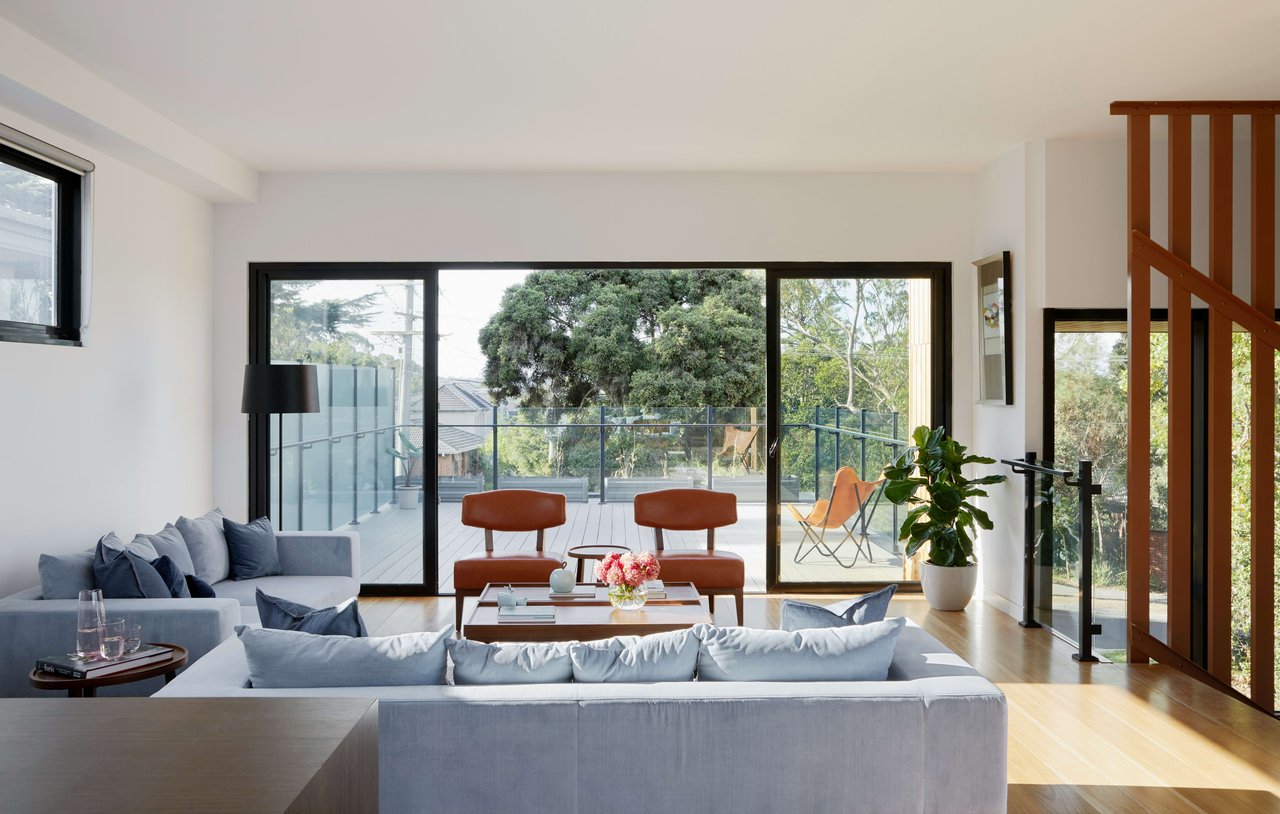
This is particularly true in Boulder, where many buyers are purchasing a lifestyle as much as a structure. They are responding to natural light, connection to the outdoors, privacy, entertaining flow, and the overall feeling of the home. A property that photographs beautifully but feels disjointed in person can disappoint. A home that is carefully edited, warm, and architecturally coherent tends to build confidence.
For higher-end listings, strategy becomes even more exacting. Luxury buyers expect quality, but they also expect justification. If the home is priced at a premium, every detail from finish level to floor plan should support that number.
Neighborhood trends matter more than citywide averages
Citywide averages can be useful, but they often flatten the most important nuances. Boulder is a collection of very distinct micro-markets.
Downtown and adjacent walkable neighborhoods tend to attract buyers who prioritize access to dining, culture, and an active urban lifestyle. Mapleton Hill carries prestige, historic character, and enduring appeal, but buyers there also understand the trade-offs that can come with older homes. Pine Brook Hill offers privacy, views, and a foothill setting that feels exceptional, though access and weather considerations matter more. In family-oriented areas like Wonderland Lake or parts of North Boulder, usability, schools, parks, and lot functionality can be major drivers.
These differences shape value in ways broad reports cannot fully capture. Two homes with similar square footage may perform very differently depending on their setting, updates, and how well they align with the expectations of buyers targeting that neighborhood.
Design and condition are playing a larger role in value
One of the clearest boulder housing market trends is the premium attached to homes that feel current without feeling generic. Buyers in this market tend to appreciate quality materials, thoughtful remodeling, and design choices that suit the architecture of the home.
That does not mean every seller needs a major renovation. In fact, some projects do not return what owners expect. But cosmetic drift, outdated kitchens, worn flooring, and inconsistent finishes can have an outsized effect when buyers are already stretching on price and financing. They are more likely to discount heavily for work they do not want to take on.
This is where strategic preparation pays off. Sometimes a focused pre-listing plan with selective updates and stronger styling creates more value than an expensive full remodel. The right advice is rarely one-size-fits-all.
What to watch over the next year
Assuming interest rates remain higher than the ultra-low era, Boulder is likely to continue in this more measured pattern. Demand should stay supported by limited buildable land, strong lifestyle appeal, and a steady stream of buyers who want access to the foothills, trails, schools, and quality of life the area offers.
That said, a measured market does not mean a weak one. It means outcomes are likely to depend more on execution. Buyers who understand neighborhood differences and act with clarity should find better opportunities than they would have during peak chaos. Sellers who price intelligently and present their homes beautifully should still be well positioned.
If you are considering a move, the smartest first step is not to chase headlines. It is to understand how your price range, timing, and neighborhood goals fit the market that actually exists right now. A local, high-touch advisor with both market insight and a design eye can make that process far more strategic and far less stressful.
The people who do best in Boulder are usually the ones who move with intention, not urgency.