A luxury home rarely sells because it is simply beautiful. It sells because every detail tells a clear story about value, condition, and lifestyle. If you're wondering how to prepare a luxury home for sale, the goal is not to make it look expensive. The goal is to make it feel exceptional, effortless, and worth the price from the moment a buyer arrives.
That takes more than tidying up and scheduling photos. In the upper end of the market, buyers notice proportion, flow, lighting, materials, privacy, and maintenance standards. They also compare your home against a smaller pool of highly polished properties, which means presentation has to be intentional.
How to prepare a luxury home for sale starts with positioning
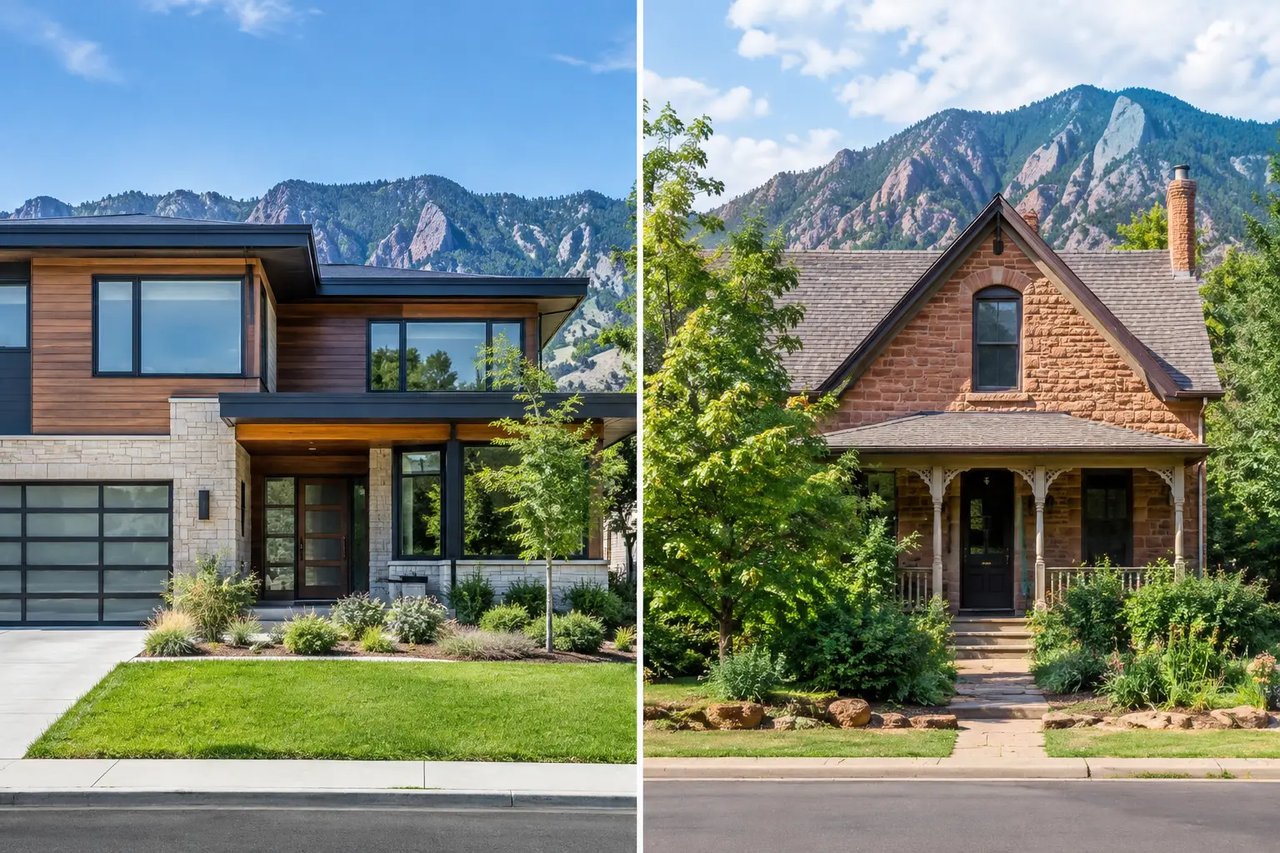
Before paint colors, accessories, or landscaping, start with strategy. Luxury buyers are not all looking for the same thing. Some want architectural significance. Others care most about views, privacy, wellness features, or a turnkey interior. A downtown penthouse, a Mapleton Hill historic property, and a modern home near open space should not be prepared the same way because they are not competing on the same terms.
This is where thoughtful positioning matters. You want to identify what makes the property most compelling and then make every visual and practical choice support that strength. If the home has dramatic Flatirons views, the interiors should never compete with them. If the home has a remarkable chef's kitchen, the surrounding rooms need to feel equally elevated so the kitchen does not carry the entire showing.
Preparation is most effective when it is selective. Doing everything is expensive. Doing the right things is profitable.
Start with condition, not decor
Luxury buyers tend to assume that a premium home has been well cared for. When they notice deferred maintenance, that assumption disappears quickly. A dripping outdoor fountain, sticky sliding door, cracked tile, scuffed baseboards, or inconsistent grout line may seem minor on its own. Together, those details suggest a property that has not been kept to the standard its price demands.
Begin with a full pre-listing review of the home as if you were the buyer. Walk the property slowly, inside and out. Open doors, test lighting, inspect hardware, check paint touchups, examine stone surfaces, and look carefully at windows. In higher price points, buyers often pay attention to the feel of the home as much as the look of it.
Some sellers benefit from a pre-inspection or targeted contractor walkthrough before listing. That does not mean fixing every single item. It means understanding where buyers may hesitate and deciding which issues are worth addressing in advance. A roof certification, HVAC servicing, or masonry repair can be more valuable than a cosmetic upgrade that photographs well but adds little confidence.
The updates that usually matter most
In most luxury homes, buyers respond best to improvements that make the property feel current, calm, and meticulously maintained. Fresh interior paint in the right tone can do more than a major remodel if the existing finishes are high quality. Refinishing hardwood floors, updating dated light fixtures, replacing worn carpeting in secondary spaces, and improving landscaping often produce a stronger return than highly personal renovations.
The trade-off is timing and scope. If a kitchen or bath is visibly dated, a full renovation may not make sense before a sale, especially if the next owner will have their own vision. In that case, the better move may be to edit the space carefully, improve lighting, replace select hardware, and present the room as clean, functional, and full of potential rather than over-improved for the wrong buyer.
Design for the buyer you want
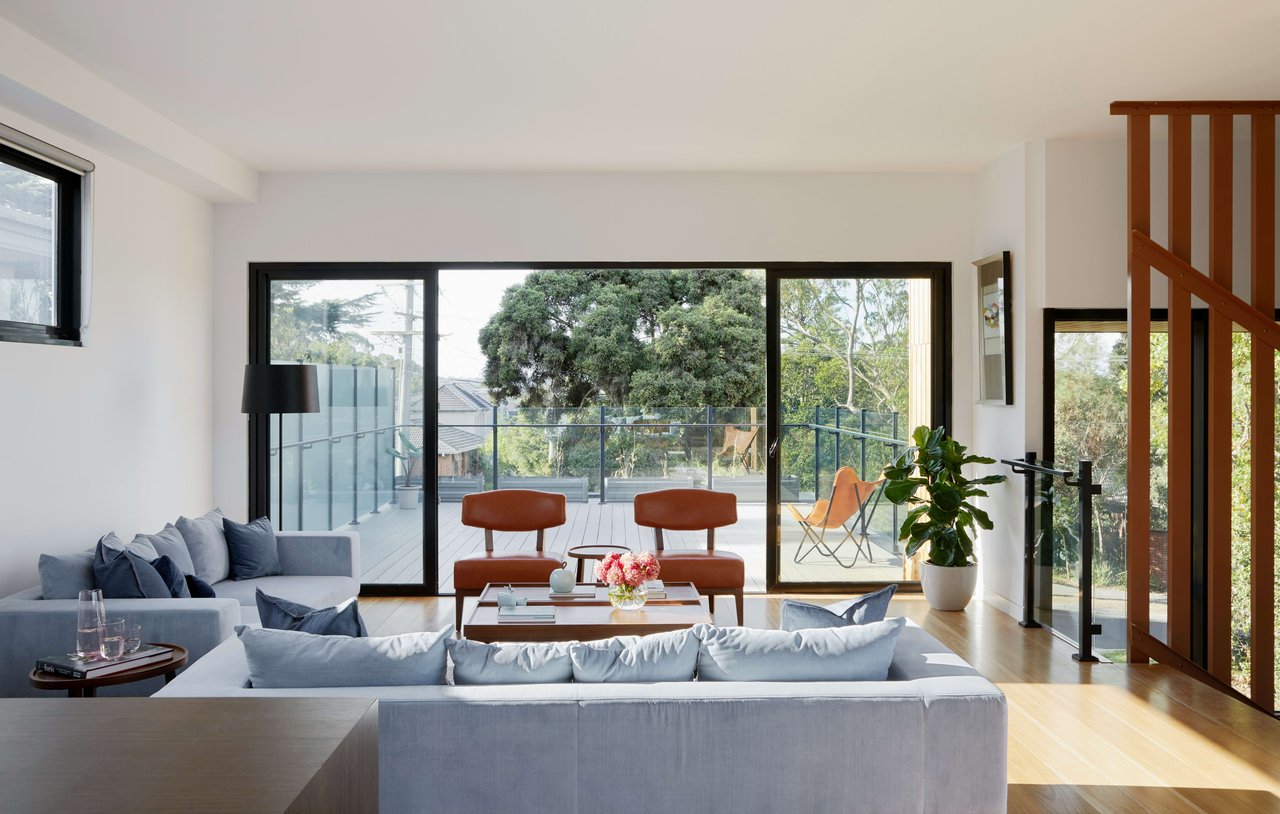
Luxury staging is not about filling a house with expensive furniture. It is about editing the home so buyers can see its scale, architecture, and lifestyle appeal immediately. In many cases, restraint is what creates the strongest impression.
Rooms should feel composed, not crowded. Artwork should support the home rather than dominate it. Textiles should add softness and depth without introducing visual noise. If a home already has beautiful bones, staging should underscore them. If the architecture is simpler, staging can help create warmth and definition.
This is especially important in homes with custom details. Built-ins, fireplaces, statement windows, wine rooms, spa baths, and outdoor entertaining areas all need context. Buyers should understand how the home lives within seconds of entering each space.
Decluttering at the luxury level looks different
In a luxury property, clutter is not just stacks of paper and overfilled closets. It can also be oversized furniture, too many decorative objects, family photos that personalize every room, or collections that distract from architectural features. Editing matters because affluent buyers are often purchasing a feeling as much as a floor plan.
Storage spaces should be simplified as well. Walk-in closets, pantries, garages, and mudrooms need to suggest order and capacity. If a buyer opens a custom closet and sees it packed tight, the message is not abundance. It is limitation.
Light, scent, and sound shape the showing experience
The sensory side of showing a home is often underestimated. Luxury buyers notice atmosphere right away, even if they do not name it directly. Natural light should be maximized with clean windows, properly adjusted window coverings, and thoughtfully selected bulbs where needed. Dark corners and mismatched color temperatures can make a sophisticated home feel flat.
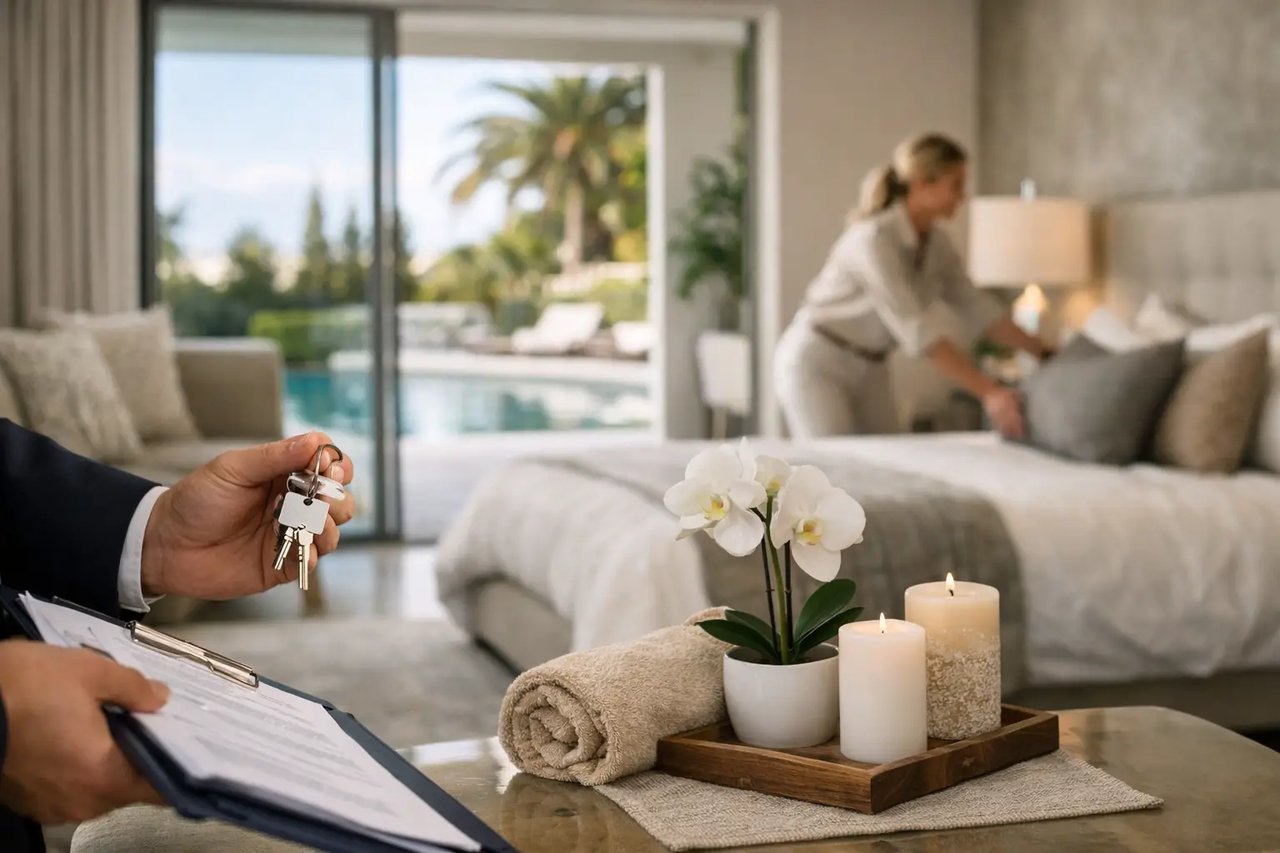
Scent deserves the same level of attention. The ideal standard is neutral and fresh. Heavy candles, diffuser oils, or kitchen smells can work against you because buyers interpret them as an attempt to cover something. Clean air, subtle linens, and a just-prepared feel are more effective.
Sound also matters. If the property has water features, outdoor living areas, or privacy buffers, those should feel peaceful and intentional. On busier streets, timing showings to minimize traffic noise can help. If a house depends on indoor serenity, make sure mechanical systems are quiet and unobtrusive.
Photography should reflect reality at its best
Once the home is prepared, marketing assets need to capture it with accuracy and polish. In the luxury market, weak photography can reduce perceived value before a buyer ever schedules a showing. At the same time, overly edited imagery creates disappointment in person.
Professional photography, video, floor plans, and in some cases drone imagery should be planned around the home's strongest moments. Morning light, evening glow, mountain views, and mature landscaping all change by time of day and season. The best visual presentation is not generic. It is tailored.
A well-prepared home also allows for better storytelling in marketing. Instead of relying on broad language like "stunning" or "one-of-a-kind," the property can communicate quality through visible details buyers trust - slab materials, custom millwork, indoor-outdoor flow, wellness amenities, guest accommodations, and site placement.
Pricing is part of preparation
One of the most overlooked parts of how to prepare a luxury home for sale is aligning presentation with pricing from the start. If a home is prepared like a top-tier offering but priced beyond what buyers see in the market, the result is often hesitation rather than excitement. If it is priced too low without the right strategy, sellers may leave value on the table or attract the wrong buyer pool.
Luxury pricing takes nuance because comparable sales are often limited and no two homes are exactly alike. Location, lot quality, views, finish level, and provenance can shift value significantly. In Boulder, for example, a home's relationship to trails, privacy, or iconic views may influence demand in ways that do not show up neatly in raw square-foot pricing.
The strongest launch happens when pricing, condition, and marketing all reinforce the same message. Buyers should feel that the home knows exactly what it is.
How to prepare a luxury home for sale without overdoing it
There is a point where preparation stops adding value and starts becoming too personal, too expensive, or too late. Not every seller needs a full cosmetic reset. Some homes need careful editing and a few strategic improvements. Others need more substantial work to compete. The difference depends on the property, the likely buyer, and the market moment.
That is why seller preparation works best as a guided process, not a checklist copied from a standard home sale. A refined property deserves a refined plan. The right advice can help you decide what to update, what to leave alone, and how to present the home in a way that feels elevated but believable.
When a luxury home comes to market well prepared, buyers feel it right away. They sense care, clarity, and confidence. And that feeling is often what turns interest into action.
If you're thinking about selling, the most useful first step is not guessing which projects to start. It is getting clear, tailored guidance on what will actually move the needle for your home and your goals.