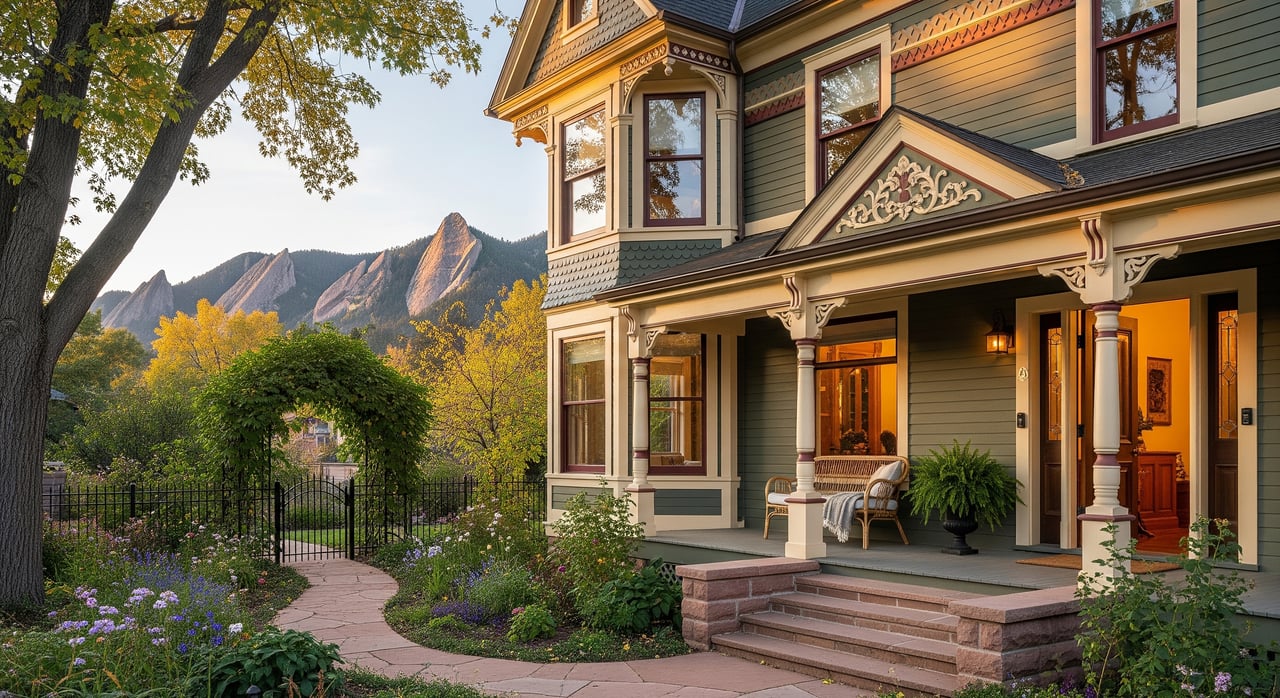
If you own a Mapleton Hill original, you know the charm is real: wide front porches, tall windows, detailed trim, and storybook trees. When it is time to sell, you want top dollar without risking what makes your home special. This guide walks you through what to check, what to fix, and how to present your home so buyers fall in love with both the history and the condition. You will get a clear plan for regulations, inspections, improvements, staging, marketing, and timing. Let’s dive in.
Know your designation and rules
Before you plan any work, confirm your home’s historic status. In Mapleton Hill, a property can be an individually designated local landmark, within a local historic district, listed on the National Register, or not designated at all. Each status carries different requirements for exterior changes and permitting.
Start by contacting the City of Boulder Historic Preservation team to verify designation, view district maps, and understand review timelines. If you are considering exterior changes, the city can explain when you need review or permits and what is typically approved. Use the Secretary of the Interior’s Standards for Rehabilitation as your north star for sensitive work that maintains character while allowing updates. If you want to explore incentives, check with History Colorado for state programs and ask the City of Boulder about any local options.
Handle must-do inspections and disclosures
Federal law requires a lead-based paint disclosure for homes built before 1978. Provide any reports you have and the EPA pamphlet, Protect Your Family from Lead in Your Home. In Boulder, radon testing is common and inexpensive, and the Colorado Department of Public Health and Environment’s radon guidance is a helpful reference for homeowners.
Order pre-listing inspections so you can address priority items and avoid surprises:
- General home inspection by a pro experienced with older homes.
- Structural evaluation if you see settlement, sagging, or major cracks.
- Roof and attic inspection for leaks, ventilation, and insulation.
- Electrical inspection for knob-and-tube, undersized service, or outdated panels.
- Plumbing inspection for galvanized supply or cast-iron drains.
- Pest and wood-destroying insect report.
- Chimney and fireplace inspection, including liners.
- HVAC evaluation for age, capacity, and duct issues.
- Sewer scope if you have backups or odors.
- Hazard testing where indicated, including radon, lead paint, and, if planning renovation, asbestos.
These reports build buyer confidence, guide your budget, and make your listing more transparent.
Prioritize repairs that protect value
Critical safety fixes
Start with anything that threatens the structure or safety. Repair active roof leaks and moisture issues to protect historic finishes and framing. Address foundation concerns and failing joists where needed. Update dangerous wiring and resolve chimney or gas appliance hazards. Tackle any active pest damage.
Systems and discreet modernizations
Once safety is handled, focus on comfort and reliability. Consider upgrading HVAC to an efficient, properly sized system. Replace problem plumbing lines or outdated water heaters. If you are weighing window work, repair is usually best. If replacement is unavoidable, choose historically compatible profiles and consider interior storm panels to boost efficiency while preserving original sash and glass.
Energy efficiency, done right
Historic houses can be comfortable and efficient with sensitive improvements. Add insulation in the attic and basement where it will not trap moisture. Weatherstrip original windows and consider storm windows to reduce drafts. Opt for efficient HVAC, LED lighting, and smart thermostats. Use the Secretary of the Interior’s Standards to guide reversible, moisture-safe upgrades.
Lead and asbestos safety
If renovation will disturb painted surfaces or materials that may contain asbestos, follow EPA and state rules and use licensed contractors. Learn about the EPA’s Renovation, Repair and Painting (RRP) Program. Full abatement is not always required to sell, but safe practices and clear disclosure are essential.
Curb appeal that respects history
First impressions matter in Mapleton Hill. Focus on:
- Repairing and painting original trim, porch columns, and the front door with a historically sympathetic palette.
- Restoring porch floors, railings, and steps so they read solid and well cared for.
- Preserving original masonry and stone walls, and using a tuckpointing specialist for mortar that matches the original.
- Updating entry lighting and hardware with period-appropriate styles.
Interiors that wow buyers
Highlight the elements buyers pay for in historic homes:
- Gently refinish original wood floors and repair gaps or squeaks.
- Clean and restore built-ins, mantels, millwork, and stained glass.
- Use neutral wall colors to broaden appeal while allowing original trim to stand out.
- In kitchens, keep worthy cabinetry and update counters, hardware, and appliances. In baths, refresh fixtures, lighting, and tile in period-sympathetic styles like subway or hex.
- Replace dated light fixtures with ones that complement Victorian, Craftsman, or bungalow details.
Staging that tells the home’s story
Staging is about scale, flow, and focus. Keep furniture right-sized for parlors and bedrooms so rooms feel generous, not cramped. Use a light hand with period accents so the home feels livable, not like a museum. Create clear sightlines to fireplaces, built-ins, and window seats. The National Association of Realtors’ profile of home staging shows why strategic staging helps buyers connect with a property.
Anticipate buyer questions and concerns
Buyers may ask about future maintenance, what exterior changes are allowed, energy costs, and insurance or financing for older homes. Address these proactively in your listing and showings. Be transparent about any landmark status and explain that many exterior changes simply require compatible design and a routine review process. Share your inspection reports and proof of recent upgrades to ease underwriting.
What to compile for your listing
- Landmark or district documentation and any applicable design guidelines.
- Permits and contractor invoices for work on roof, foundation, electrical, plumbing, chimney, and HVAC.
- Pre-listing inspection reports, sewer scope, pest report, and radon test results.
- Any records of prior rehabilitation or preservation work.
- A detailed feature list highlighting original elements and sensitive upgrades.
Build a realistic timeline
- Historic review and permitting: allow several weeks to a few months depending on scope.
- Pre-listing inspections and minor repairs: plan for 2 to 8 weeks.
- Major structural or systems work: plan for 6 to 12 or more weeks.
- Staging, styling, and photography: 1 to 2 weeks once work is complete.
Who you may need on your team
- Historic preservation architect or consultant for plan-intensive exterior work.
- General contractor with older-home experience.
- Craftspeople for window restoration, millwork, masonry, and porch repair.
- Licensed electricians, plumbers, and HVAC contractors familiar with vintage systems.
- Certified lead or asbestos abatement professionals if needed.
- Structural engineer for foundation or framing concerns.
Explore funding and incentives
Look into conventional renovation loans or using cash for strategic updates. Ask the City of Boulder Historic Preservation team about any local programs, and review History Colorado’s State Historical Fund to understand statewide resources. Federal rehabilitation tax credits generally apply to income-producing properties, so verify eligibility before assuming benefits.
Pre-listing checklist
- Verify historic designation and any overlay zoning with the City of Boulder.
- Order a general inspection and targeted specialty inspections as indicated.
- Fix leaks, moisture issues, and structural or chimney hazards first.
- Update dangerous wiring and address plumbing concerns; confirm HVAC readiness.
- Preserve and repair original windows; add weatherstripping or storm panels.
- Refinish wood floors, clean millwork, and choose neutral paint colors.
- Make focused kitchen and bath updates that fit the period.
- Assemble permits, invoices, inspection reports, and required disclosures, including the EPA lead pamphlet for pre-1978 homes.
- Stage to spotlight original features and ensure great flow; hire a photographer skilled with historic interiors.
- Build timeline cushions for possible review steps and contractor availability.
Preparing a Mapleton Hill home to sell is about balance. Protect the character that makes your property rare, while eliminating the friction that can worry buyers. With the right plan, you can honor the home’s history, speed time on market, and capture a premium.
If you would like a design-led, concierge plan tailored to your house and timeline, connect with Debby Caplin Real Estate dba Bolder By Design for an instant valuation and complimentary interior-design consultation.
FAQs
What approvals are required to change a historic Mapleton Hill home before selling?
- It depends on designation; contact the City of Boulder Historic Preservation team to confirm status and learn which exterior changes require review or permits.
How can I improve energy efficiency without harming historic character?
- Focus on attic and basement insulation, weatherstripping, storm windows, and efficient HVAC while following the Secretary of the Interior’s Standards.
Do I have to remove lead-based paint before listing a pre-1978 Boulder home?
- Not necessarily; you must disclose and follow safe practices, and the EPA’s Protect Your Family from Lead in Your Home explains requirements for sellers.
How long does it take to prepare a historic Mapleton Hill home for market?
- Plan 2 to 8 weeks for inspections and minor repairs, 6 to 12 or more weeks for major work, plus 1 to 2 weeks for staging and photography.
Can buyers get financing on older Boulder homes, and what helps underwriting?
- Yes; providing recent inspections, documentation of upgrades, and proof that key systems are functional can smooth underwriting and appraisal.
Are there grants or incentives for preserving a Mapleton Hill home?
- Possibly; ask the City of Boulder about local options and review History Colorado’s State Historical Fund to understand statewide resources and eligibility.