Thinking about selling your Parkside home but not sure how to price it when listings are scarce? In low inventory, the right number can feel slippery, and yet it matters more than ever. You want to capture full market value without scaring off the best buyers. Here’s your clear, step-by-step guide to pricing in Parkside, with practical tactics you can use right away. Let’s dive in.
Low inventory in Parkside, explained
When months of supply is low, there are fewer homes competing for buyers. Homes often spend fewer days on market and multiple offers are more common. That said, some homes still sit when they overshoot value. Your list price should align with real, recent data and the way buyers shop in North Boulder.
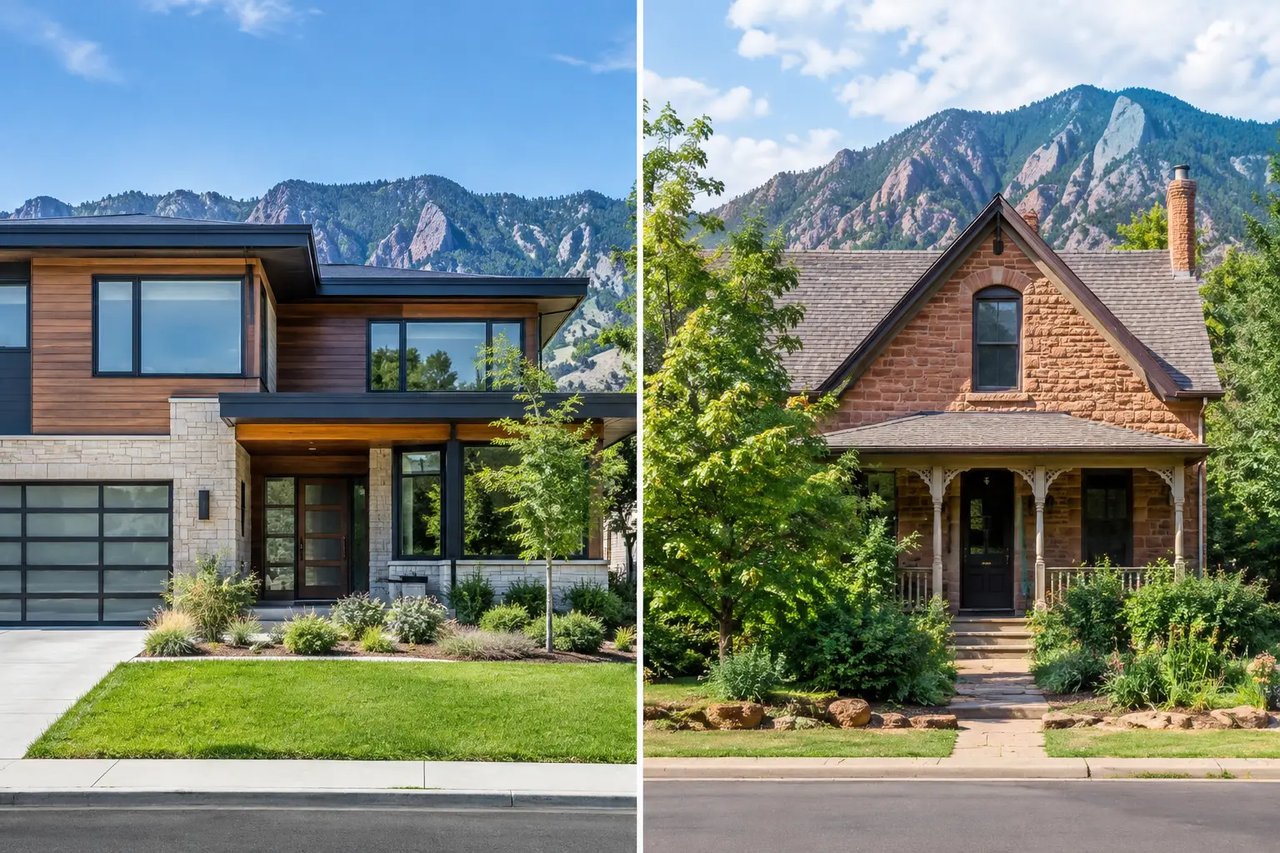
Parkside and nearby North Boulder blocks attract buyers who prioritize walkability to downtown, proximity to trails and open space, transit and bike routes, and nearby schools. These features create micro-location premiums, even within a few blocks. You can use them to your advantage if you price to the current market and present the home beautifully.
Use comparable sales the right way
Comparable Sales Analysis (CMA) is your foundation. The goal is to identify 3 to 6 recent closed sales that truly match your home, plus a few pending and active listings to understand today’s competition.
Pick the best comps
- Geography: Start within 0.25 to 1 mile in Parkside and North Boulder. Expand only if needed.
- Timeframe: Start with the last 3 to 6 months. In very tight supply, you can look back farther but adjust for market movement.
- Similarity: Match bedroom count, usable square footage, lot size, finish level, and big features like garage, finished basement, views, or solar.
Make clear adjustments
Adjust for differences in square footage, bedrooms and baths, lot size, condition, and views. Keep the adjustments consistent and defendable. Closed sales anchor your value. Active and pending listings help you set your competitive edge and pricing ambition.
Use pendings and actives wisely
Pending sales often signal where buyers are actually transacting. A nearby pending at a higher price point can justify confidence. Competing actives show what buyers will compare your home against on day one.
Factor condition and design
Condition drives value. Turnkey homes command premiums. Homes with visible repairs or dated kitchens and baths often sell at a discount because buyers anticipate cost and hassle.
- Structural and systems items matter more than cosmetics. A new roof, updated HVAC, or modern windows can reduce perceived risk.
- Energy-efficient upgrades resonate with Boulder buyers and can support stronger pricing.
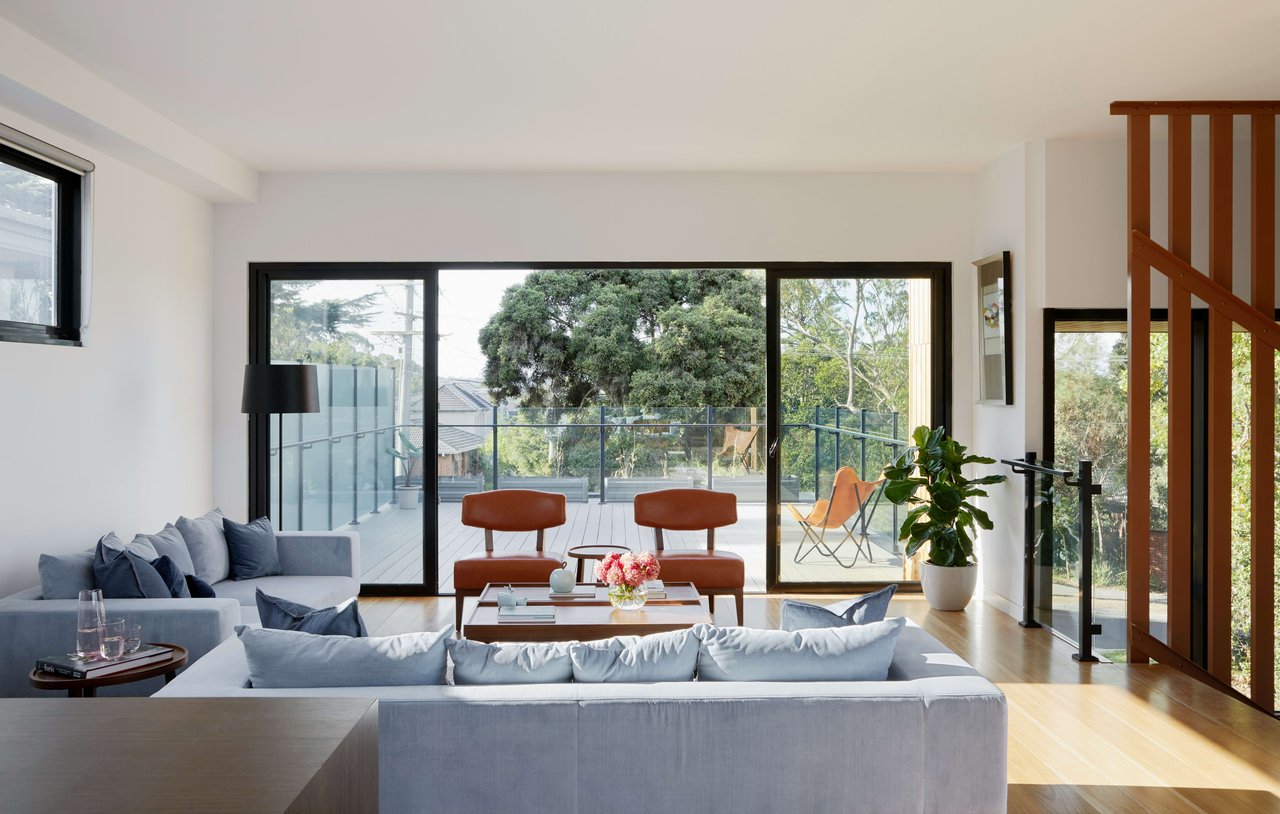
- Staging and top-tier photography improve buyer confidence and showing traffic. In a low-inventory market, great presentation can create the difference between one offer and several.
Practical tip: Estimate cost to cure visible issues and also consider a buyer perception discount. Sometimes the perceived discount exceeds the actual repair cost. Your agent’s local judgment helps you translate this into price.
Price micro-location premiums
In Parkside and North Boulder, small location differences can move value more than you expect.
Walkability and downtown access
Proximity to Pearl Street and neighborhood shops can influence buyer demand. If your home sits within an easy stroll or bike ride, note it clearly in pricing and marketing.
Parks, trails, and view corridors
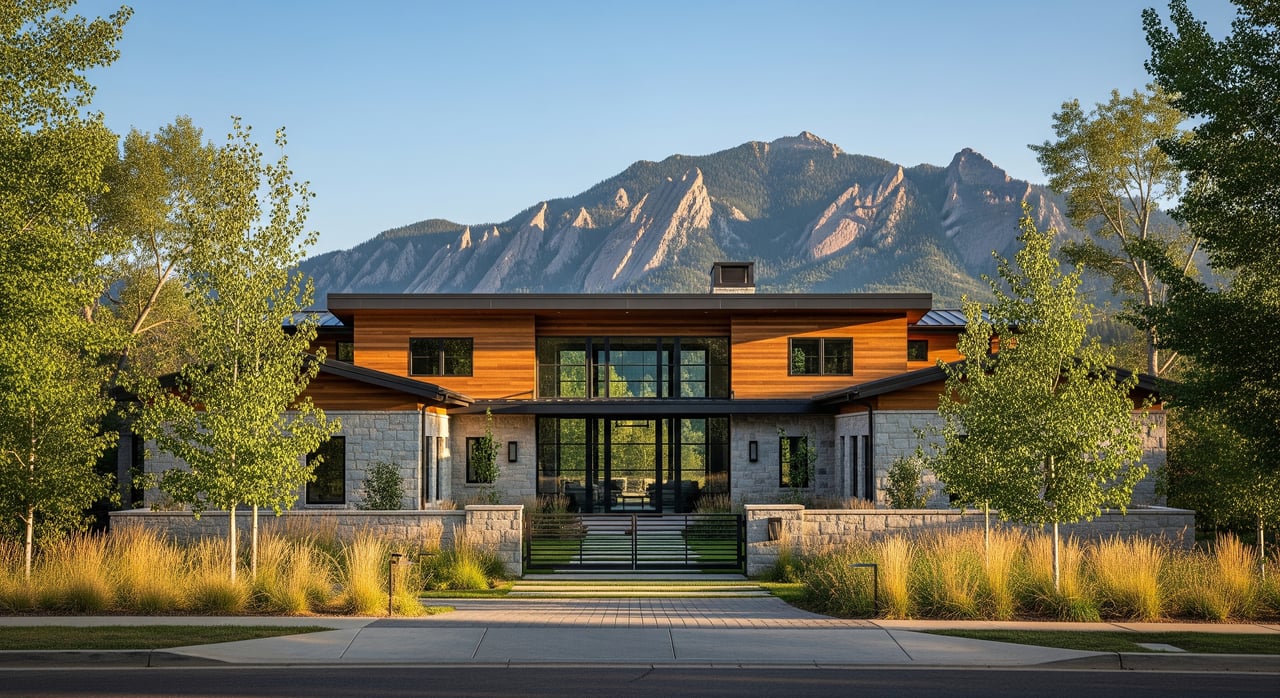
Homes near open space, trails, or with protected views often carry real premiums. If you back to a park or have direct trail access, look for comps that show a similar feature. When direct comps are thin, make incremental adjustments supported by recent market activity.
Block-by-block differences
Quieter streets, corner lots, newer nearby development, and protected sightlines can create an edge over a similar home one block away. Quantify any advantage with comps, then position your list price accordingly.
Presentation that multiplies demand
Low inventory is not a free pass. Presentation can turn interest into competition.
Marketing that builds confidence
- Professional photography and a clear floor plan help buyers understand flow and scale.
- A dedicated property website and virtual tour can expand your buyer pool and improve out-of-town engagement.
- Staging, whether occupied or vacant, guides the eye to your home’s best features and can shorten days on market.
Pre-marketing to build buzz
Coming Soon announcements and broker previews can prime the small, high-intent Parkside buyer pool. This early exposure sets up stronger day-one momentum.
Pre-market checklist for Parkside
- Order an objective pre-listing inspection to reduce buyer uncertainty and support a firmer price.
- Gather receipts and estimates for improvements: roof, HVAC, electrical, landscaping, and energy upgrades.
- Create a declutter and staging plan with a professional timeline for photography.
- Build a targeted marketing plan highlighting Parkside strengths like walkability, trails, and views.
- Decide in advance on concessions: timeline flexibility, included items, and whether you will entertain appraisal gap coverage.
Smart pricing strategies in low supply
Your strategy should reflect your goals, the home’s presentation, and current Parkside demand.
- Market price: List at fair market value based on your CMA. In low inventory, this often attracts strong traffic and multiple offers.
- Slightly under market: Price to create a bidding environment. This can deliver speed and strong terms, but it requires a solid buyer pool.
- Market price with an offer review date: Announce a date to review offers. This concentrates demand and lets competitive tension build.
- Premium listing: Price above market only if your home is truly unique and your marketing supports it. The risk is low showings and a longer timeline.
Timing and seasonality in North Boulder
Spring activity is typically strongest, but motivated buyers shop year-round when supply is tight. Consider local calendars and aim for weeks with fewer direct competitors.
- Watch neighborhood inventory week by week.
- Align your launch with weather and light for the best photos.
- Consider university schedules and local events that affect buyer availability.
Offers, appraisals, and negotiation
Pricing choices shape the offers you receive and how you compare them.
What shows up in competitive offers
Multiple offers are common in low inventory. You may see escalation clauses, appraisal gap coverage, cash offers, and flexible timelines. Compare not only price, but contingencies and financing strength.
Manage appraisal risk
If your price pushes beyond recent comps, be prepared. Provide a strong CMA, a list of upgrades, and relevant closed sales to the appraiser. You can require buyers to assume some appraisal risk or consider a pre-appraisal in select cases.
Look beyond top-line price
Focus on net proceeds and certainty of close. Strong conventional financing with clear pre-approval or cash offers can reduce risk. Contingencies, inspection terms, and timeline fit all matter.
Parkside pricing decision checklist
- Step 1: Gather 3 to 6 closed comps within 0.25 to 1 mile from the past 3 to 6 months. Add pending and active listings to understand competition.
- Step 2: Document condition, needed repairs, and recent improvements. Estimate cost to cure and any likely buyer perception discount.
- Step 3: Identify micro-location factors: walkability, trails, park adjacency, views, and school attendance boundaries.
- Step 4: Set a presentation budget for staging, photography, floor plans, and marketing. Factor the expected impact on sale price.
- Step 5: Choose a pricing strategy that matches your goal: speed, maximum price, or a balance. Set your list price and a fallback plan if you do not see offers within a set timeline.
- Step 6: Prepare a documentation packet for buyers and appraisers: inspections, receipts, utility and energy info, and upgrade summaries.
Track the right metrics
- Days on market for recent Parkside listings similar to yours.
- Sale-to-list price ratios for your comps.
- Active inventory and months of supply in North Boulder.
- Number of first-week showings and offers. Early feedback helps you adjust quickly if needed.
Example pricing paths
Here are three ways Parkside sellers often approach pricing in low inventory.
- The momentum launch: You stage, capture stunning photos, list at market price, and set a one-week offer review date. With strong marketing, this can attract multiple offers and clean terms.
- The spark strategy: You price slightly under market to drive traffic in the first 72 hours. This approach requires confidence that the buyer pool is deep enough to bid up.
- The premium bet: You have a rare property with exceptional features like park adjacency and panoramic views. You price above market with best-in-class presentation and accept a longer runway while you test the ceiling.
The bottom line
In Parkside, low inventory gives you an opening, but pricing discipline wins. Anchor your list price in tight comps, adjust for condition and features, quantify your micro-location advantages, and invest in presentation. When you put it all together, you can maximize both your sale price and your certainty of close.
Ready to see how your Parkside home would perform today? Reach out to Debby Caplin Real Estate dba Bolder By Design for an instant valuation and a design-led plan to launch with confidence.
FAQs
What does low inventory mean for Parkside sellers?
- Low inventory often leads to shorter days on market and more multiple offers, but overpriced listings can still sit. Pricing discipline and presentation are key.
How do I choose comps for a Parkside home?
- Start with 3 to 6 closed sales within 0.25 to 1 mile from the last 3 to 6 months that match size, beds, baths, lot, condition, and key features. Add pending and active listings for context.
How much should I invest in staging and marketing?
- Staging, professional photos, and clear floor plans often pay off through more showings and stronger offers. Set a budget and weigh it against expected price impact.
When is the best time to list in North Boulder?
- Spring usually has the most activity, but motivated buyers shop year-round in low supply. Aim for weeks with lighter competing inventory and strong photography conditions.
What if my Parkside home’s appraisal comes in low?
- You can ask the buyer to cover the gap, renegotiate, seek another appraisal, or adjust price. A strong comp package and clear upgrade documentation help reduce appraisal risk.