Thinking about a low‑maintenance home near downtown Boulder, restaurants, and trails? If you are eyeing a condo or townhome in Whittier, you are not alone. The neighborhood’s walkability and range of older condos and newer infill townhomes make it a smart target, but the process has a few Boulder‑specific twists. This guide shows you the exact steps, from financing and HOA documents to inspections, parking, and offer strategy. Let’s dive in.
Why Whittier works for condo and townhome buyers
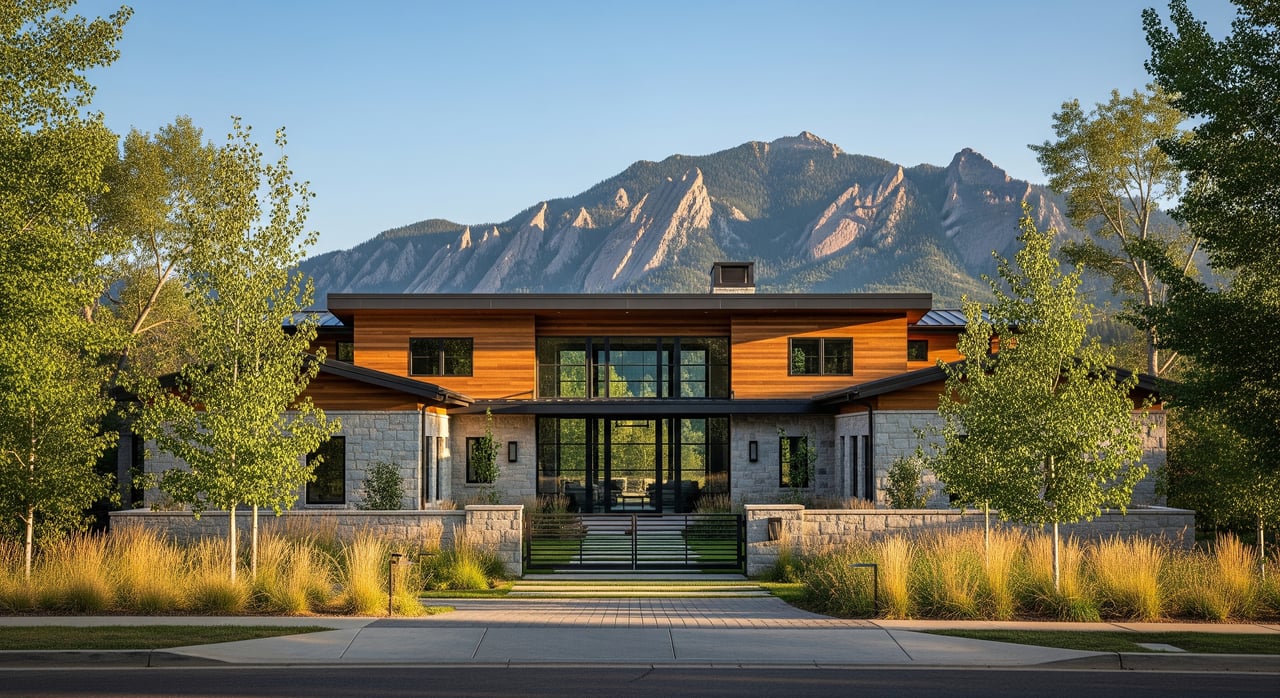
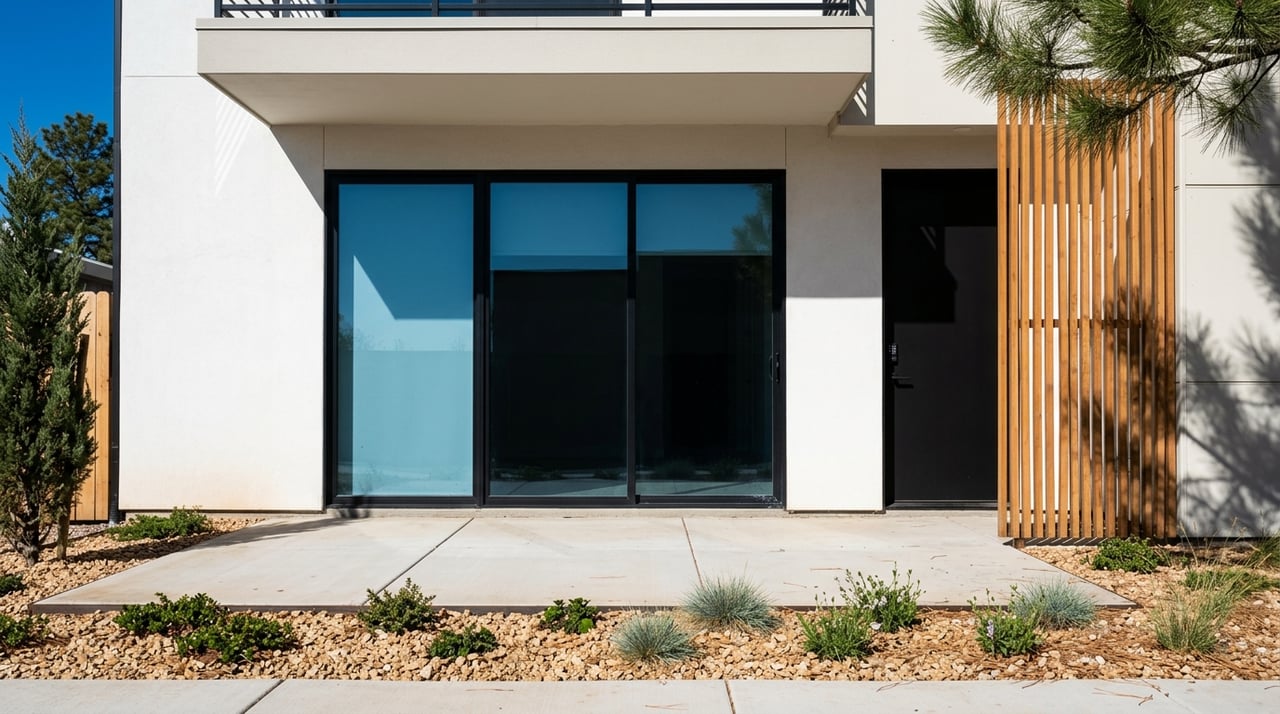
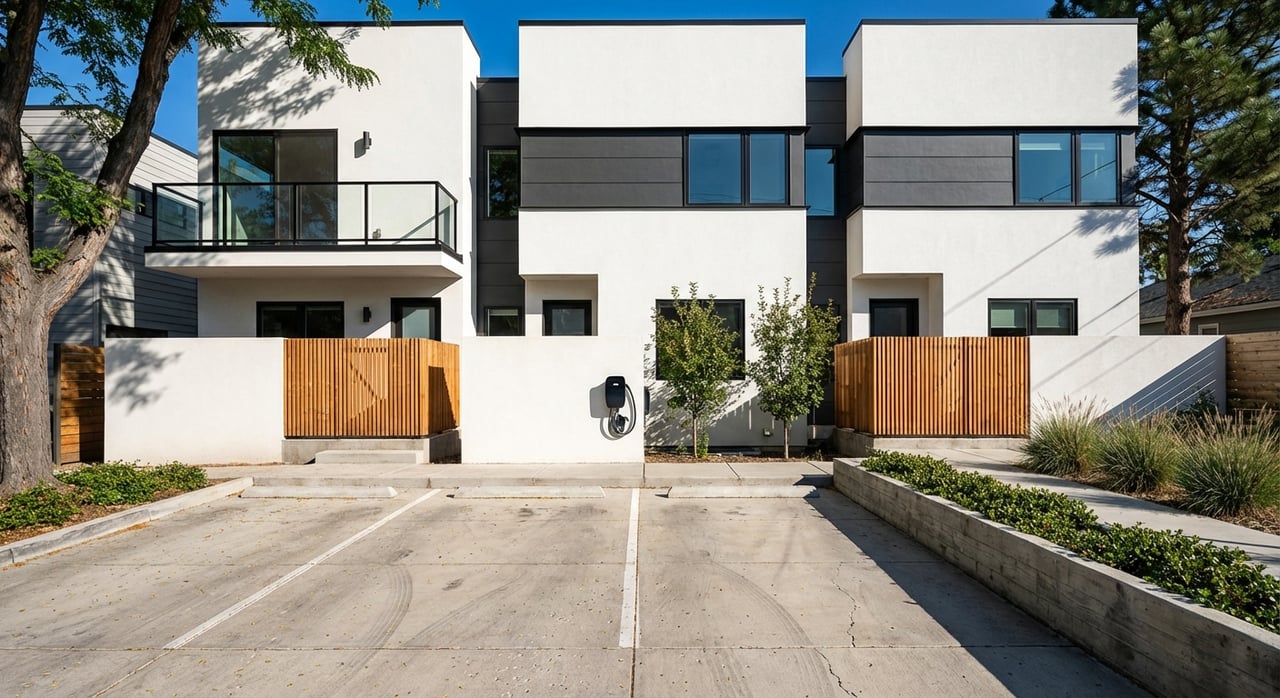
Whittier sits in central Boulder, close to Pearl Street and major amenities. You will find a mix of older multi‑unit buildings alongside newer infill townhome projects, so options range from classic condos to modern attached homes. Inventory can be tight, and well‑located units often move quickly. If a place checks your boxes, you will want to be offer‑ready.
Buyers in Whittier tend to value walkability and simplicity. You will see students and young professionals, downsizers, and some investors. If rental income is in your plan, you will need to understand Boulder’s short‑term rental rules and your HOA’s rental restrictions before you buy.
Your step‑by‑step buying timeline
Below is a typical path from pre‑approval to closing. Exact dates are negotiable and controlled by your Colorado contract. Always confirm how days are counted in your signed contract and get any extensions in writing.
Before you shop: get set up
- Get fully underwritten pre‑approval, not just prequalification, so you can move fast on the right unit.
- Choose a local lender with condo experience and verify they can review project eligibility early.
- Line up proof of funds for earnest money and, if needed, an appraisal gap.
Offer day: structure it to win
- Price: offer a clean number you can support with comps. Consider an escalation clause only after you understand appraisal risk and caps.
- Timing: propose short, realistic deadlines for inspection, HOA review, and financing. Shortening timelines is often safer than waiving them.
- Certainty: flexibility on closing or a brief rent‑back can strengthen your position.
Days 0–3 under contract
- Confirm the Effective Date and all deadlines in your contract.
- Ask the listing agent or title to order the HOA status letter and full resale packet immediately; some take days or weeks. Budget for possible rush fees.
- Schedule your unit inspection and request access to any assigned storage, garage, or balconies.
Days 3–10: inspections and HOA review
- Conduct your unit inspection and follow up with any needed specialty checks.
- Review HOA documents for reserves, rules, insurance and any signs of upcoming assessments or litigation.
- If issues arise, submit an inspection objection before the deadline and negotiate a resolution in writing.
Days 10–30: appraisal and underwriting
- Your lender finalizes project eligibility, appraisal, and income/asset verification.
- If the appraisal misses, discuss options: seller price adjustment, your defined gap coverage, or contract exit per your terms.
Closing week: final checks
- Confirm your closing disclosure, wire instructions, and any HOA move‑in procedures or fees.
- Arrange parking permits or guest passes if needed and verify keys/fobs for building access.
HOA and resale packet essentials
Colorado condo and townhome purchases include an HOA status letter and a resale packet. The status letter (also called an estoppel or resale certificate in other states) reports dues status, pending assessments or fines, transfer and move‑in fees, and amounts due at closing. Lenders and title companies require it to clear closing. Because turnaround times vary, ask for it as soon as your offer is accepted and confirm who will order and pay for it. Associations or managers commonly charge a fee and may offer rush options. This overview of HOA resale packages explains typical contents and timing.
What you should request and review:
- Budget, year‑to‑date financials, and reserve balance
- Most recent reserve study
- Last 12 months of board meeting minutes
- Rules/CC&Rs and bylaws
- Master insurance summary and coverage limits
- Any engineering reports, invoices, or disclosures for recent building projects
- Litigation disclosures and a list of recent or pending special assessments
Tip: Confirm whether parking, storage, and any exterior elements like balconies are deeded, limited common elements, or common areas. This affects who maintains and insures them.
Inspections and building‑level due diligence
A condo or townhome inspection focuses on the unit interior and systems you own. Inspectors typically assess plumbing and electrical within the unit, HVAC components assigned to the unit, windows and doors, visible signs of leaks, appliances included in the sale, and general safety issues. They may flag clues that suggest a building‑level problem. Common areas and building mechanicals usually require HOA access. For a primer on scope and limits, see this guide on what a condo inspection covers.
Go beyond the unit by reviewing the building’s health:
- Request the most recent reserve study and current reserve balance. Learn how to read key metrics like percent funded with this reserve study explainer.
- Ask for recent engineering reports and invoices for major projects such as roofs, balconies, parking structures, and building envelope work.
- Confirm master insurance coverage and deductibles, plus any coverage gaps you must insure.
Older buildings vs newer infill:
- Older buildings can present building‑envelope wear, original plumbing risers, older wiring, balcony and railing deterioration, and potentially outdated fire separation features. When available, review recent roof or envelope reports and consider targeted specialty inspections. This pre‑purchase condo guide outlines common concerns.
- Newer infill townhomes and condos usually offer modern mechanicals and may have remaining builder warranties, but watch for early reserve shortfalls and punch‑list or phasing issues. If the developer still owns unsold units, ask for turnover documents and warranty contacts.
Financing and project eligibility
Conventional lenders review the building itself, not just your income and credit. Using Fannie Mae’s Condo Project Manager, they determine whether a condo project is “warrantable.” Factors include owner‑occupancy ratios, HOA delinquency rates, reserve strength, insurance coverage, and how much commercial space is in the project. Ineligible projects often require portfolio loans, larger down payments, or higher rates. Have your lender check project status early through Fannie Mae’s Condo Project Manager.
If you need FHA or VA options, know that FHA uses a separate approval process and may allow single‑unit (spot) approvals in some cases. Check whether a project is FHA‑approved and ask your lender about current single‑unit pathways. Learn more about FHA condo approvals and spot approvals.
Local rules that affect how you use your home
Short‑term rentals in Boulder require an owner‑occupied license. The city’s short‑term rental program requires the property to be your principal residence and that you secure a short‑term rental license before advertising. This means most full‑time, non‑owner STRs are not allowed in Whittier. Review the city’s short‑term rental licensing rules. County rules differ outside city limits; compare with Boulder County’s vacation rental page. Finally, confirm whether your HOA allows any form of STR. HOA rules are separate from city rules.
Parking in Whittier: what to confirm
Whittier participates in Boulder’s Neighborhood Parking Permit (NPP) program. On‑street time limits and permits apply, and the city notes that permits do not guarantee a specific space. Visitor and guest pass rules are zone specific, and program updates take effect in 2026. Read the city’s page on Neighborhood Parking Permits for hours, limits, and guest pass options.
Your checklist:
- Verify whether the unit includes deeded or assigned off‑street parking and the number of spaces.
- Confirm guest parking locations and enforcement hours.
- Ask the HOA about any parking transfer or move‑in fees.
- If relying on street parking, review your NPP zone’s rules for residents and guests.
Compete and win without overreaching
When the right Whittier unit hits, preparation wins. A fully underwritten pre‑approval and a responsive lender can make your offer stand out. For strategy ideas, see this overview on winning bidding wars without overpaying.
- Price and terms: a strong price helps, but seller certainty often matters more. Offer a flexible closing, a short inspection window, and clear communication.
- Earnest money: a higher amount signals commitment, but it is still protected by your contingencies if you act within deadlines.
- Contingencies: shorten rather than waive when possible. Consider a defined appraisal gap cap if you have cash to bridge a shortfall. Avoid waiving inspection or financing unless you are fully informed and comfortable with the risk.
Quick buyer checklist for Whittier condos and townhomes
- Secure a fully underwritten pre‑approval and gather proof of funds.
- Ask the listing agent or title to order the HOA status letter and full resale packet immediately after ratification; verify timing and fees.
- Book your unit inspection promptly and request access to assigned storage, garage, and balcony spaces.
- Review HOA financials, rules, reserve study, board minutes, insurance, and any engineering reports. Watch for special assessments or litigation.
- Confirm parking: deeded or assigned spaces, guest rules, NPP details, and any HOA parking fees.
- Have your lender assess project eligibility and, if needed, FHA or portfolio options early.
- Track all contract deadlines, submit objections before cutoffs, and document any extensions in writing.
The bottom line
Buying a Whittier condo or townhome is straightforward when you control the details. Get your financing lined up, request the full HOA packet on day one, inspect the unit and the building’s health, and structure an offer that balances strength with safety. With design‑savvy guidance, you can also see how to elevate a space to match your Boulder lifestyle.
If you want a clear plan and local advice tailored to the block and the building, connect with Debby Caplin Real Estate dba Bolder By Design. We will help you navigate HOA documents, due diligence, and offer strategy, and we will bring a design‑led eye to the possibilities in every room.
FAQs
What does an HOA status letter include for a Whittier condo?
- It typically shows the seller’s dues status, pending fines or special assessments, transfer and move‑in fees, and amounts due at closing. Title and lenders need it before you can close, so ask for it immediately after your offer is accepted.
How do Boulder short‑term rental rules affect buying in Whittier?
- The city requires STRs to be owner‑occupied and licensed, so most full‑time, non‑owner STRs are not allowed. Always check the city’s STR licensing page and your HOA’s rental rules before you buy.
What is the difference between warrantable and non‑warrantable condos in Boulder?
- Warrantable projects meet conventional guidelines on owner‑occupancy, reserves, insurance, and more, which enables standard loans and rates. Non‑warrantable projects may require portfolio loans or larger down payments. Your lender can check status through Fannie Mae’s Condo Project Manager.
Do Whittier streets require parking permits?
- Many blocks are in Boulder’s Neighborhood Parking Permit program, which has time limits, resident permits, and guest pass rules. Review your zone’s details on the NPP program page and confirm whether your unit has deeded or assigned parking.
What extra inspections should I consider for older Whittier buildings?
- In addition to a unit inspection, consider targeted evaluations for building envelope, balconies, or plumbing risers if documents or stains raise concerns. This pre‑purchase condo guide outlines common risks in older buildings.
Which Colorado condo contract deadlines are most critical?
- Pay close attention to the inspection objection and resolution dates, HOA document review deadline, appraisal and loan deadlines, and closing. Confirm how days are counted from the Effective Date and get any needed extensions in writing.