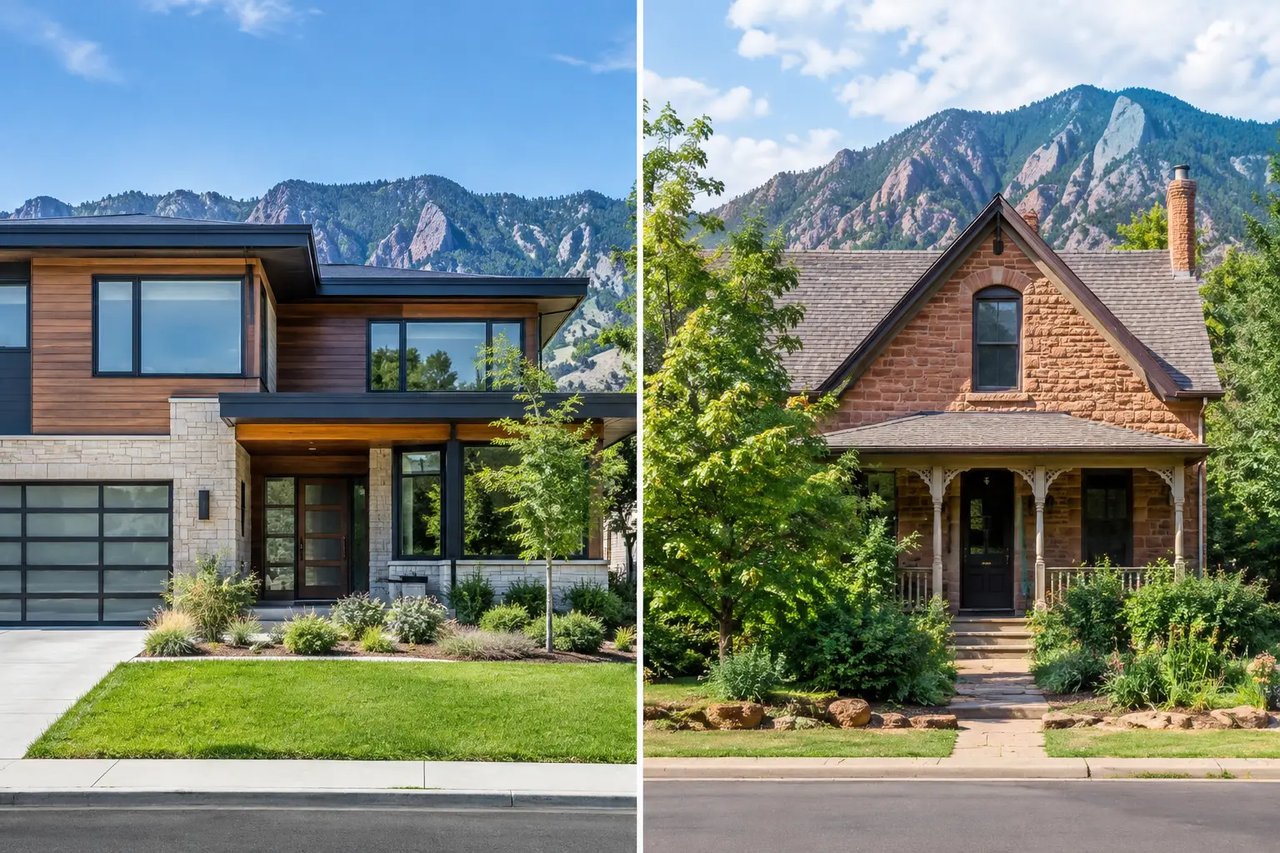
Why do two central Boulder homes that look alike sell for very different prices? If you have walked a few blocks around Pearl Street, Mapleton Hill, Whittier or University Hill, you have seen it firsthand. The homes can share similar square footage and style, yet the numbers tell a different story. You are not imagining it. Central Boulder runs on micro-markets, and small details often move value in a big way.
In this guide, you will learn how micro-markets work in Downtown Boulder, which price drivers matter most on a block-by-block basis, and how to compare “similar” homes the right way. You will also get a practical checklist and a simple research workflow you can use today. Let’s dive in.
What a micro-market means in Boulder
A micro-market is a small geographic pocket where supply, demand and buyer preferences behave differently than the broader city. In central Boulder, a single block can switch from historic single-family to new infill to mixed-use condos. That mix creates unique buyer pools and price patterns.
Boulder’s topography, historic overlays, alley network, and proximity to Pearl Street all add complexity. A south-facing yard on one block, a protected view corridor on the next, and a condo building with limited parking around the corner can each shift value. To price or bid with confidence, you need to compare homes within very tight radii and control for features that do not show up in a quick glance.
Downtown core: lifestyle and logistics
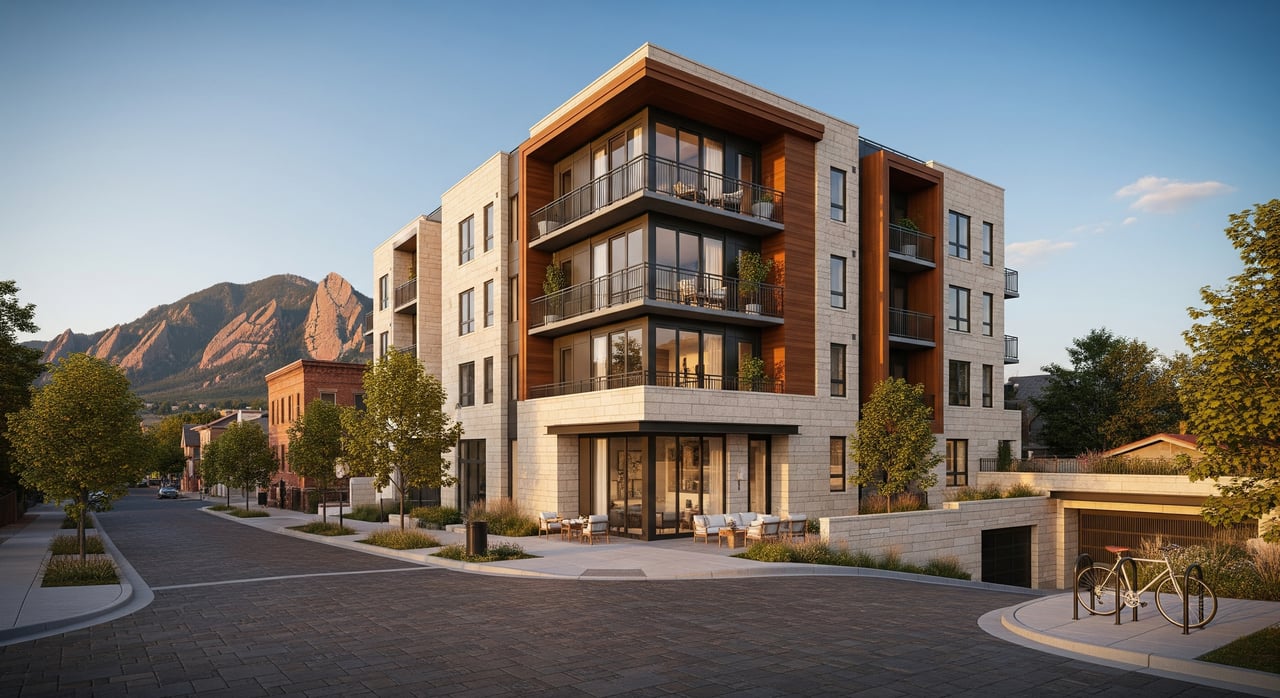
Downtown near the Pearl Street Mall and Civic Area offers condos, townhomes, mixed-use buildings and a handful of single-family homes. The strongest value driver here is walkability. Many buyers trade interior square footage for a car-light lifestyle, short errands, and access to dining and events.
Consider the tradeoffs. You may pay HOA dues and accept limited private outdoor space. Street noise and parking constraints can weigh on value, while private decks, secure garage spaces and quiet side-street exposure can boost it. The result is a wide price range for residences that look similar on paper.
Mapleton Hill: historic character, deep lots
South of Pearl, Mapleton Hill’s historic district is known for its Victorian and early 20th-century homes, mature trees and relatively deep lots. Historic district protections support neighborhood character and reduce the risk of incompatible infill. Buyers who value preserved period details often pay more for homes that balance integrity with thoughtful system and kitchen/bath updates.
Lot size and usable outdoor space matter as much as architecture. A well-landscaped yard, alley access with a garage, and sunlight orientation can separate two comparable-looking homes. Historic oversight can also give sellers a stability story that resonates with long-term buyers.
Whittier: close-in and adaptable
North of downtown, Whittier blends modest bungalows, duplexes and newer infill on generally smaller lots. It appeals to first-time buyers, investors and downsizers who want walkability and a lower entry point relative to Mapleton Hill. Legal accessory dwelling units, where allowed by zoning, can broaden the buyer pool and income potential.
The flip side is smaller yards and older systems in some homes. That can set different expectations for maintenance timelines and upgrade budgets. When you compare comps here, confirm the zoning and any permitted secondary units, since those factors can materially change value.
University Hill: rental dynamics by CU
Near the CU campus, University Hill concentrates student rentals, apartments and small single-family homes. Investor demand and rental income potential are key drivers. Seasonality tied to the academic calendar can influence pricing and days on market.
City rules for rental occupancy and short-term rentals shape returns and investor appetite. If you are buying or selling near the Hill, confirm the current rental ordinances and permit status before you set strategy. Owner-occupier blocks a couple of streets away can behave differently from student-focused blocks.
Adjacent blocks: views, sun and street feel
Just beyond the immediate core, you can often find larger lots and more detached housing while staying within a short walk of downtown. Here, micro-differences come down to how the block is oriented to the Flatirons, sun exposure, and the feel of the street. Wider streets with strong tree canopy and alley access can add a sense of privacy and ease of parking.
A partial Flatirons view from an upper level, a south-facing backyard that gets winter sun, or a garage accessible from the alley can each move value. Because these features are scarce and not easily replicated, they tend to carry premiums in tight central neighborhoods.
The mechanics behind price gaps
Inventory type and scarcity
Condos, townhomes, duplexes and single-family homes serve different buyer pools. Downtown condos may compete with more active listings at any given time, while unique single-family homes stay scarce. Scarcity supports higher prices if the buyer pool is deep.
Architecture, condition and historic status
Character-rich homes in good condition often command higher per-square-foot pricing. Historic district overlays can protect neighborhood design continuity. Homes that retain period details and have modern systems are well positioned in Mapleton Hill and nearby blocks.
Lot size and usable outdoor space
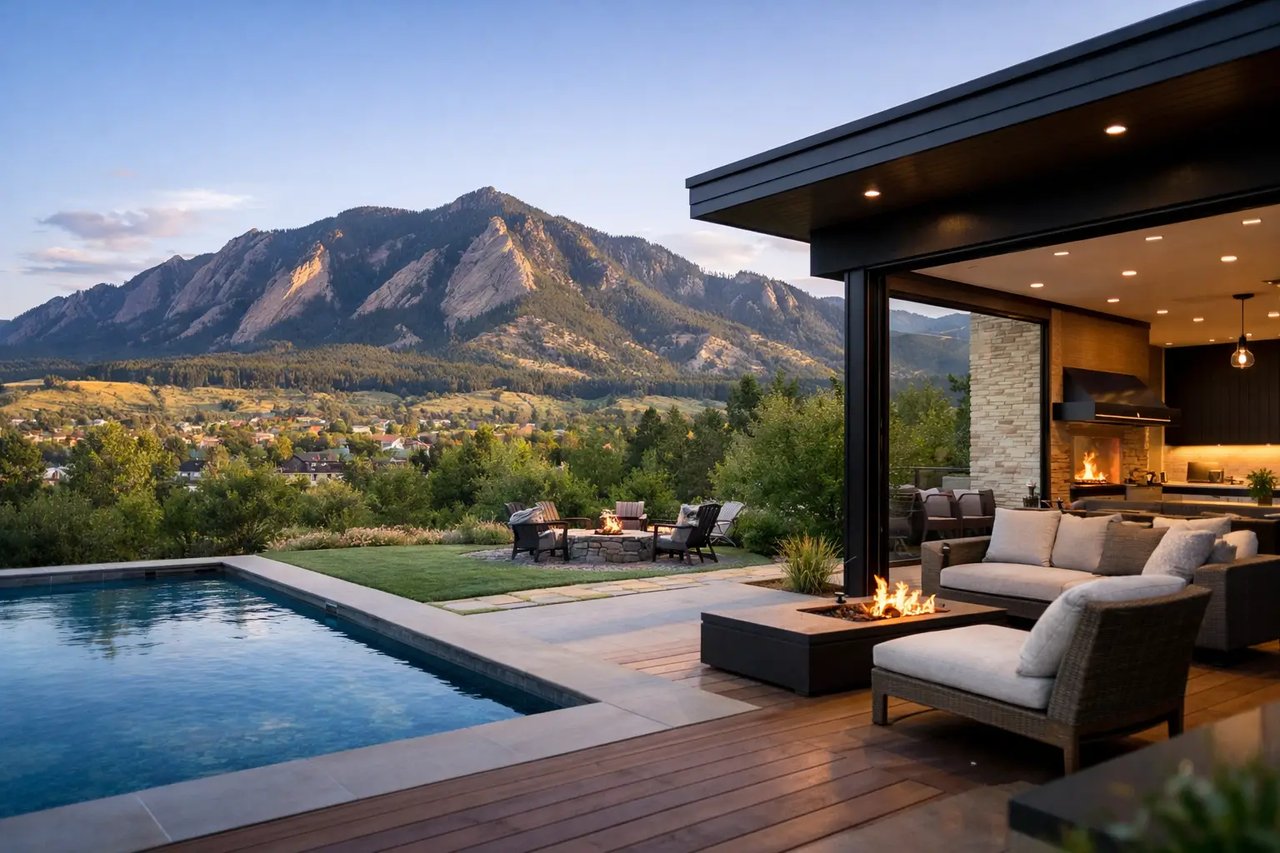
Usable outdoor living has outsized value in central Boulder. Flat, private yards, patios and decks matter more than total lot size if a portion is steep or not accessible. South-facing yards and mature landscaping can tip the scales when buyers compare similar interiors.
Views and topography
Flatirons, foothill or city views can be decisive. The premium depends on quality and permanence. A view that is likely to be blocked by future development is valued differently than one protected by topography or public land. Always evaluate the actual line of sight, not just the listing description.
Walkability and lifestyle
Pearl Street proximity reduces commute time and car dependence. Some buyers accept smaller interiors in exchange for daily convenience and a lively street scene. If you are pricing, check walkable access to groceries, parks and transit. That context helps explain price-per-square-foot differences across nearby blocks.
Zoning and redevelopment potential
Where zoning allows higher density or legal ADUs, buyers may value the optionality. In contrast, single-family zoning or a historic overlay can support neighborhood stability. Always confirm current zoning and any recent or pending code changes before you ascribe value to potential.
Parking, garages and access
Off-street parking and garages are especially valuable near downtown. A private garage with storage or an EV charger can attract buyers who need secure space. Alley access can keep curb appeal intact while improving daily function.
Rental market and investor appetite
Closer to CU, the investor buyer pool can shape pricing. Rental rules, occupancy limits and short-term rental policies affect returns. Expect more seasonality in investor-driven pockets and a different negotiation tempo than owner-occupier blocks.
Physical risk factors
Floodplain exposure and steep topography can introduce mitigation and insurance costs. Many buyers still reference the 2013 flood when evaluating risk and disclosures. Confirm floodplain maps and elevation data when you compare properties near waterways.
Timing and local events
Inventory is tight and seasonal rhythms are real. Spring and early summer can bring faster movement and sharper spreads between lookalike listings. University move-in periods can affect showing traffic near the Hill.
Vignettes that make it tangible
- Downtown corner by Pearl and Broadway: Two similar two-bedroom condos in the same building sell differently because one faces a quiet side street with a private deck and garage parking, while the other fronts a busy corridor with exposure to retail alley noise. Outdoor space and façade exposure move the needle.
- Mapleton Hill, one block south of Pearl: A converted 1905 Victorian on a larger lot with preserved details and updated systems competes in a different buyer pool than a smaller 1920s bungalow on a narrow lot two blocks north. Historic character and yard depth set different expectations and price tiers.
- Whittier infill case: A small bungalow with a permitted accessory dwelling unit draws interest from investors and multigenerational buyers, while an otherwise similar home without the ADU appeals more to traditional owner-occupiers. Legal use changes the audience and the value conversation.
- University Hill near campus edge: A property with income tied to student leases experiences seasonal demand swings and pricing sensitivity to city rental rules, compared with owner-occupied blocks just a few streets away.
Quick appraisal checklist for central Boulder
Use this short list to compare “similar” homes and explain price gaps.
- Lot and yard: Measure actual usable outdoor space, not just total lot size. Flat, private, south-facing yards live larger.
- Views and orientation: Confirm Flatirons or foothill views from specific rooms and levels. Check for potential obstructions.
- Street context: Note street width, tree canopy, traffic, and proximity to restaurants or bars that add noise or smells.
- Access and parking: Verify garages, off-street spots and alley access. Downtown, a secure space can be a big premium.
- Historic overlay and zoning: Check if the property is in a historic district or has zoning that allows ADUs or higher density.
- Systems and finishes: Compare roof, HVAC, windows and insulation, plus quality and recency of kitchen and bath updates.
- Legal units and permits: Verify permitted ADUs, finished basements, and any open permits or code cases.
- Risk checks: Run the floodplain and elevation maps if near waterways or steep slopes.
How to research a block in Boulder
If you like a property, validate the micro-market details before you price or bid.
- Pull very local comps. Use the MLS to find sold properties within 0.1 to 0.25 mile that match property type and number of beds and baths. Compare days on market and list-to-sale ratios.
- Confirm parcel facts. Use the Boulder County Assessor to verify lot size, year built, and legal descriptions. Cross-check finished square footage with how living area was measured.
- Check zoning and overlays. Visit City of Boulder Planning & Development Services for zoning maps, historic district boundaries and land use code. Confirm ADU rules and any short-term rental eligibility.
- Review physical risk. Use Boulder County GIS and Open Data for floodplain layers, elevation and parcel outlines. Study aerials to understand topography and potential view obstructions.
- Evaluate walkability and transit. Look up Walk Score for the exact address and review RTD transit access to understand lifestyle tradeoffs.
- Visit the block. Walk at different times of day to observe noise, light, parking, and foot traffic. Photograph the street and alley to document context.
- Consult local experts. Experienced listing agents and appraisers can help with nuanced adjustments and recent off-MLS activity.
Why a design-led local advisor matters
Micro-markets reward precision. The right presentation strategy, paired with hyperlocal comp selection, can change your outcome. On the sell side, design-forward staging, lighting, and simple layout tweaks can amplify strengths like indoor-outdoor flow, views and period details. On the buy side, a trained eye can help you see what is possible within zoning and historic guidelines and avoid costly misreads on condition or permitting.
You deserve guidance that combines neighborhood intelligence with design expertise. If you are considering a move in Downtown Boulder, Mapleton Hill, Whittier or University Hill, let’s evaluate your block and tailor a plan.
Ready to map your block and get clear on your value? Get your instant home valuation + design consult with Unknown Company.
FAQs
Why do similar Boulder homes sell for different prices?
- Block-level differences like usable yard depth, views, historic status, recent renovations, parking and permitted square footage often explain price gaps.
Do Flatirons views always add value in central Boulder?
- Views commonly add value, but the premium depends on quality and permanence. Confirm with very local comps and check for potential obstructions.
How much does walkability near Pearl Street matter?
- Walkability is a major driver. Many buyers accept smaller interiors for easy access to shops, parks and transit, which supports higher price per square foot nearby.
Can zoning or an ADU change my property value?
- Yes. Allowable density and legal accessory units can expand the buyer pool and income options. Always verify current zoning and permit history before pricing.
Are investors active near University Hill and CU?
- Yes. Investor demand is common near campus, and city rental rules shape returns. Expect seasonality and different pricing dynamics than owner-occupied blocks.