If you love the energy of downtown but do not love the idea of driving for every errand, Downtown Boulder makes a strong case for a car-lite lifestyle. You may be relocating, downsizing, or simply looking for a more walkable daily rhythm. The good news is that in the heart of Boulder, many of the pieces are already in place, from transit and bike access to groceries, parks, and everyday services. Let’s dive in.
Why Downtown Boulder Works Car-Lite
Downtown Boulder is built around a pedestrian-first core, and that matters if you want to depend less on a car. The Pearl Street Mall is a four-block outdoor pedestrian destination where cars have been prohibited since 1977, according to the City of Boulder. The broader downtown district also includes the Pearl Street East End and West End, with shopping, lodging, restaurants, services, entertainment, and events all packed into a highly accessible area.
This is not just a pleasant layout. The City of Boulder says it has intentionally built a pedestrian-friendly town and notes Boulder’s recognition as a Gold-level Walk Friendly Community. For someone considering a condo, townhome, or downtown residence, that means your day can feel more connected and less car-dependent.
Another useful detail is how the city treats parking in downtown. For commercial uses in the Downtown district, there are no minimum parking requirements, and the city notes these areas are typically mixed-use, walkable, transit rich, and served by on-street and garage parking. In practical terms, downtown is planned with walking, transit, and shared access in mind rather than assuming every trip starts in a private vehicle.
Daily Errands Are Easier Than You Think
One of the biggest questions about car-lite living is simple: can you actually handle everyday life without driving all the time? In Downtown Boulder, the answer can often be yes, especially if you live near Pearl Street or central downtown.
For groceries and essentials, Downtown Boulder’s business directory identifies Lolita’s Market & Deli at 800 Pearl as downtown’s only full-service market and deli. It carries everyday necessities and groceries and is open daily from 6 a.m. to 1 a.m. That kind of access can make a real difference when you need to pick up basics without planning a dedicated car trip.
For fresh food and local goods, the Boulder County Farmers Market is in Central Park at 13th and Canyon, right in the heart of downtown. It operates Saturdays from April through November and Wednesdays from May through October. If you enjoy building errands around a walkable routine, the market adds another layer of convenience and local flavor.
Recreation Fits Into Daily Life
Living car-lite is easier when recreation is close by, not something you need to drive to every time. Downtown Boulder offers that balance in a way many urban centers do not.
Central Park sits next to Boulder Creek access and open turf for picnicking, and it connects to the Boulder Creek Path. The path stretches 5.5 miles, giving you a direct way to walk, run, or bike through a major outdoor corridor without leaving the central city. That helps downtown feel less like a commercial district and more like a neighborhood with built-in outdoor amenities.
Taken together, downtown’s layout makes it possible to combine coffee, errands, dining, and time outside into one outing. While that is an inference from the amenity mix rather than a formal city statement, it is a meaningful one for buyers who want a more flexible and less car-centered lifestyle.
Transit Makes Downtown More Connected
A car-lite lifestyle works best when transit is not an afterthought. In Boulder, the city works with RTD and Via Mobility Services to plan and fund local bus service as part of a complete transit network connecting local and regional destinations.
For downtown residents, the HOP is one of the most useful tools in the system. City materials describe it as a 5.5-mile loop connecting Pearl Street, Downtown Boulder, the University of Colorado Boulder, the Twenty Ninth Street Mall, and Boulder Junction. Current city information lists weekday service every 12 minutes from 7 a.m. to 7 p.m. and every 20 minutes from 7 p.m. to 10 p.m., with reduced seasonal service possible during winter and summer breaks.
That kind of circulation matters if you want to reach key parts of Boulder without moving your car. It can also be helpful for households where one or both people want flexibility for commuting, errands, appointments, or social plans.
Downtown Boulder Station Adds Regional Access
Downtown Boulder Station at 1800 14th Street serves 18 routes and includes bike racks. It does not have RTD parking, which suggests it is designed around walking, biking, and transfers rather than park-and-ride use.
For regional travel, the Flatiron Flyer gives you a direct Boulder-to-Denver corridor option. RTD describes it as bus rapid transit between Boulder and Denver, and the FF1 route runs every 15 minutes during weekday daytime hours. RTD service maps and schedules also show Boulder and Denver Airport service tied to Downtown Boulder Station, which can reduce the need for a second household car used only for occasional longer trips.
Biking and E-Bikes Fill the Gaps
Downtown Boulder’s transportation story is not just about walking and buses. Biking is a major part of how many people get around, and the city’s network is unusually strong by Front Range standards.
The City of Boulder says the Boulder Valley has more than 300 miles of bikeway, including 96 miles of bike lanes, 84 miles of multi-use paths, and 50 miles of designated bike routes. That network helps connect downtown to nearby neighborhoods, everyday destinations, and recreational routes.
Shared micromobility also plays a role. The city’s program partners with BCycle and Lime, and the city says these services help people get around without a car, connect to bus stops, and reduce single-occupant car trips. If you are deciding whether you can comfortably own fewer vehicles, access to e-bikes and scooters can make short trips much easier.
Know the Downtown Bike Rules
There are a few practical rules to understand if you plan to bike downtown often. The city says bikes and other wheeled devices must be dismounted in downtown dismount zones around Pearl Street Mall. The city also provides free secure bike parking in three downtown garages:
- Spruce Street and 11th Street
- Pearl Street and 15th Street
- Walnut Street and 14th Street
These details help make biking more practical while keeping the downtown pedestrian core comfortable and safe.
Car-Lite Does Not Mean Car-Free
It is worth being realistic here. Car-lite living in Downtown Boulder can work very well, but that does not mean every household will want to be fully car-free.
The city provides more than 2,500 parking spaces in the downtown area, offers 15 minutes of free on-street parking once per day, and recommends garages for longer stays. That means if you do keep a car for weekend trips, work needs, or mountain access, downtown still has infrastructure to support occasional driving.
In many cases, the sweet spot is not eliminating a car altogether. It is using walking, biking, the HOP, and RTD for most of your weekly needs, while keeping a car as a secondary tool rather than your default mode of transportation.
Who Is a Good Fit for Downtown Car-Lite Living?
Car-lite living tends to work best when your job, routines, and favorite places are concentrated in downtown or central Boulder. If you enjoy walking to coffee, dinner, the farmers market, nearby services, and the creek path, Downtown Boulder can offer a very efficient lifestyle.
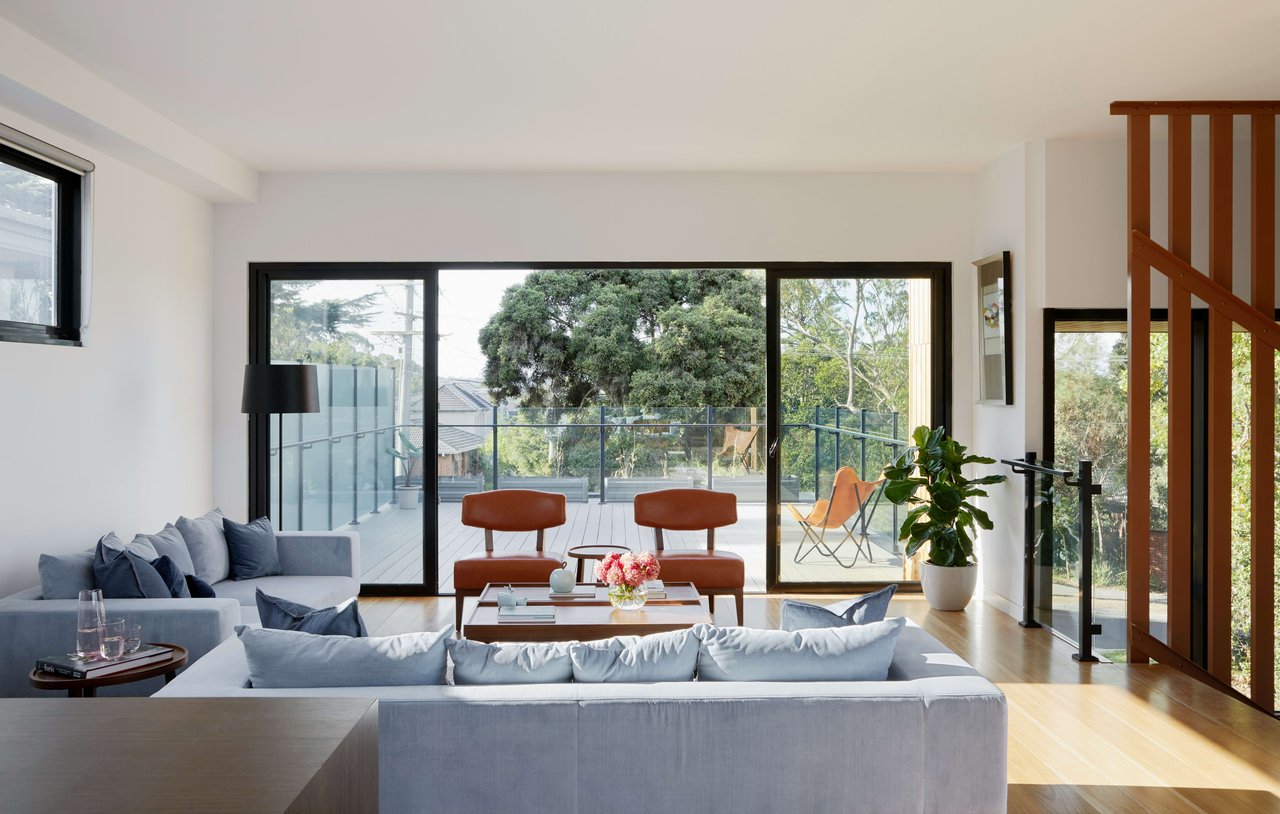
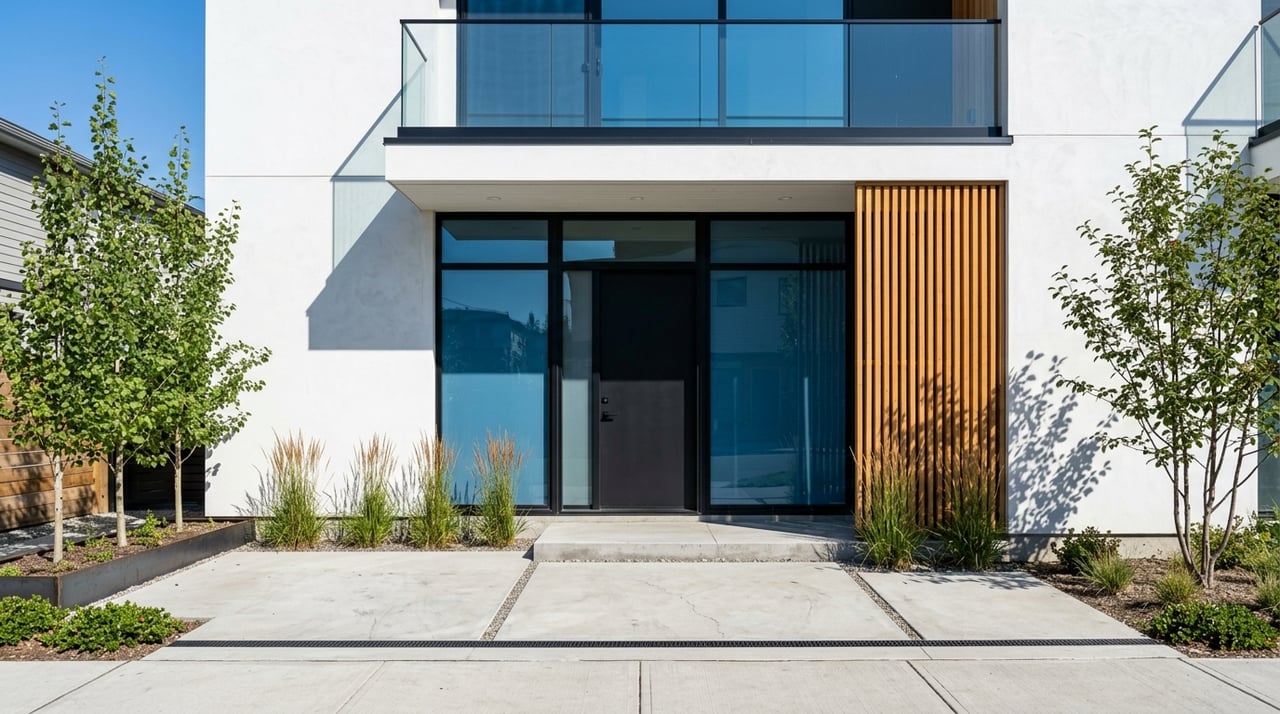
It can also be a great fit if you value design, convenience, and a more connected daily routine. Many downtown condos, townhomes, and in-town residences appeal to buyers who want less friction in everyday life and more time spent enjoying Boulder itself.
If you are relocating, this lifestyle can be especially attractive because it changes how you evaluate a home. You are not only buying square footage. You are also buying proximity, rhythm, and access.
What This Means When You Search for a Home
If living car-lite is part of your goal, your home search should focus on more than finishes and floor plans. Location within downtown matters, especially your distance to Pearl Street, Downtown Boulder Station, Central Park, grocery options, and bike access.
This is where neighborhood insight becomes valuable. Two homes may both have a downtown address, but they can offer very different day-to-day experiences depending on how easily you can reach the places you will use most.
A thoughtful home search should also consider storage for bikes, building access, parking setup, and how well the property supports the way you actually want to live. For buyers who want a more streamlined, design-conscious lifestyle, those details can shape long-term satisfaction as much as the home itself.
Downtown Boulder offers one of the clearest opportunities in the region to live with fewer car trips and more ease built into your day. If you are exploring condos, townhomes, or homes in and around downtown, Debby Caplin Real Estate dba Bolder By Design can help you evaluate not just the property, but the lifestyle that comes with it.
FAQs
Is Downtown Boulder walkable for everyday errands?
- Yes. Downtown Boulder includes a pedestrian-first core centered around Pearl Street, plus grocery access at Lolita’s Market & Deli and seasonal access to the Boulder County Farmers Market in Central Park.
Is the HOP useful for living in Downtown Boulder?
- Yes. The HOP connects Downtown Boulder, Pearl Street, the University of Colorado Boulder, the Twenty Ninth Street Mall, and Boulder Junction on a 5.5-mile loop with frequent weekday service.
Can you live in Downtown Boulder with one car instead of two?
- For many households, yes. Walking, biking, local bus service, and regional access from Downtown Boulder Station can reduce the need for a second household car, especially if your routine stays centered in Boulder.
Are there bike amenities in Downtown Boulder?
- Yes. Boulder has more than 300 miles of bikeway across the Boulder Valley, and downtown includes free secure bike parking in three city garages plus access to shared e-bikes and scooters.
Does car-lite living in Downtown Boulder mean going completely car-free?
- No. Car-lite usually means using a car less often, not necessarily giving it up entirely. Downtown Boulder still has on-street and garage parking for longer trips or occasional driving needs.
What should buyers look for in a Downtown Boulder home if they want a car-lite lifestyle?
- Focus on proximity to Pearl Street, transit, grocery options, parks, and bike access, along with practical features like bike storage, parking setup, and easy building access.