Selling a Downtown Boulder condo can feel deceptively simple. It is easy to assume a great location near Pearl Street Mall will do most of the work for you, but current listing activity suggests buyers often have options and time to compare. If you want your home to stand out, thoughtful preparation matters, and this guide will show you where design-led updates can make the biggest impact before you list. Let’s dive in.
Why prep matters in Downtown Boulder
Downtown Boulder offers a lifestyle many buyers want: walkability, access to Pearl Street Mall, nearby restaurants and services, entertainment, events, RTD access, and convenient public parking options throughout downtown. The area is also a recognized historic district, which gives it a distinct identity and setting.
That appeal does not mean every condo sells quickly. Current condo-listing data for Downtown Boulder shows 16 condos for sale, a median listing price of $824K, and median days on market of 160. In a market where buyers can keep shopping, your condo needs to look bright, functional, and move-in ready both online and in person.
Focus on staging, not remodeling
One of the biggest mistakes sellers make is overthinking prep. In most cases, the goal is not a major remodel. It is to declutter, simplify, and style the home so buyers can picture themselves living there.
National staging data supports that approach. In NAR’s 2025 Profile of Home Staging, 83% of buyers’ agents said staging made it easier for buyers to visualize a property as their future home, 49% said staging reduced time on market, and 29% said staging led to a 1% to 10% increase in the dollar value offered.
For a Downtown Boulder condo, that means you should focus first on layout, light, and flow. Those details often shape a buyer’s first impression more than expensive upgrades.
Start with light and sightlines
In a condo or loft, buyers often take in the main living space in a single glance. If the home feels crowded, dark, or visually busy, the whole unit can seem smaller than it is. That is why design-led prep starts with what buyers see from the entry, kitchen, and living area.
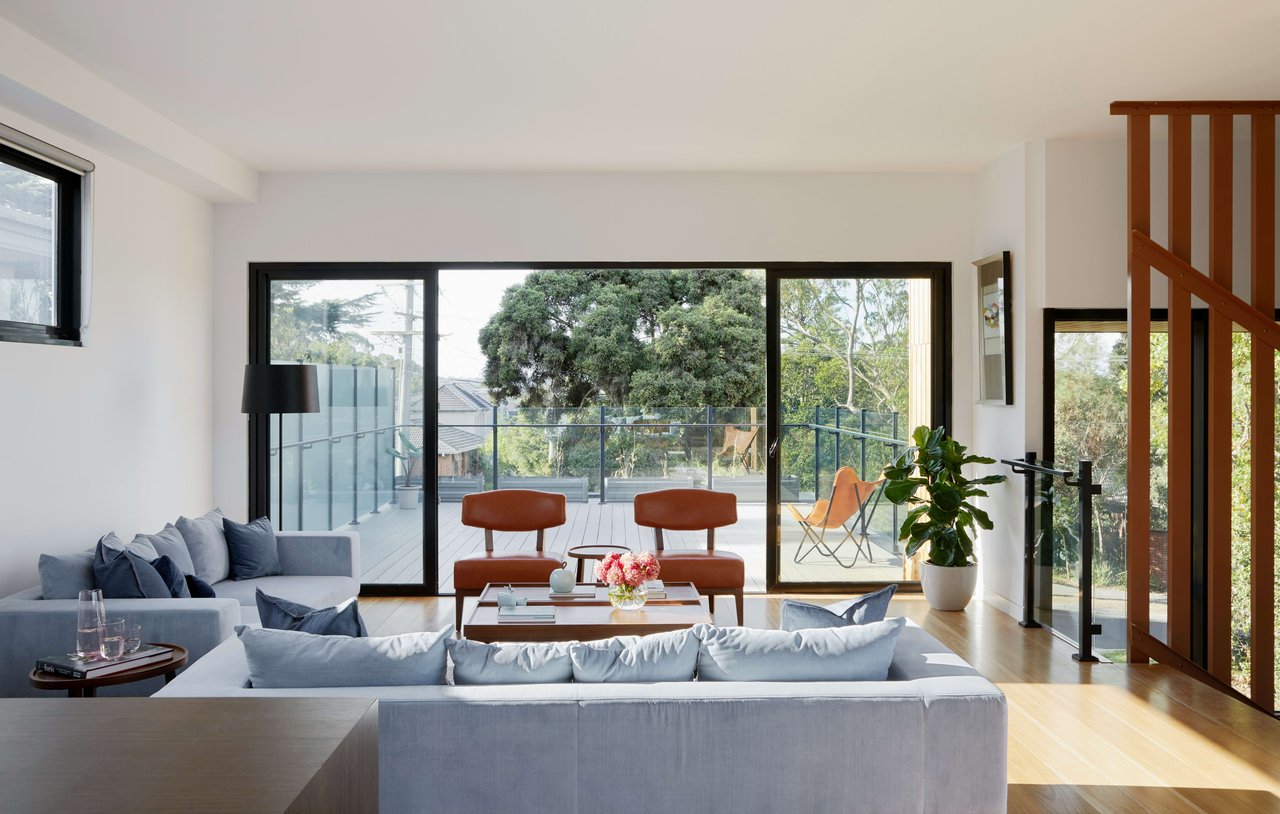
Reduce anything that interrupts the view path. Oversized chairs, bulky side tables, extra stools, or crowded shelving can make an open-plan home feel tighter. A cleaner line of sight helps the space read as larger, calmer, and easier to live in.
Windows also deserve special attention. If possible, keep them uncovered or lightly dressed so natural light can do more of the work. In listing photos, bright rooms often feel more welcoming and more spacious.
Use fewer, better-scaled pieces
A common condo challenge is trying to fit too much furniture into a smaller footprint. Even beautiful pieces can hurt presentation if they are too large for the room. Buyers need to understand how the home functions, and scale plays a big role in that.
Try editing each room down to the essentials. A sofa, a well-sized coffee table, and one or two accent chairs often work better than a full furniture set. The room should feel useful, but it should also leave enough open space for easy movement.
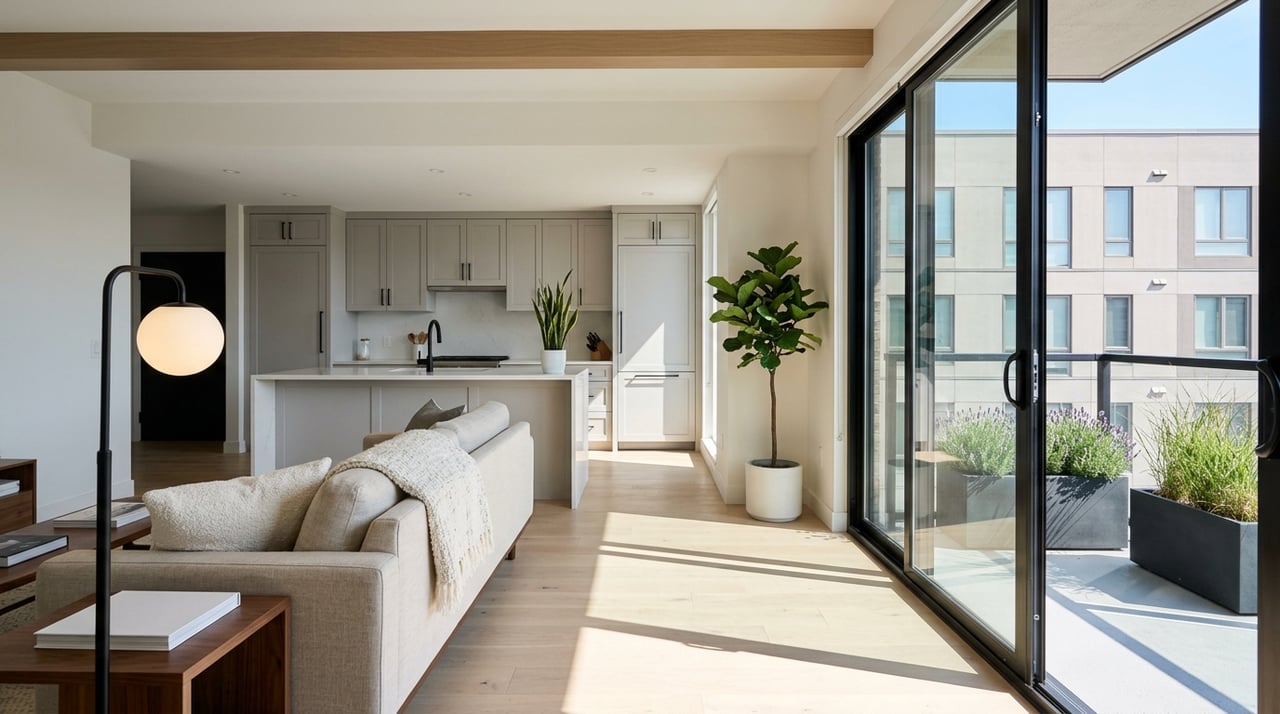
This is especially important in open-plan layouts. You want to define living, dining, and kitchen zones without blocking flow. A simpler arrangement helps buyers read the floor plan quickly, which is critical during a showing and in online photos.
Prioritize the rooms buyers notice most
Not every room needs the same level of effort. According to NAR’s staging data, the rooms most often staged are the living room, primary bedroom, dining room, and kitchen. Those are the spaces where your prep work is most likely to pay off.
Living room
Your living room often carries the listing visually. It should feel open, comfortable, and easy to imagine using every day. Clear surfaces, remove extra decor, and choose a few intentional accessories instead of many small items.
Primary bedroom
A primary bedroom should feel restful and simple. Fresh bedding, coordinated pillows, and reduced personal items can make the room feel more polished. If the room is tight, removing one piece of furniture can improve the sense of space.
Kitchen and dining area
In many Downtown Boulder condos, the kitchen and dining area connect directly to the main living space. Clear counters, minimize countertop appliances, and keep dining furniture scaled to the room. Buyers should notice the layout and finishes, not clutter.
Declutter with purpose
Decluttering is not just about tidiness. It is about helping buyers understand the space. Every object you remove gives the room more visual breathing room.
Start with surfaces. Kitchen counters, bathroom vanities, bedside tables, and entry consoles should feel edited and intentional. Closets also matter, and keeping them about half full can help storage look more usable.
Personal items should be reduced as well. Family photos, highly specific collections, and too many decorative accessories can make it harder for buyers to focus on the home itself. The goal is warmth without visual noise.
Keep the condo photo-ready first
Many buyers will see your home online before they ever step inside. That means prep should begin with what will show best in photos, not just what feels fine in daily life. If the condo does not photograph as clean, light, and well laid out, buyers may move on.
Photographing the home before it goes live can also help you catch issues. You may notice a corner that still feels cluttered, a rug that cuts a room in half, or furniture that looks heavier on camera than it does in person. A design-led review before listing can improve those details.
Treat the balcony like living space
If your condo has a balcony, it should feel like an asset, not a storage zone. Even a compact outdoor area can add value when buyers can picture it as usable space.
A small seating vignette, simple greenery, and a clear floor can help the balcony feel like an extension of the home. In Downtown Boulder, that lifestyle story matters because buyers are often choosing not just a unit, but a walkable urban routine.
Before making any visible changes, review your HOA documents. Colorado notes that restrictive covenants can limit what owners can do, and if your building is in the Downtown Historic District or a related review area, visible exterior changes may also need to remain sensitive to the area’s historic character.
Gather HOA documents early
Condo buyers usually look closely at HOA details, and being ready early can make the listing process smoother. Colorado’s HOA Center advises consumers to review governing and financial documents and to understand insurance, maintenance, special assessments, management, and the association’s financial health.
As a seller, that means you should assemble your paperwork before the home goes live. It helps you answer questions clearly and reduces delays once a serious buyer appears.
What to gather before listing
- HOA governing documents
- HOA financial documents
- Management company information
- Insurance details
- Information about maintenance responsibilities
- Any known rule issues or special assessment concerns
Tell the right Downtown Boulder story
A Downtown Boulder condo is rarely just about square footage. For many buyers, the real value is the lifestyle that comes with the location. The city describes downtown as a district centered on shopping, lodging, restaurants, services, entertainment, and events, with Pearl Street Mall as a four-block pedestrian destination.
That makes your marketing story especially important. A strong listing should connect design, convenience, and low-maintenance living. When buyers can imagine walking to coffee, dinner, events, or transit, the home often feels more compelling than the floor plan alone can show.
Know what “enough” prep looks like
You do not always need full-service staging to make a condo more marketable. NAR supports both full staging and consultation-based staging, and the minimum effective work is often decluttering, neutralizing, and improving scale and flow.
In practical terms, enough prep usually means:
- Removing bulky or excess furniture
- Neutralizing overly bold decor choices
- Using fresh bedding and towels
- Editing closets and storage areas
- Cleaning thoroughly
- Making the most visible spaces photo-ready first
If the property is vacant or the layout is hard to read, more complete staging may make sense. If it is occupied and already well maintained, strategic styling and layout edits may be enough.
Be thoughtful with virtual staging
Virtual staging can help buyers understand a vacant room, but it should be used carefully. If images materially alter the property, that should be clearly disclosed in the listing.
The bigger point is this: virtual staging works best as support, not as a substitute for real preparation. If the actual unit feels cluttered, dark, or awkward in person, buyer confidence can drop quickly.
Design-led prep can change the outcome
When buyers have choices, presentation becomes part of the pricing conversation. A condo that looks bright, intentional, and easy to live in can create a stronger first impression, encourage better engagement online, and support a more confident offer.
That is where a design-led strategy stands apart. Instead of spending blindly, you focus on the changes that help buyers see the home clearly. In Downtown Boulder, where lifestyle and presentation both matter, that approach can give your listing a sharper edge.
If you are getting ready to sell, a thoughtful prep plan can help you decide what to edit, what to style, and what to leave alone. For a personalized strategy, connect with Debby Caplin Real Estate dba Bolder By Design for your instant home valuation + design consult.
FAQs
How much staging does a Downtown Boulder condo need before listing?
- In most cases, the most effective baseline is decluttering, neutralizing decor, improving furniture scale, and making the living room, primary bedroom, kitchen, and dining area show well in photos and in person.
Which rooms matter most when selling a Downtown Boulder condo?
- The highest-priority rooms are typically the living room first, then the primary bedroom, kitchen, and dining area, based on national staging data.
Can you use virtual staging for a Downtown Boulder condo listing?
- Yes, but if the images materially alter the property, the listing should clearly disclose that the photos have been virtually staged.
What HOA documents should you gather before selling a Boulder condo?
- You should gather HOA governing documents, financial documents, management information, insurance details, maintenance information, and any known rule or special assessment issues.
Can you update a condo balcony before listing in Downtown Boulder?
- Maybe, but you should check your HOA rules first, and if the property is in the Downtown Historic District or a related review area, visible changes may need to remain sensitive to the area’s historic character.