A luxury home can be deeply personal. It may hold a significant art collection, a carefully designed interior, a family routine that deserves protection, or simply a level of privacy that a public listing cannot provide. Selling a luxury home discreetly does not mean settling for less exposure or less value. It means being intentional about who sees the property, how the story is presented, and when details are shared.
For Boulder homeowners, discretion is often a thoughtful business decision rather than a secretive one. The right approach can create meaningful buyer interest while preserving your privacy, protecting your time, and maintaining control over the process.
Decide What Discretion Means for Your Sale
A discreet sale is not one-size-fits-all. Some sellers want to keep their address and photographs off public real estate websites. Others are comfortable with a public listing but want carefully managed showings, limited open-house activity, and a clear screening process for prospective buyers.
The first conversation should clarify what you are protecting. Privacy may involve your identity, your daily schedule, the home’s interiors, security features, family information, or the fact that the property is available at all. Those priorities shape the marketing plan, showing protocol, and communication strategy.
A completely private, off-market sale can be appropriate when confidentiality is the overriding concern. Yet there is a trade-off: fewer buyers know the home is available, which can reduce competitive pressure. In many cases, a selective marketing strategy offers a better balance. The property is introduced first to a qualified network of buyers and trusted local agents, then broader exposure is considered if the right offer does not emerge.
Prepare the Home Without Making It Feel Staged
Discreet does not mean underprepared. Sophisticated buyers notice the condition of a home immediately, especially in Boulder’s upper-end market, where architectural quality, views, outdoor living, and design details all influence perceived value.
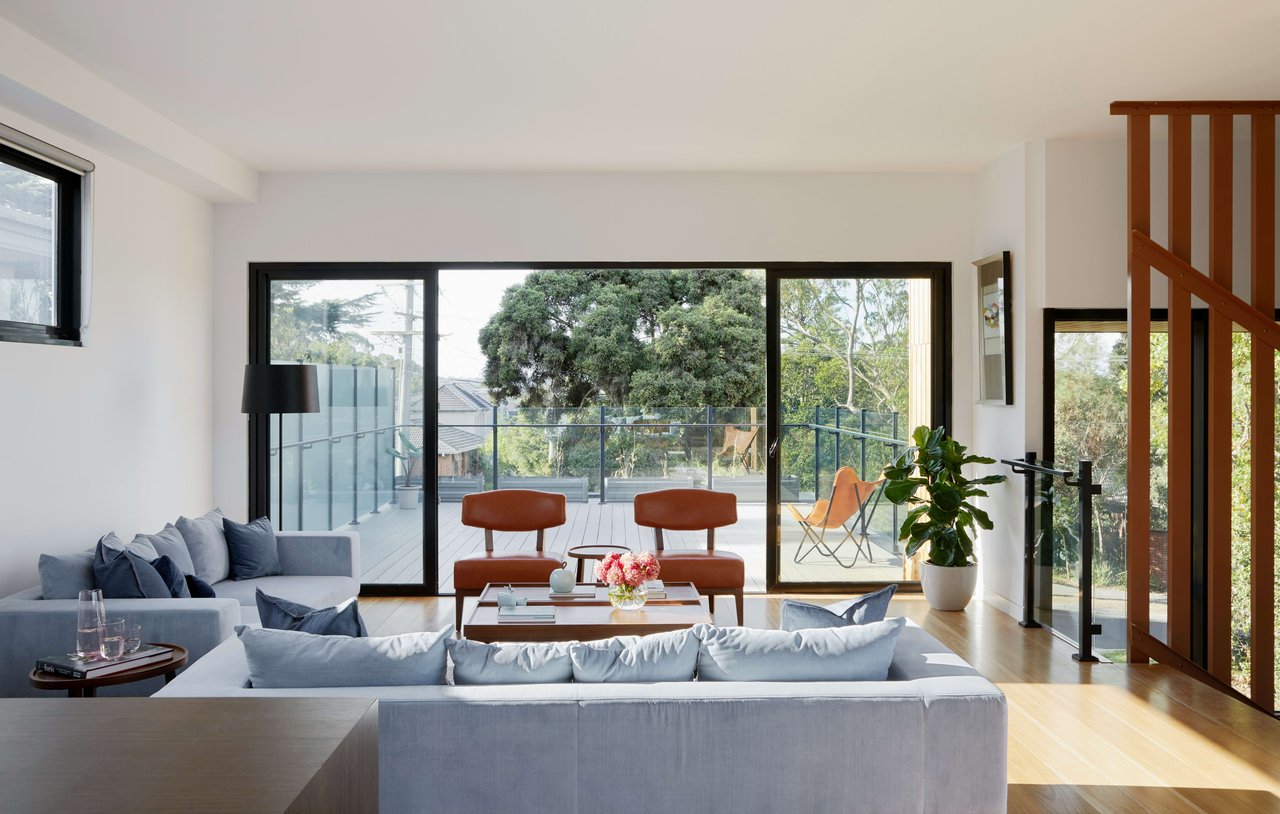
Preparation should be precise rather than excessive. Address deferred maintenance, refresh areas that distract from the home’s strengths, and edit personal belongings that make it difficult for a buyer to envision the space. This is especially valuable in homes with distinctive interiors. A thoughtful design perspective can preserve the property’s character while allowing its best features to read clearly.
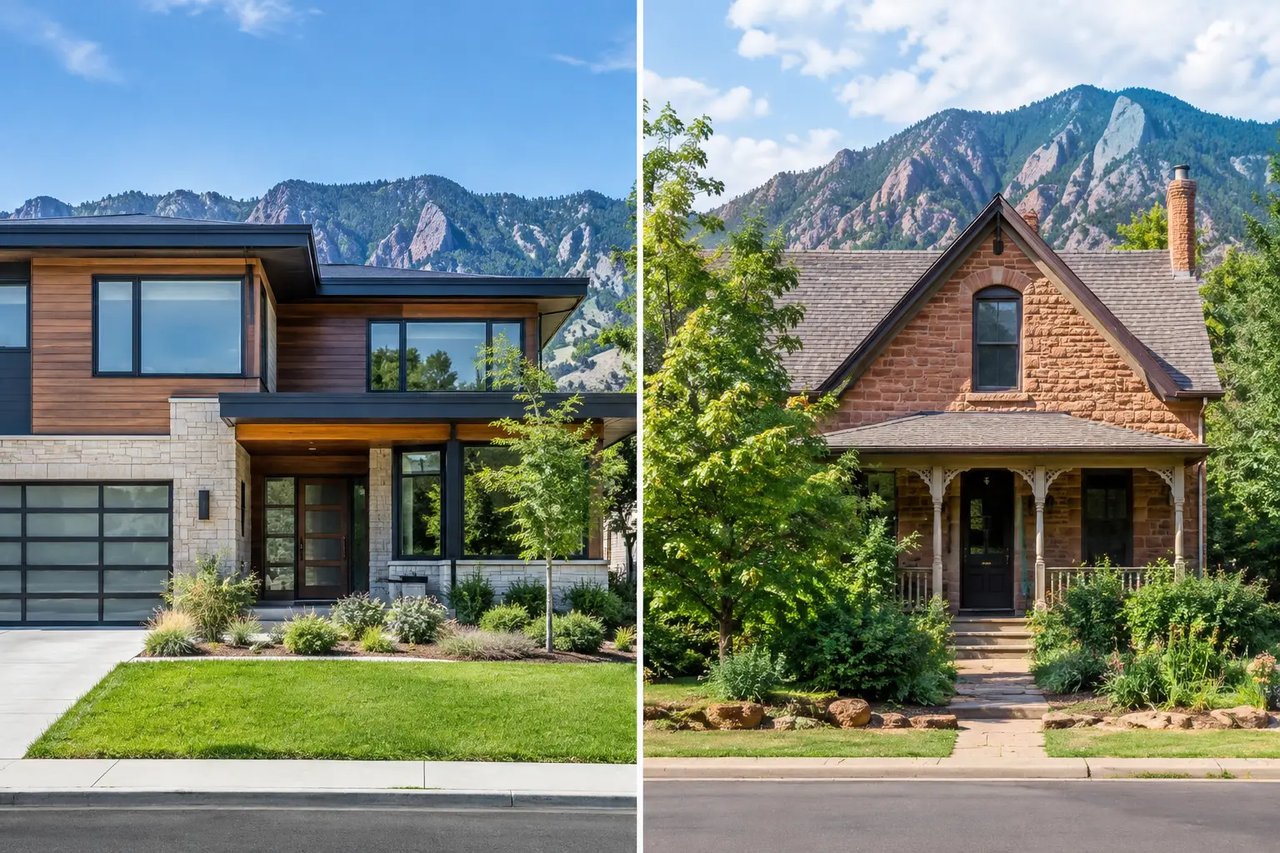
Not every luxury property needs a major renovation before sale. In a well-located home near Mapleton Hill, Wonderland Lake, or Pine Brook Hill, the location and setting may carry substantial weight. In another property, updating lighting, refinishing floors, or improving landscaping may materially strengthen the presentation. The goal is to invest where buyers will see and feel the difference.
Security also deserves attention before marketing begins. Remove documents, medications, heirlooms, and easily portable valuables. Consider storing highly personal artwork or collections if they could identify you or create a distraction. A professional plan should account for security without making the home feel empty or impersonal.
Price for a Qualified Audience, Not a Broad Audience
Pricing is one of the most private decisions in a luxury sale. An inflated price can leave a home lingering on the market, inviting speculation and repeated disruptions. A price that is too conservative may create speed at the expense of your financial goals.
The strongest strategy starts with a careful valuation that goes beyond square footage and recent sales. In luxury real estate, a buyer may pay a premium for an exceptional setting, a protected view corridor, architectural provenance, refined finishes, or an unusually functional floor plan. At the same time, highly personal upgrades do not always translate dollar-for-dollar to market value.
A clear pricing recommendation should explain both the numbers and the buyer psychology behind them. The question is not simply, “What is the home worth?” It is, “What will compel the right buyer to act with confidence?” That distinction matters when the buyer pool is smaller and more discerning.
Build a Controlled Buyer Network
The most effective discreet sales are rarely passive. They depend on a well-developed network and purposeful outreach.
A qualified agent can introduce the opportunity to trusted buyer representatives, past clients, relocation contacts, and individuals actively seeking a home in the relevant price range and neighborhood. The initial information can be limited: a brief description of the property, general location, price guidance, and the elements that make it compelling. More detailed materials are shared only after the buyer has been vetted.
Qualification should be respectful and consistent. Buyers may be asked to provide proof of funds, lender verification, or confirmation that they are working with an established agent before a private showing is scheduled. This is not about creating barriers. It is about protecting the homeowner from curiosity-driven visits while giving serious buyers the attention they expect.
For certain properties, a confidential property brochure, private video, or invitation-only preview may be more effective than public advertising. For others, a full digital launch is the wiser choice after a quiet-market period. The strategy should follow the property and the seller’s priorities, not a standard formula.
Control the Showing Experience
A private showing should feel calm, informed, and well managed. Appointments are scheduled individually, with enough time for buyers to experience the home without overlap or pressure. A showing plan can specify which areas are available, whether photography is permitted, how visitors enter, and how feedback will be collected.
If the home is occupied, timing matters. Sellers should not have to rearrange their lives for every request. Establish designated showing windows whenever possible, and require adequate notice. For a second home or an estate property, an agent can coordinate access, lighting, temperature, and presentation so the home is ready without unnecessary owner involvement.
It is also wise to decide in advance how much detail to reveal about features such as security systems, smart-home controls, private access routes, or personal possessions. These elements can add value, but they should be discussed with legitimate buyers at the appropriate stage of due diligence.
Keep Negotiations Private and Strategic
Discretion continues after an offer arrives. In a luxury transaction, terms often matter as much as price. Closing timing, financing structure, contingencies, furniture requests, leasebacks, repair expectations, and confidentiality provisions can all affect the strength of an offer.
A skilled negotiation process protects your leverage while keeping communication clear. The objective is not simply to accept the highest number. It is to choose the buyer and terms most likely to close smoothly, with minimal disruption and appropriate protections for your interests.
When multiple interested parties emerge, careful management can create competition without public drama. Buyers should understand that the home is receiving serious attention, but sellers do not need to disclose personal circumstances or more information than the situation requires. A measured approach keeps the focus where it belongs: on the value of the property and the quality of the offer.
Know When Privacy Should Give Way to Reach
There is a point when a broader launch may serve you better. If a private campaign has generated interest but not a compelling offer, expanding exposure can bring in buyers who were not reached through direct networks. This does not mean abandoning privacy altogether.
A public listing can still be carefully managed with professional photography, selective showing requirements, no open houses, and communication protocols that respect your home and schedule. In many cases, the strongest outcome comes from starting quietly, learning from the initial response, then making a confident and polished market debut if needed.
The decision should be based on feedback, activity, market conditions, and your timeline. A seller with flexibility may prefer to wait for a very specific buyer. Someone preparing for a relocation or purchase may value certainty and a defined launch plan. Both are valid priorities.
A discreet luxury sale works best when it feels neither hidden nor hurried. With thoughtful preparation, a refined presentation, and a trusted advocate managing every conversation, you can protect what is personal while giving the right buyer every reason to recognize the value of your home.