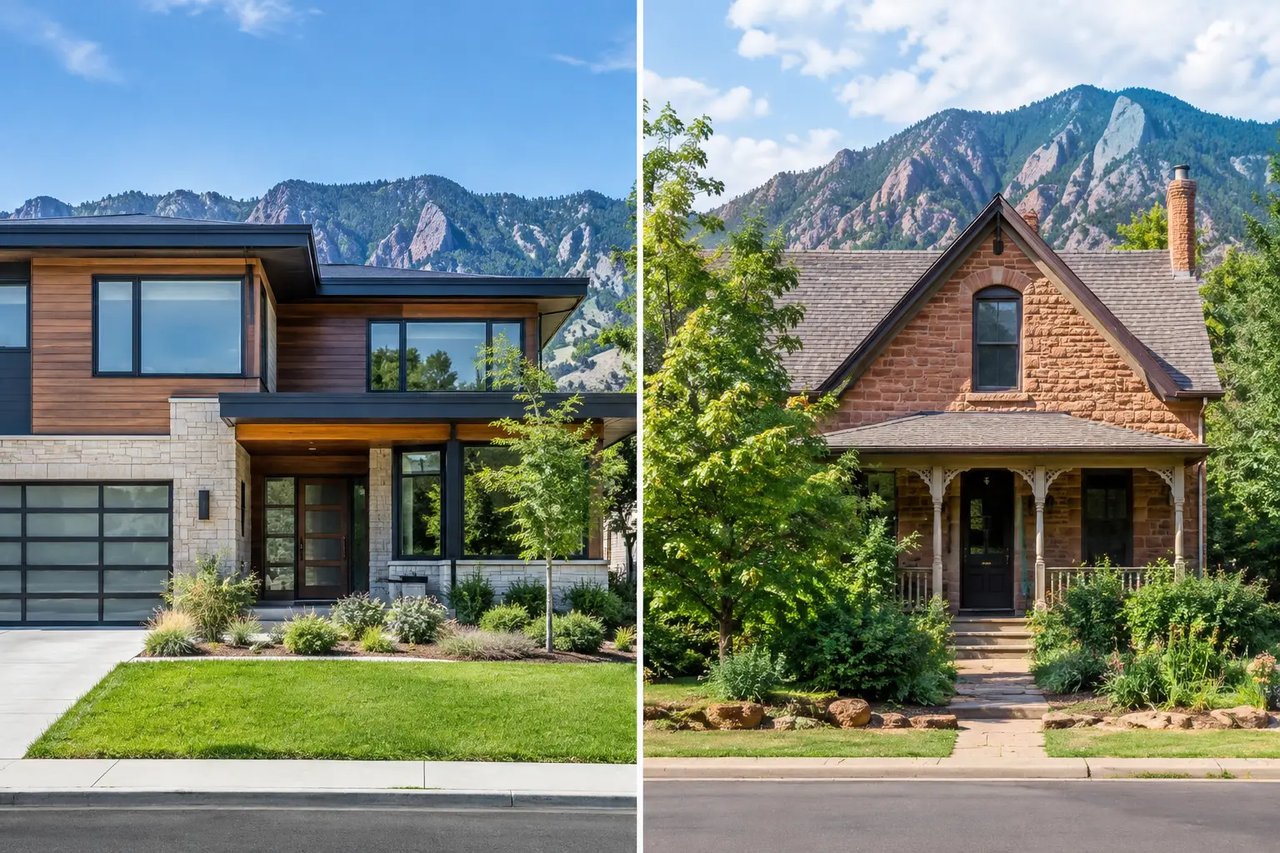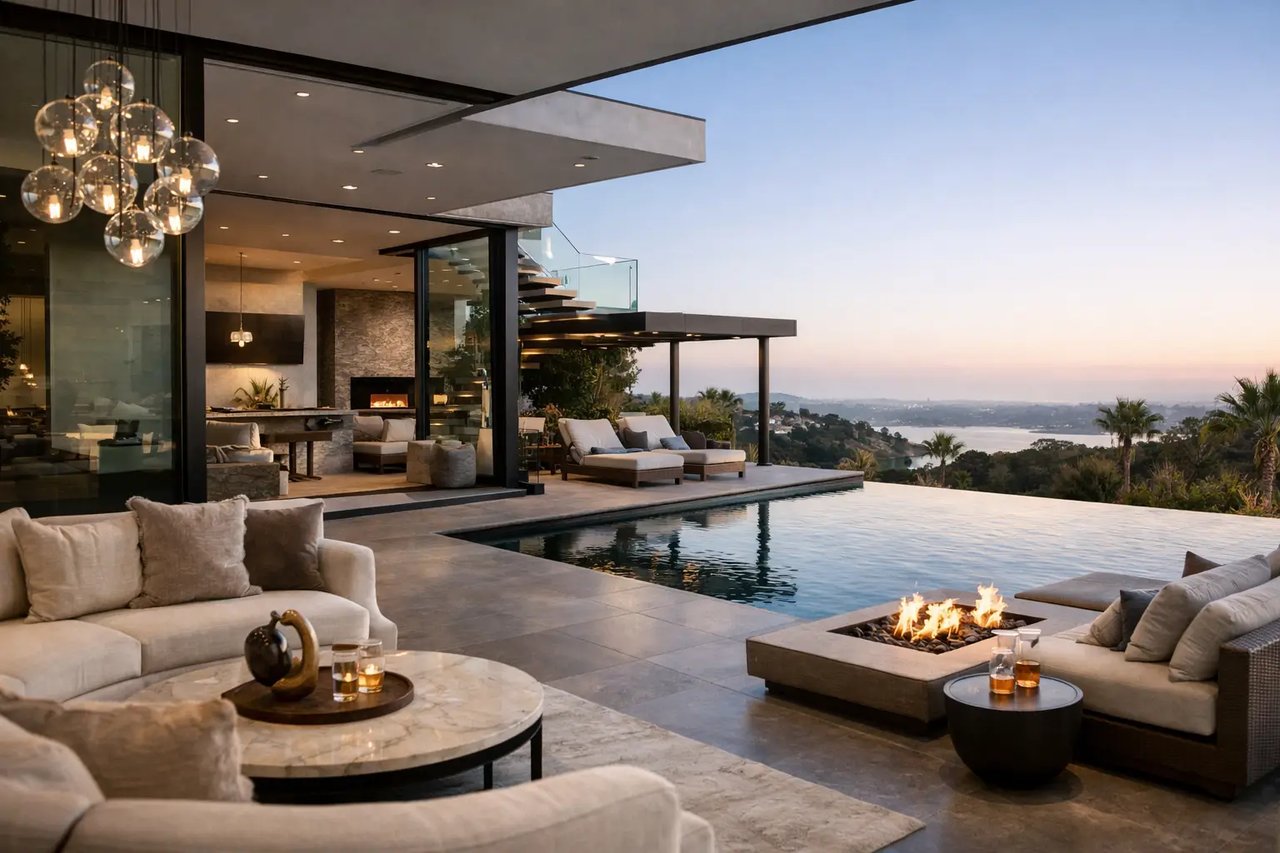
A luxury home can still stop you in your tracks with scale, glass, and dramatic finishes. But the homes that feel truly current right now tend to do something more subtle. They balance beauty with comfort, presence with privacy, and high design with the way people actually want to live. That shift is shaping luxury home design trends in ways that matter not only for style, but also for resale, daily function, and how a property feels the moment you walk in.
For buyers and sellers in the upper tier of the market, this is where design becomes more than decoration. It influences perceived value, emotional connection, and whether a home feels dated, timeless, or ready for its next chapter.
Luxury home design trends are getting warmer
For years, luxury often leaned crisp and cool. Bright white walls, sharp black accents, and highly polished surfaces signaled sophistication. That look still has a place, but many high-end homes are moving toward a softer expression of luxury.
Warmer woods, natural stone with visible movement, textured plaster, and layered neutral palettes are replacing spaces that once felt a little too stark. Instead of trying to impress with contrast alone, today’s interiors are more interested in depth. Walnut cabinetry, creamy limestone, hand-finished oak floors, and muted earth tones create rooms that feel settled and inviting.
This does not mean formal design is gone. It means luxury is becoming less performative. The most appealing homes now often feel edited rather than flashy. They have quality you can see, but also quality you can feel.
For sellers, this is one of the clearest design signals to pay attention to. A home that reads warm and refined often reaches a broader luxury audience than one built around a colder, trend-specific palette. For buyers, it is worth asking whether a home’s finishes have longevity or whether they belong to a very specific design moment that may soon pass.
Wellness is now part of the design brief
One of the most meaningful luxury home design trends is the rise of wellness-focused spaces. Not as a gimmick, and not only in sprawling estates, but as an integrated part of thoughtful home design.
Primary suites are becoming more restorative, with spa-style bathrooms, better lighting, and materials chosen for calm rather than drama. Home gyms are more polished and permanent than the improvised workout rooms of a few years ago. Saunas, cold plunge setups, meditation rooms, and air and water filtration systems are showing up more often because buyers increasingly see them as part of a healthy lifestyle, not a novelty.
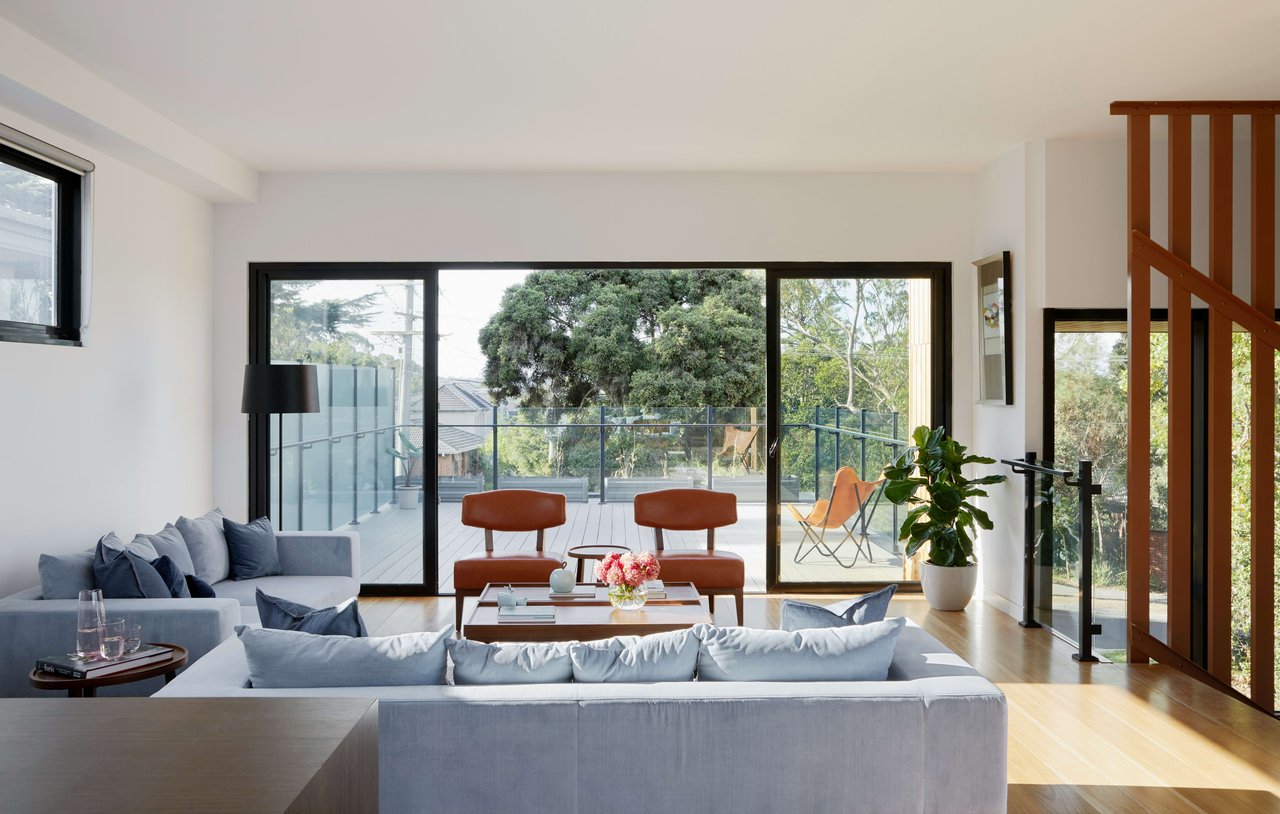
There is also a quieter side to this trend. Better acoustics, more natural light, and stronger indoor-outdoor connections all support the same goal. A luxury home should not only look beautiful in photos. It should help its owners feel better living there.
That said, it depends on the property and the buyer profile. A dedicated massage room may sound appealing, but flexible space often wins if square footage is limited. The strongest wellness features are the ones that feel useful to many people, not hyper-customized to one routine.
Privacy is part of comfort
As homes have become more multifunctional, privacy has become a premium feature. This can show up in floor plans with better separation between entertaining areas and bedroom wings, discreet home offices, guest quarters, or outdoor spaces designed to feel sheltered without sacrificing light.
In luxury markets, privacy is emotional as much as architectural. People want places where they can host, work, recharge, and spend time with family without feeling exposed. Good design solves that elegantly.
Kitchens are less showpiece, more sanctuary
The luxury kitchen is still a focal point, but the tone is changing. Instead of a room that exists mainly to impress, the best kitchens now support real use while maintaining a tailored look.
You see more concealed storage, integrated appliances, and cabinetry that feels furniture-like rather than overtly utilitarian. Oversized islands remain popular, but often with more thoughtful detailing and less visual bulk. Back kitchens and prep pantries continue to hold appeal, especially for homeowners who entertain often and want the main kitchen to stay clean and composed.
Material choices are also becoming more nuanced. Highly veined stone still has an audience, but quieter slabs and honed finishes are gaining favor because they feel more enduring. Mixed metals, artisan lighting, and custom millwork add character without making the room feel busy.
For resale, kitchens still carry enormous weight. But expensive does not automatically mean appealing. A kitchen can be richly appointed and still miss the mark if it lacks warmth, storage, or a natural flow to adjacent spaces.
Outdoor living is expected, not extra
In many luxury markets, outdoor space has moved from desirable to essential. Buyers are looking for environments that extend daily life beyond the interior, and design is responding accordingly.
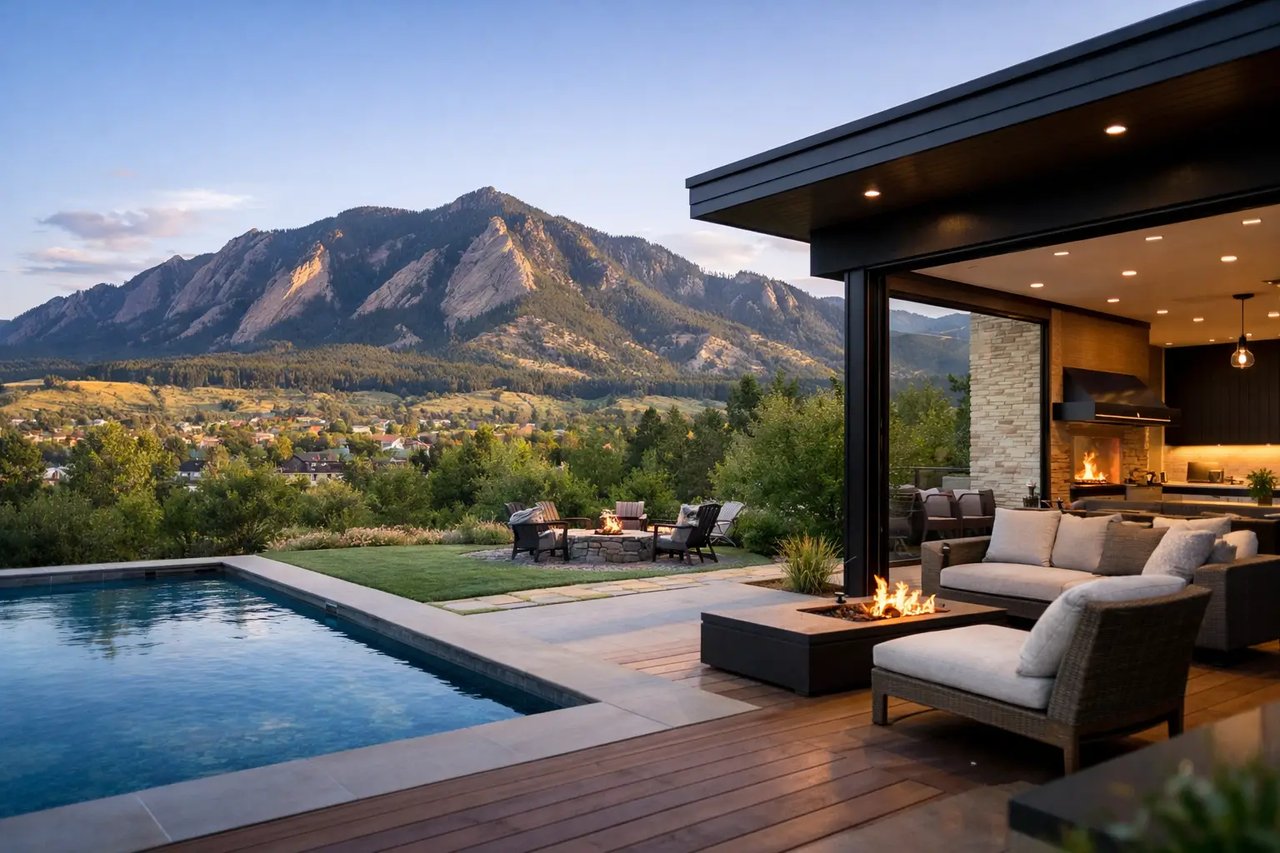
Covered terraces, heated dining areas, outdoor kitchens, fire features, and integrated landscape lighting all help make exteriors feel like intentional living spaces. In places where natural beauty is part of the lifestyle, the relationship between house and setting matters even more. The most successful homes frame views, create shelter from wind or sun, and make transitions feel easy.
This is one area where location really shapes the trend. In Boulder, for example, luxury buyers often care deeply about how a home engages with the outdoors. A property that captures mountain views but ignores comfort on the terrace may feel less complete than one with a more modest footprint and a beautifully usable connection to the landscape.
Sustainability has matured
Sustainability in luxury design is no longer about making a visual statement with obvious eco cues. It is becoming quieter, smarter, and more integrated.
High-performance windows, better insulation, energy-efficient systems, drought-conscious landscaping, and durable natural materials all support a more responsible and comfortable home. Solar can be a meaningful asset when thoughtfully incorporated. So can smart home systems that improve energy management without turning the house into a technology demo.
The trade-off is that not every green upgrade carries equal market appeal. Buyers tend to appreciate sustainability most when it also improves comfort, lowers maintenance, or protects long-term value. Design choices that feel preachy or overly experimental can narrow the audience. The goal is intelligent performance wrapped in beautiful execution.
Customization matters, but flexibility wins
Personalization remains a hallmark of luxury. Bespoke millwork, statement stone, curated lighting, and one-of-a-kind architectural details continue to separate exceptional homes from generic ones. But there is a fine line between distinctive and overdetermined.
A home theater with velvet walls might thrill one buyer and feel like a renovation project to another. A wine room can add sophistication, but only if it is integrated in a way that enhances the overall home. The same goes for highly stylized wallpaper, niche hobby rooms, or dramatic color choices.
The most resilient luxury home design trends leave room for interpretation. They provide a strong design point of view while allowing future owners to imagine themselves in the space. That balance is especially important for sellers preparing a home for market. Buyers at this level appreciate quality and character, but they also want to see possibility.
What these trends mean for buyers and sellers
For buyers, design should be evaluated with both emotion and discipline. It is easy to be swayed by a spectacular first impression, but the better question is whether the home’s design choices support how you want to live over time. Are the spaces calming or demanding? Do the finishes feel lasting? Is the home adaptable enough for changing needs?
For sellers, thoughtful updates can absolutely strengthen market position, but chasing every trend is rarely the right move. Strategic improvements tend to outperform cosmetic overcorrection. Warmth, material quality, lighting, flow, and outdoor usability usually matter more than novelty.
This is where experienced guidance makes a difference. The right design decisions are not just about style. They are about understanding buyer expectations, neighborhood context, and what creates value in a specific home.
Luxury design is moving toward homes that feel deeply considered rather than simply expensive. That is good news for anyone who believes a beautiful property should also feel personal, livable, and lasting. The most compelling homes ahead will not be the ones trying hardest to look luxurious. They will be the ones that make luxury feel effortless.