A home can have a chef's kitchen, beautiful light, and custom finishes, yet still underperform if it misses on the factors buyers care about most. That is why understanding what affects home value is not just useful when you are ready to sell. It also shapes smarter renovations, better pricing decisions, and more confident buying.
Home value is never based on one feature alone. It is the result of market conditions, property details, neighborhood dynamics, and buyer psychology meeting at the same moment. In a place like Boulder, where lifestyle and location carry real weight, value is often as much about how a home lives as what it includes on paper.
What affects home value the most?
The short answer is location, condition, size, layout, and market demand. But the longer answer is more interesting, because these factors do not carry equal weight in every situation.
A beautifully updated home in a less desirable micro-location may still trail a dated home on a coveted street. A larger house does not always win if the floor plan feels awkward. High-end improvements can add value, but only when they match what buyers in that price range expect. The strongest valuations come from looking at the whole picture rather than chasing a single rule.
Location still leads the conversation
Real estate professionals say location first for a reason. Buyers can repaint walls, renovate kitchens, and redesign outdoor spaces. They cannot move the lot, change the street, or recreate a neighborhood's character.
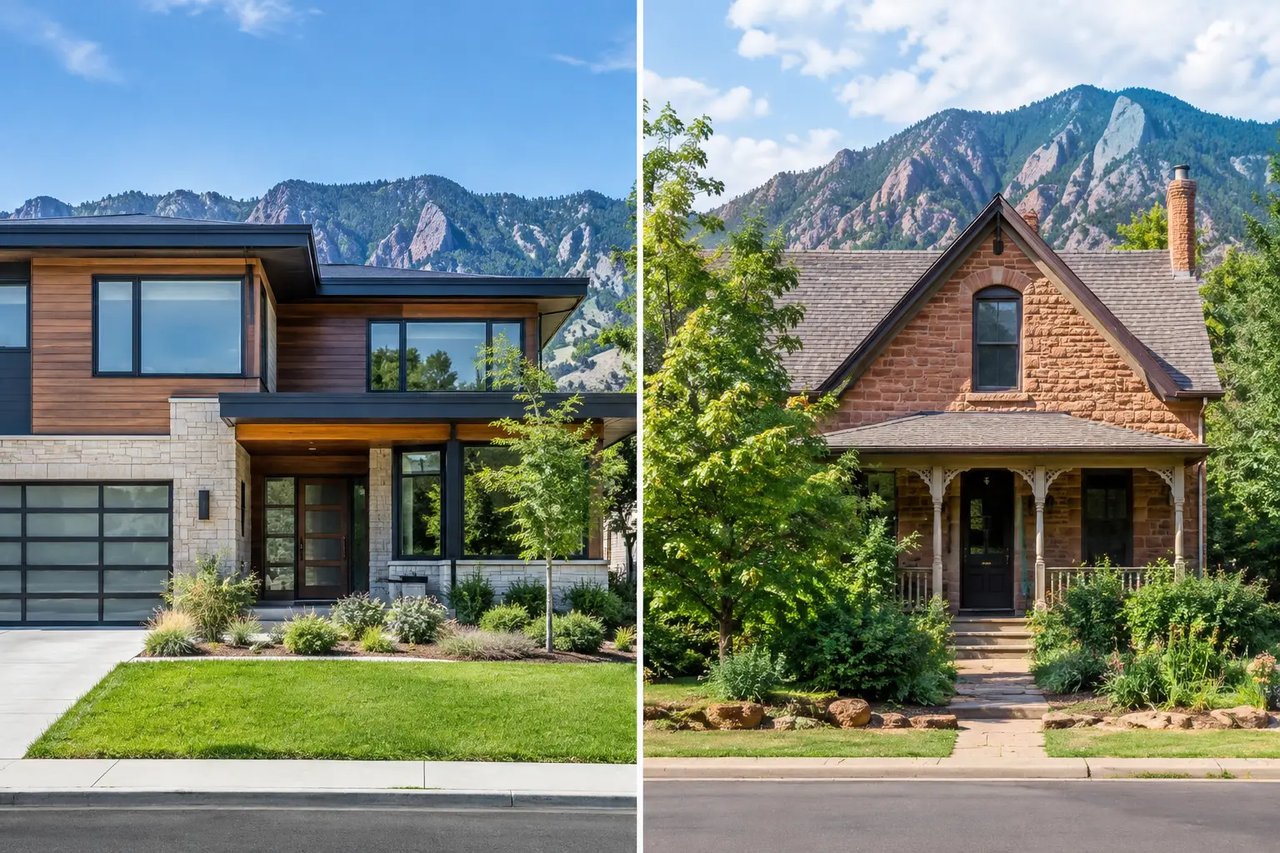
In Boulder, location means more than a zip code. It often comes down to block-by-block differences, access to trails, mountain views, walkability, school proximity, traffic patterns, and how the home sits within the neighborhood. A property near Downtown may appeal to buyers who want restaurants and a more connected lifestyle. A home near Wonderland Lake or Mapleton Hill may attract buyers who place a premium on scenery, architecture, and neighborhood identity.
Even within the same neighborhood, value can shift based on the specifics. Corner lots, adjacency to busier roads, privacy, solar exposure, and lot orientation all matter. A home with strong indoor-outdoor flow and flat usable land may command more interest than a similar home with a challenging site.
Condition and maintenance matter more than many owners expect
Buyers notice deferred maintenance quickly, especially in higher price points. Small issues suggest bigger ones, whether that is fair or not. Peeling paint, worn flooring, old windows, dated baths, or a tired exterior can affect value because buyers start calculating cost, time, and inconvenience.
This does not mean every home needs a full remodel before it goes on the market. Often, the best return comes from thoughtful preparation rather than expensive overhauls. Cleanliness, fresh paint, lighting, landscaping, and minor repairs can change the way a property feels. Presentation influences perceived value, and perceived value often influences offers.
Condition also includes systems buyers cannot always see at first glance. Roof age, HVAC performance, plumbing, electrical updates, and structural integrity all shape value. In competitive markets, buyers may tolerate cosmetic work. They are usually less enthusiastic about major unknowns.
Size helps, but layout often wins
Square footage is a key valuation metric, but it is not the whole story. Two homes with the same size can perform very differently depending on how that space is used.
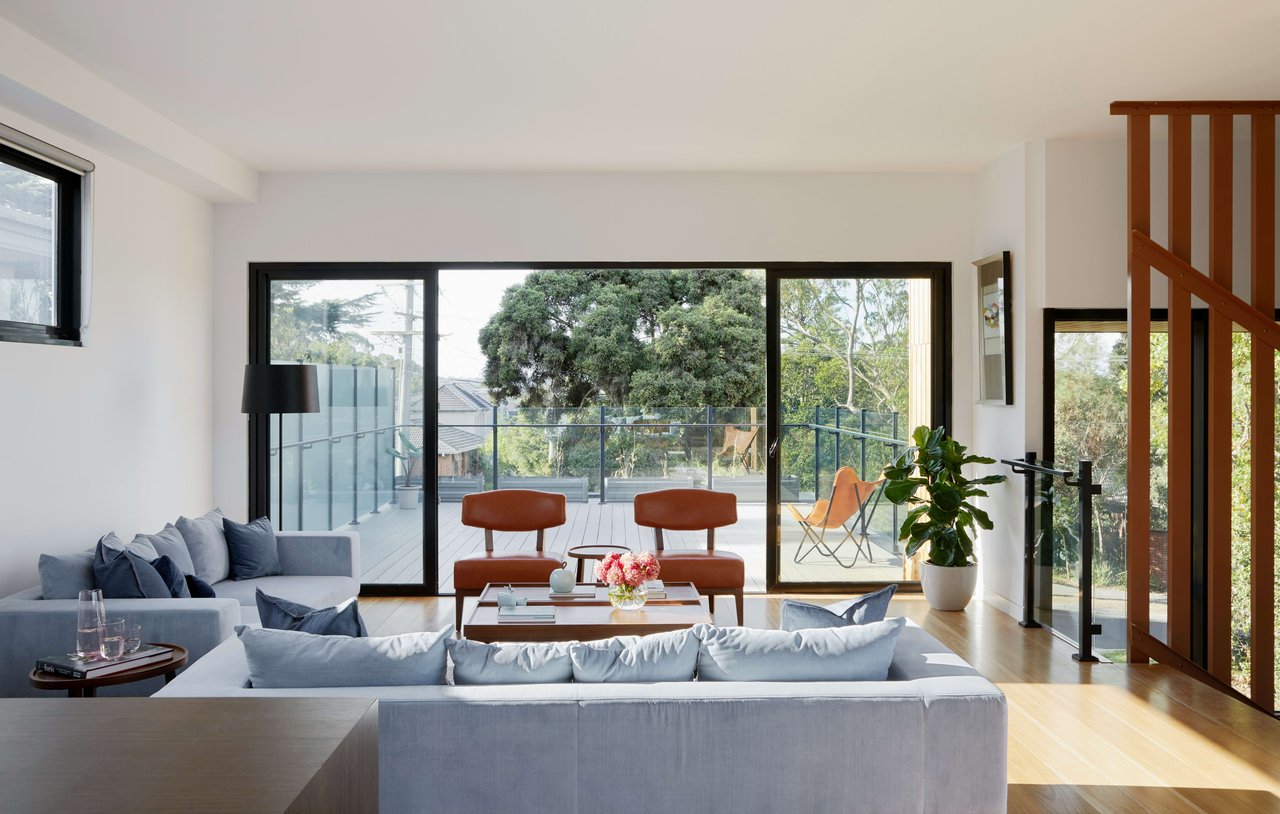
A home with generous common areas, good bedroom separation, natural light, and practical storage often feels more valuable than a larger home with choppy rooms or awkward circulation. Buyers tend to respond to flow. They imagine daily life in the home, not just the numbers in the listing.
This is especially true for luxury buyers, who expect more than scale. They want comfort, proportion, and spaces that feel intentional. A formal dining room that rarely gets used may carry less value than a flexible office, guest suite, or well-designed mudroom. In other words, function can quietly outperform sheer size.
Updates add value when they fit the home and the market
Not all renovations pay off equally. Kitchens and bathrooms usually matter because they are expensive, visible, and tied closely to lifestyle. But quality, design choices, and consistency matter just as much as the fact that something is updated.
A well-executed renovation that suits the home's architecture can elevate value. A trendy remodel that feels disconnected from the property may not. Buyers notice when materials, scale, and finishes feel thoughtful versus forced.
There is also a ceiling. Over-improving for the neighborhood can limit your return. If surrounding homes do not support a much higher price point, even beautiful updates may not translate dollar for dollar. The best improvements are the ones that meet or slightly exceed local buyer expectations without drifting too far beyond them.
Design and style influence emotional value
This is one of the more underestimated factors. Buyers often make decisions emotionally first and justify them logically after. A home that feels warm, polished, and visually cohesive tends to create stronger demand.
Design does not mean expensive staging tricks or a one-size-fits-all aesthetic. It means proportion, light, color, materials, and a sense of ease. Homes that photograph well and show well usually earn more attention. More attention can mean more competition, and more competition can lift price.
In markets where architecture and lifestyle matter, design can be especially influential. A home with clean lines, a strong connection to the outdoors, and an edited finish palette may stand out more than one with similar square footage but less clarity and cohesion.
Lot characteristics can shift value dramatically
The land itself can be a major part of what affects home value. Lot size matters, but usability often matters more. Buyers tend to pay a premium for outdoor space that is private, level, and easy to enjoy.
Views, mature trees, setbacks from neighbors, and room for entertaining all shape desirability. In some cases, a smaller home on an exceptional lot may outperform a larger home on a compromised one. This is especially true where outdoor living is part of the appeal.
On the other hand, unusual lot challenges can reduce value. Steep grades, limited parking, awkward access, or low privacy may narrow the buyer pool. These issues do not make a property unsellable, but they often affect pricing.
Market timing and buyer demand always play a role
Value is not fixed. It moves with interest rates, inventory levels, seasonality, and buyer confidence. A home may be worth one number in a low-inventory spring market and something else in a slower cycle with more competition.
That is why online estimates often miss the mark. They may use broad data, but they cannot fully account for timing, presentation, or the nuance of current demand. In real life, value is what qualified buyers are willing to pay now, under current conditions.
Timing also affects which features buyers prioritize. In some markets, turnkey homes command a stronger premium because buyers want simplicity. In others, buyers become more price-sensitive and willing to take on projects in exchange for a better entry point.
Comparable sales matter, but they need interpretation
Recent comparable sales are central to pricing and valuation, but they are not all equally relevant. The closest comp on paper may not be the best comp in practice.
A useful comparison considers not just size and bedroom count, but also condition, lot, architecture, privacy, updates, view orientation, and overall appeal. A renovated home with refined finishes should not be measured the same way as a dated one, even if the numbers look similar at first glance.
This is where local expertise becomes essential. In nuanced neighborhoods, the difference between two streets or even two positions on the same street can be meaningful. Reading comps well is part analysis and part judgment.
What homeowners can control
Some value drivers are fixed. You cannot change the neighborhood or create mountain views where none exist. But owners do have influence over condition, presentation, strategic upgrades, and pricing.
The best approach is usually selective rather than sweeping. Address deferred maintenance first. Improve the areas buyers notice immediately. Think carefully before taking on major renovations solely for resale, especially if your taste is highly personal or the cost is unlikely to be recovered.
If you are selling, pricing deserves the same level of care as preparation. Even a strong home can lose momentum if it enters the market too high. Value is not just about what a property has. It is also about how clearly the price aligns with what buyers see and feel.
For buyers, understanding these same factors helps you recognize both immediate value and future potential. A home that is not perfect today may still be a smart purchase if the location is strong, the layout works, and the improvements are manageable.
The homes that hold value best are usually the ones that combine sound fundamentals with lasting appeal. If you want a clear picture of where a specific property stands, broad rules only go so far. The real answer is always more personal, more local, and more nuanced than an algorithm can tell you.