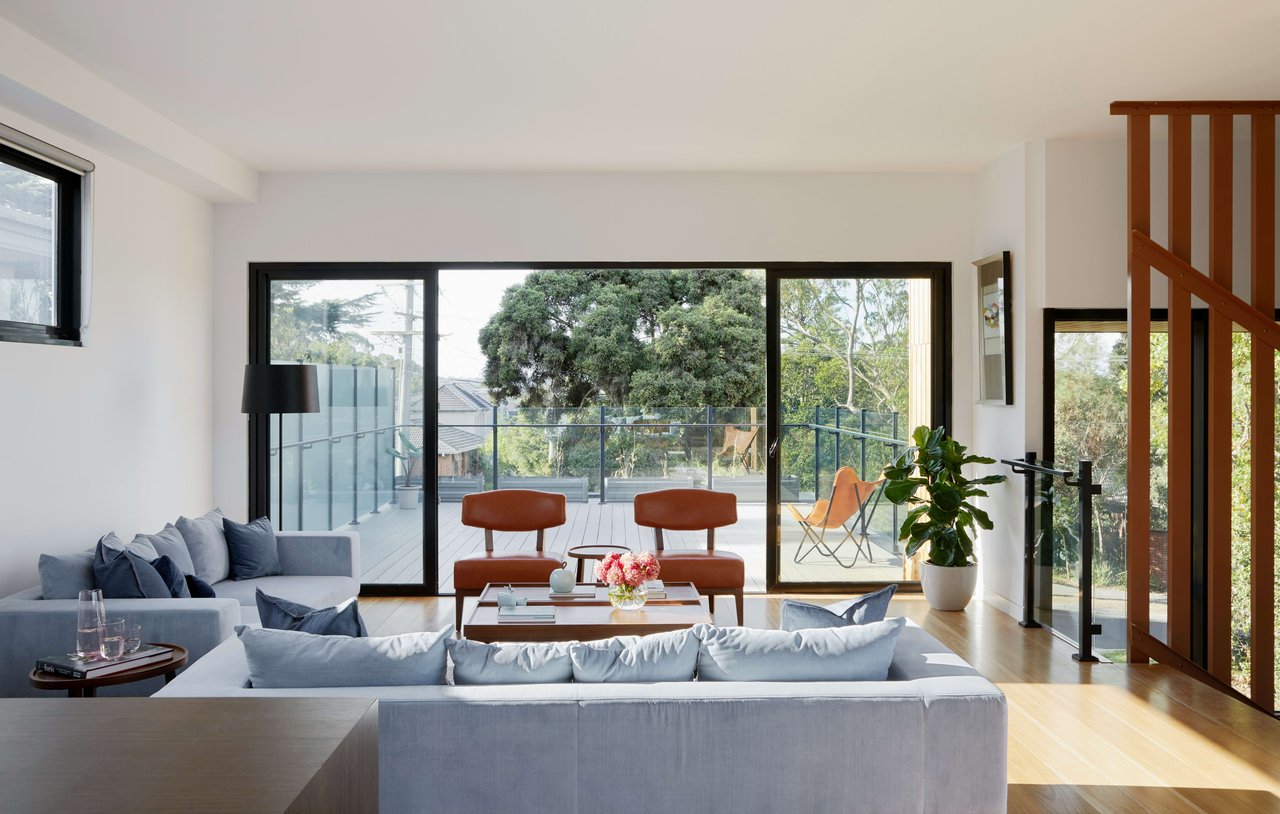
The right luxury home rarely announces itself with a price tag alone. It shows up in the way a floor plan lives, how the light moves through the main rooms, whether the setting feels private without feeling isolated, and whether the investment makes sense beyond first impressions. If you are wondering how to buy luxury homes well, the real question is how to make a smart, personal decision in a market where details carry real weight.
Luxury buyers usually have more options on paper than they do in practice. A home may photograph beautifully and still miss the mark in person. Another may need cosmetic changes but offer the kind of lot, location, and long-term value that is much harder to find. That is why buying at this level calls for more than access to listings. It requires judgment, preparation, and a clear sense of what matters most to you.
How to Buy Luxury Homes Starts With Priorities
Before touring homes, get specific about your version of luxury. For some buyers, that means architectural pedigree and custom finishes. For others, it means quiet, views, a walkable location, or room for guests, work, and recreation under one roof. Those are very different searches, and they lead to different neighborhoods, lot types, and price points.
This is where many buyers lose time. They begin with a broad wish list and end up comparing properties that do not belong in the same conversation. A historic home near Downtown offers a very different lifestyle than a private property tucked into the hills. Neither is better in the abstract. It depends on how you actually want to live.
It also helps to separate must-haves from preferences. Privacy, school access, a main-level primary suite, secure parking, guest quarters, or a lock-and-leave setup may be essential. A wine room or home gym may be desirable but not decisive. Clarity here strengthens every step that follows, from your home search to your negotiating strategy.
Get Financially Ready Before You Fall in Love
In luxury real estate, preparation shapes leverage. Sellers want to know a buyer is serious, capable, and ready to perform. That often means more than a standard pre-approval. Depending on the price point, you may need a stronger underwriting process, proof of funds, asset documentation, or a lending team comfortable with complex income structures.
Cash can be attractive, but it is not automatically the best move for every buyer. Some prefer to preserve liquidity, especially if they are balancing investments, business interests, or a second-home purchase. What matters is choosing a financing strategy that supports both the offer and your broader financial picture.
If you are relocating or purchasing after a significant liquidity event, timing can add another layer. You may be coordinating a sale elsewhere, tax planning, or trust considerations. Luxury purchases are often less linear than traditional transactions, which is one reason expert coordination matters.
Location Means More Than Prestige
A luxury address should support your daily life, not just your resale story. In Boulder and similar high-demand markets, micro-location can have a dramatic effect on both enjoyment and value. Two homes with similar square footage and finish levels may feel entirely different because of sun exposure, traffic flow, topography, access, or neighborhood character.
That is especially true in places where buyers care deeply about lifestyle. Some want immediate access to trails and open space. Others want a classic neighborhood setting, tree-lined streets, or proximity to restaurants and cultural spots. Buyers coming from out of state sometimes focus first on the home itself, then realize the neighborhood fit matters just as much.
A strong purchase balances the emotional pull of a property with the practical realities around it. Commute patterns, seasonal conditions, future development, privacy from neighboring homes, and even how guests arrive at the property can all affect how a home lives over time.
Look Beyond Finishes When Touring Luxury Properties
High-end materials can be persuasive, but they should not distract from fundamentals. Beautiful stone, custom millwork, and premium appliances matter, yet they are easier to change than layout, site orientation, ceiling height, or structural flow. The most successful buyers learn to distinguish surface luxury from lasting value.
As you tour, pay attention to scale and proportion. Does the home feel comfortable or oversized in ways that will limit everyday use? Are the entertaining spaces connected logically to the kitchen, outdoor areas, and guest accommodations? Does the primary suite feel private from the rest of the house? These questions often matter more than whether the current finishes match your exact taste.
Design potential matters too. A well-located home with strong bones may offer better long-term value than a fully styled property that leaves no room for personalization. This is one place where design insight becomes especially useful. A buyer who can see what can be refined, reconfigured, or elevated often has access to opportunities others overlook.
How to Buy Luxury Homes Without Missing Hidden Risks
Luxury homes can come with more complexity, not less. Larger lots, custom systems, specialty materials, guest houses, wine storage, extensive landscaping, pools, smart-home integrations, and hillside construction all deserve careful review. The inspection process should match the property, not follow a generic checklist.
A standard inspection is only the beginning. Depending on the home, you may also need roof evaluation, sewer scope, radon testing, structural review, HVAC specialists, pool inspection, or drainage and grading assessment. In mountain-adjacent or hillside settings, access and environmental conditions can also become part of the conversation.
Privacy is another area buyers often underestimate. A home may feel secluded during a brief showing and entirely different on a weekend afternoon or in another season. Window placement, neighboring elevations, landscaping maturity, and road approach all influence how private a property really is.
Then there is maintenance. Some buyers want a showpiece and are happy to support the upkeep that comes with it. Others want luxury with less friction. Neither approach is wrong, but the distinction is worth addressing before you buy. A stunning property that requires constant oversight may not suit a buyer who travels often or prefers a simpler ownership experience.
Negotiation at the Luxury Level Is More Nuanced
Luxury negotiation is rarely just about price. Terms, timing, contingencies, possession dates, included items, repair expectations, and confidentiality can all shape the outcome. Sellers at this level may be highly motivated, emotionally attached, or in no rush at all. Reading that dynamic matters.
This is where local market knowledge becomes especially valuable. Some luxury properties are priced aggressively and require quick, clean action. Others have room for negotiation because the buyer pool is narrower or the home has been positioned aspirationally. A good strategy reflects the property, the seller, and the competitive landscape, not a one-size-fits-all formula.
It is also worth recognizing when not to negotiate too hard. If a property is truly rare for its location, lot, design, or condition, protecting the deal may matter more than winning every small point. The right purchase is not always the cheapest one. It is the one you will still feel good about after the transaction details fade.
The Best Luxury Purchases Balance Emotion and Discipline
Luxury real estate is personal. Buyers are not just choosing square footage. They are choosing where holidays happen, where guests stay, where mornings begin, and how home supports the next chapter of life. Emotion belongs in that decision.
Still, discipline protects you. The home should fit your financial comfort zone, your lifestyle, and the realities of the market. It should also make sense in terms of quality, condition, and future appeal. When those pieces line up, confidence follows naturally.
For many buyers, the most valuable guidance comes from having an advisor who can evaluate a home from multiple angles at once - pricing, neighborhood fit, negotiation strategy, and design potential. That is often the difference between simply purchasing an expensive property and buying a luxury home wisely.
A great luxury home should feel exceptional the day you close, but it should also keep proving itself after you move in. That is the standard worth waiting for.