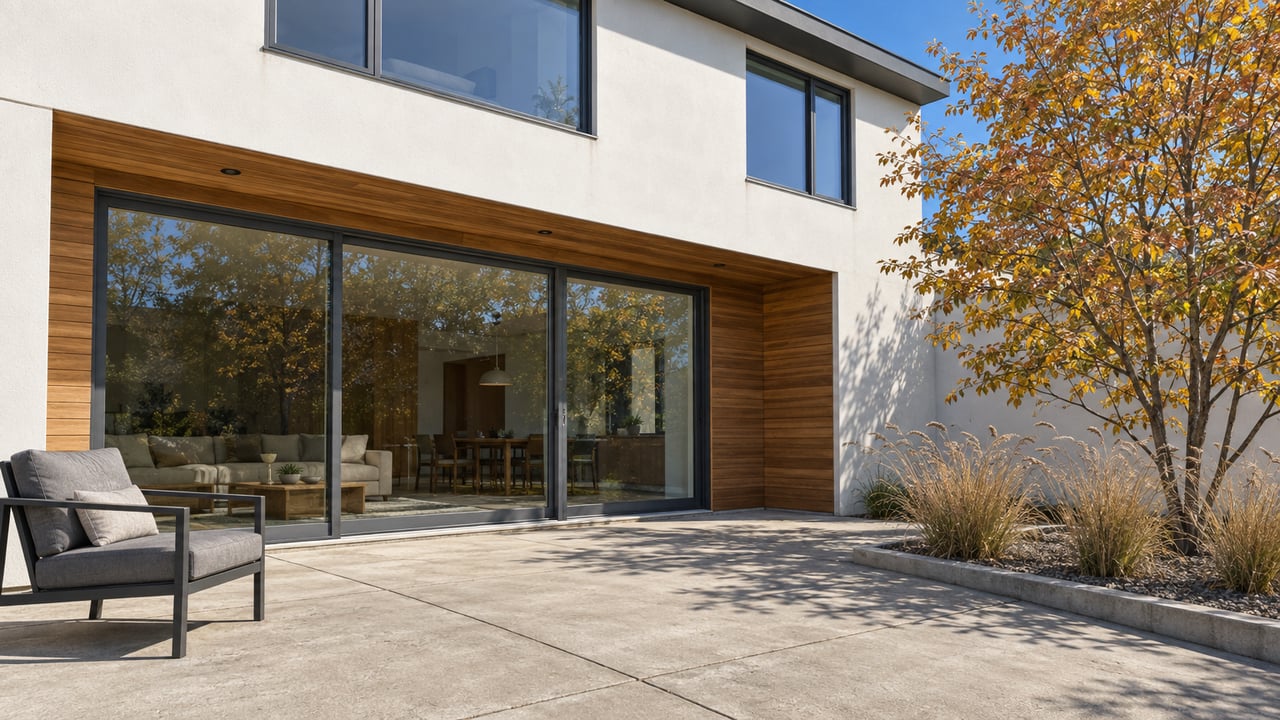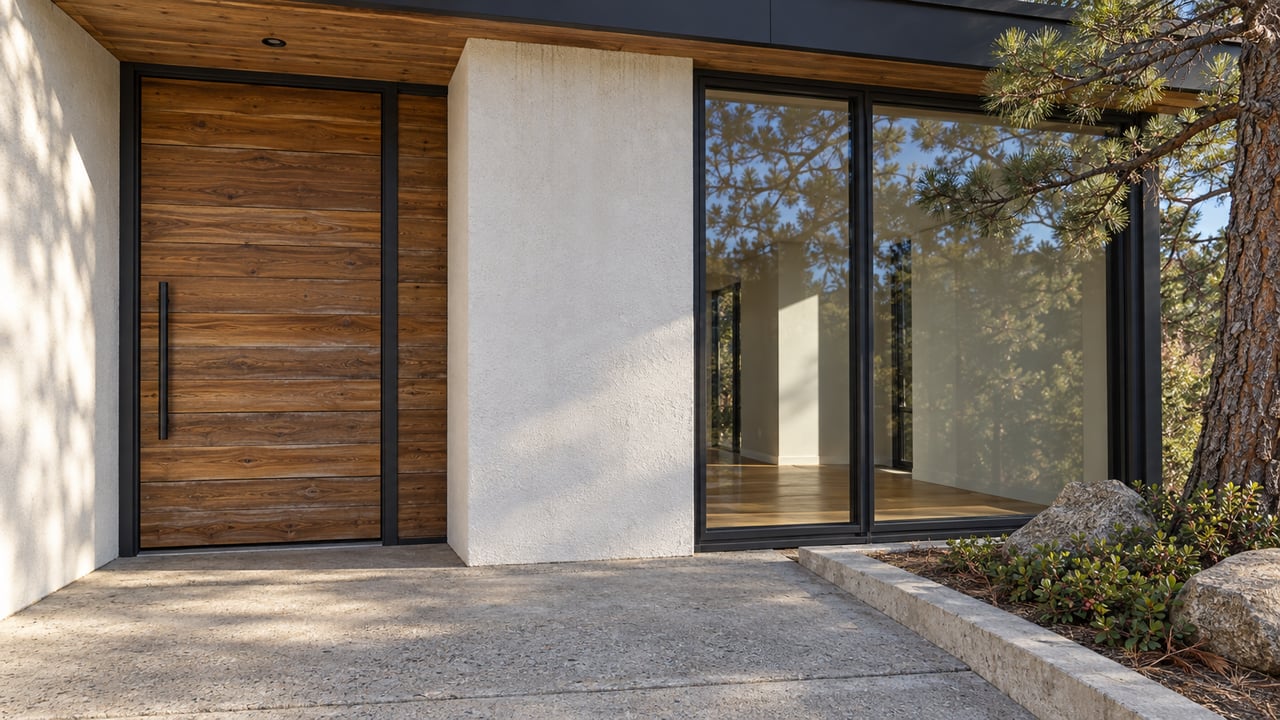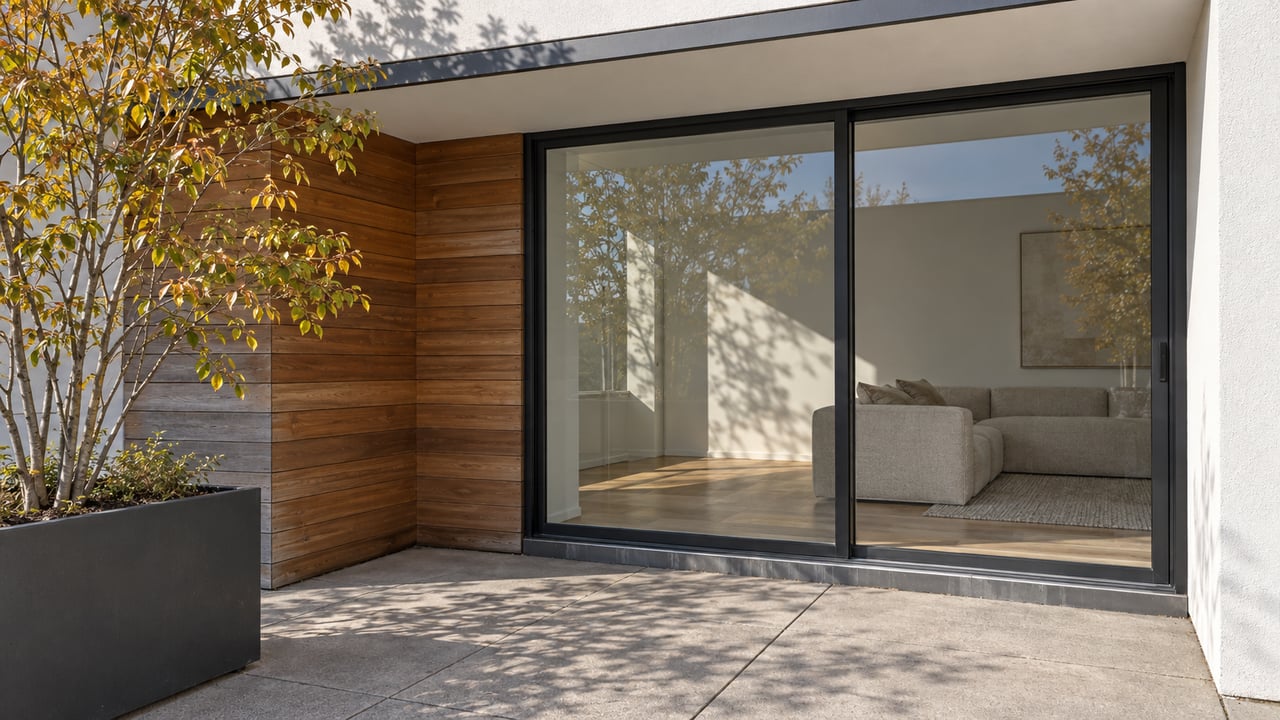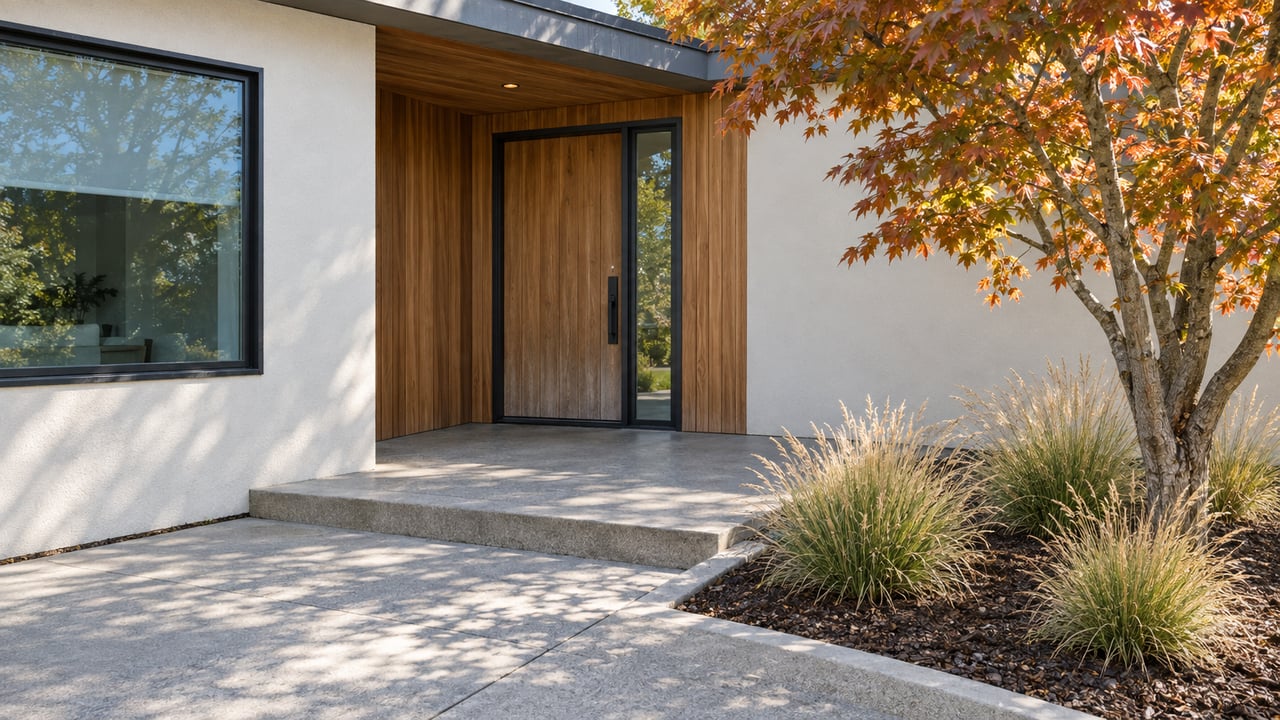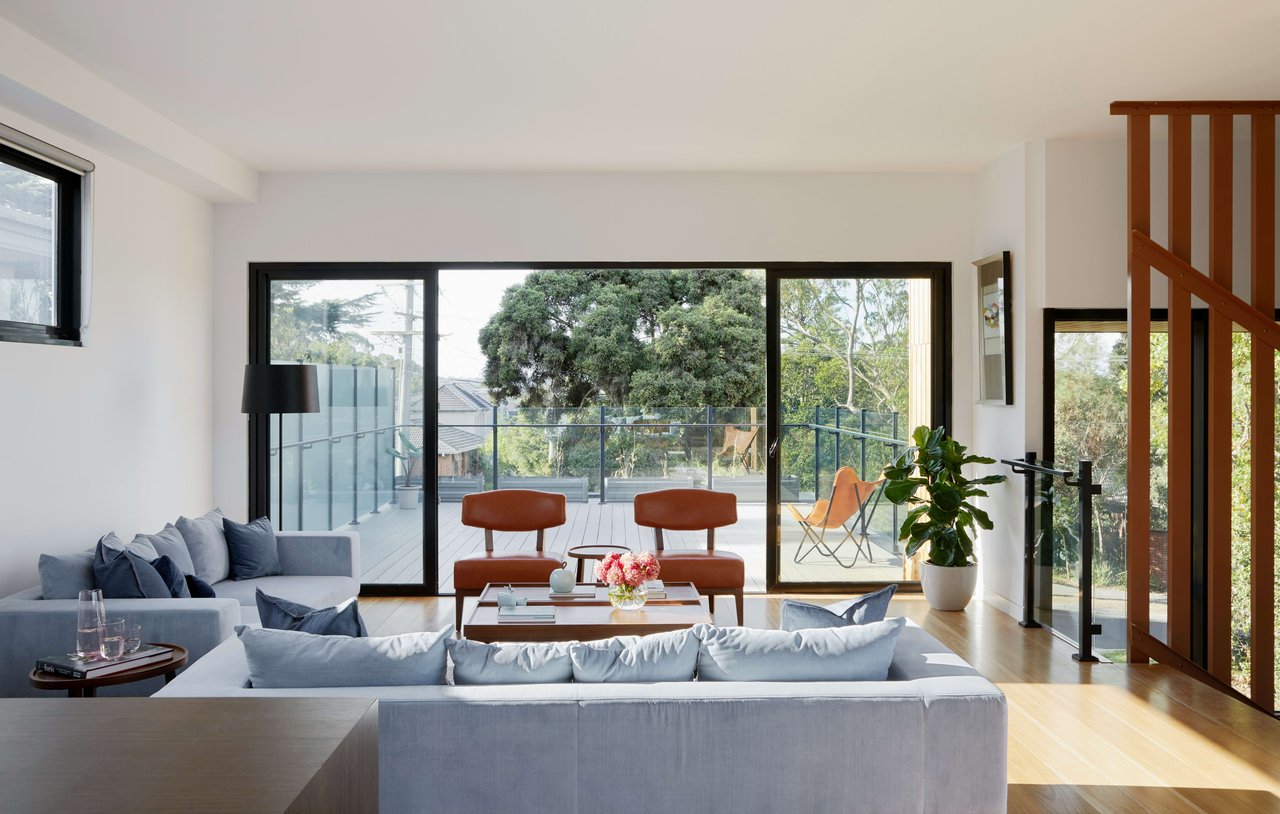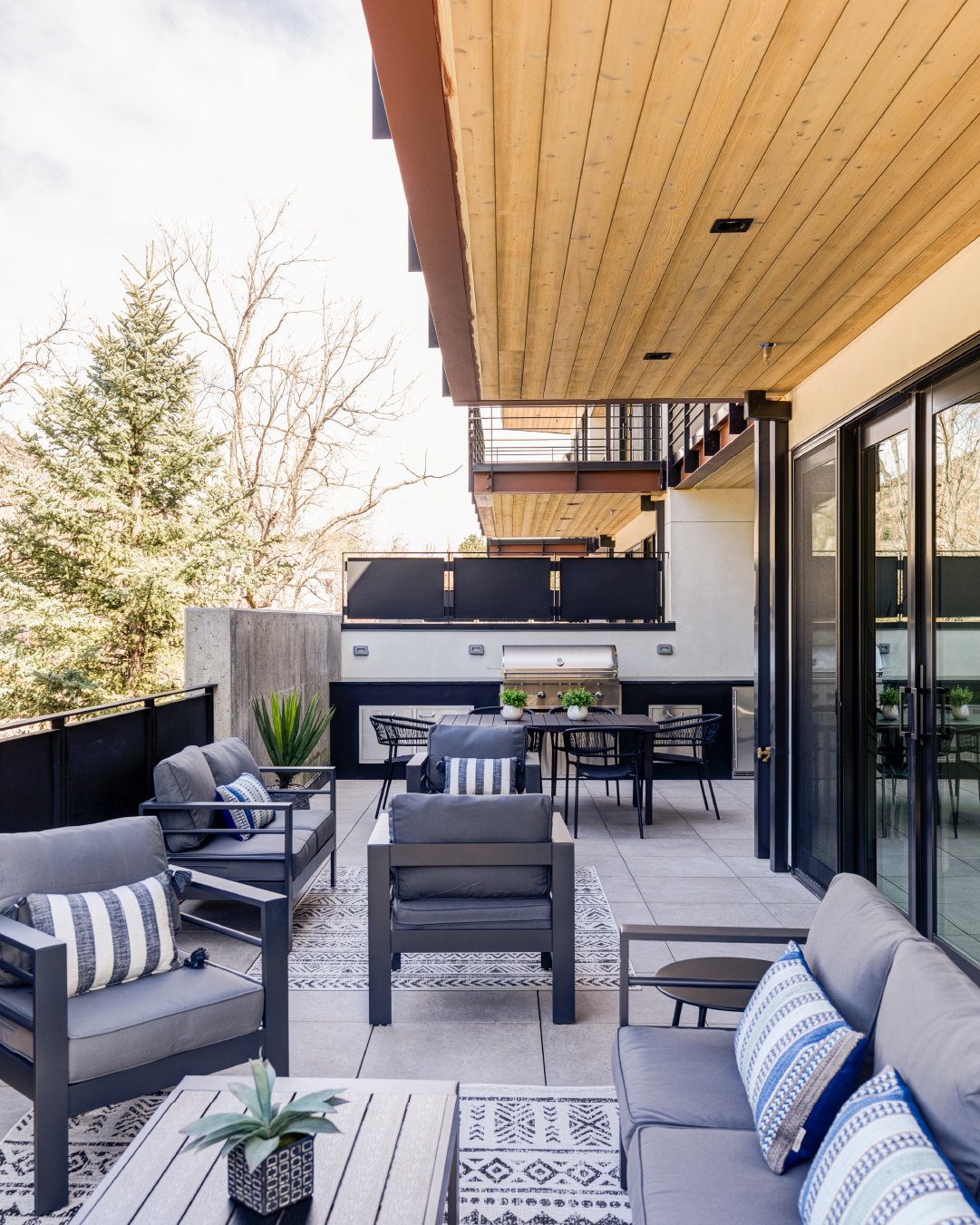
The dining room that once hosted holiday gatherings, the guest suite that welcomed family, and the view you chose so carefully may no longer serve the life you want to lead. Downsizing from a luxury home is rarely about settling for less. For many homeowners, it is an opportunity to trade unused square footage and ongoing maintenance for greater freedom, a more intentional setting, and a home that feels beautifully aligned with what comes next.
The transition deserves more than a standard sale-and-purchase plan. Luxury homes often carry emotional history, architectural distinction, and a meaningful portion of a family's wealth. A thoughtful approach protects all three while helping you move forward with confidence.
Start With the Lifestyle, Not the Square Footage
The most successful downsizing decisions begin with an honest conversation about daily life. Rather than asking, “How much smaller should we go?” ask what you would like your next chapter to feel like. Perhaps you want to walk to dinner, travel without worrying about a large property, enjoy a lock-and-leave residence, or have one-level living that supports long-term ease.
A smaller home can still offer the qualities that matter most: abundant natural light, quiet privacy, excellent materials, outdoor living, and enough room to host the people you love. The goal is not to replicate every feature of your current house in fewer square feet. It is to identify the spaces and experiences you actually use, then prioritize them without apology.
For some clients, that means a refined downtown condominium with elevator access and a terrace. For others, it is a newer home near North Boulder trails with a main-floor primary suite and a manageable outdoor area. The right answer depends on how you spend your time, who visits, and how much responsibility you want your home to require.
Downsizing From a Luxury Home Requires a Clear Value Strategy
Luxury properties are not priced by formula alone. Architectural integrity, site orientation, privacy, landscaping, finishes, and neighborhood reputation can all affect value. In Boulder, a home near Mapleton Hill, Wonderland Lake, or Pine Brook Hill may attract a distinct buyer profile, each with different expectations around condition, access, views, and design.
Before listing, separate the upgrades that genuinely support market value from the improvements that primarily served your personal taste. A full renovation is not always the best use of time or money. Sometimes a focused preparation plan - fresh paint, refined lighting, landscape attention, editing furnishings, and a few strategic repairs - creates a stronger result than a major project.
Presentation matters especially when a home has custom details or a compelling design story. Buyers need to understand not only the property’s features, but also how it feels to live there. Thoughtful photography, well-composed rooms, and a marketing strategy tailored to the likely buyer can make the difference between broad attention and meaningful interest.
Price for the Market You Have, Not the One You Remember
Homeowners often have a vivid memory of a neighbor's sale or of the market at its peak. Those reference points can be useful, but they are not a pricing strategy. Buyer demand shifts with inventory, interest rates, seasonality, and the condition of competing homes.
A precise valuation considers recent comparable sales, current listings, properties that failed to sell, and the particular strengths or limitations of your home. The most desirable luxury buyers are well informed. They recognize when a home is positioned thoughtfully, and they are more likely to act when the value is clear from the beginning.
Decide What Comes First: Selling or Buying
The central logistical question is whether to sell your current home before securing the next one. There is no universal answer, particularly in a market where the ideal downsized property may be limited.
Selling first provides clarity. You know your available equity, can make a stronger offer when you find the right home, and avoid carrying two substantial properties longer than necessary. The trade-off is that you may need a temporary place to live if your next purchase does not line up perfectly.
Buying first can be appealing when a rare property becomes available, such as a beautifully designed single-level home in a favorite neighborhood. It can preserve your ability to move at a more comfortable pace, but it may require bridge financing, a home-sale contingency, or confidence that your present home will sell within a defined period.
A tailored plan can also include a rent-back agreement after closing, allowing you to remain in your current home for a short time while your next residence is prepared. The key is to evaluate timing early, before emotion or urgency narrows your options.
Edit Your Possessions With Respect
Moving from a substantial home can bring a surprising amount of decision fatigue. This is not just about furniture. It can involve art, collections, inherited pieces, books, seasonal items, and furnishings that were chosen for rooms you will no longer have.
Begin before the listing process becomes busy. Walk through your current home and identify the items you would choose again for your next residence. Focus first on pieces with personal meaning, exceptional quality, or a clear role in the new floor plan. Everything else can be evaluated later through consignment, gifting, donation, storage, or sale.
Avoid assuming that a smaller home requires a lesser standard of living. A carefully selected collection of furniture, artwork, and objects often looks more distinctive in a well-designed space than a larger volume of possessions ever did. If design is important to you, create a furnishing plan early so you can see how favored pieces will fit and where new selections may be worthwhile.
Look Beyond the Home’s Interior
A downsized residence should make life easier outside its walls as well. Consider the route from parking to the front door, the convenience of grocery shopping, proximity to friends and cultural activities, and how easily you can leave for a weekend or an extended trip. These details become more valuable when you are choosing a home for the long term.
In Boulder, neighborhood fit can change the entire experience. Downtown offers energy, dining, and walkability. Areas near Dakota Ridge-Northbriar may appeal to homeowners who want immediate trail access and a quieter rhythm. Established neighborhoods can offer mature landscaping and a sense of connection, while newer residences may provide updated systems and less ongoing maintenance.
Also look closely at ownership costs beyond the purchase price. Condominium or townhome associations can be a welcome source of maintenance support, but fees, reserves, rental rules, and governance deserve careful review. A smaller detached home may offer more privacy and flexibility, while still requiring attention to exterior upkeep. Neither is automatically better. It depends on the kind of freedom you are seeking.
Give Yourself Room for a Better Decision
Downsizing can be emotional even when it is entirely the right move. You may feel excitement one day and reluctance the next, particularly when a house holds decades of memories. That is normal. A measured process gives you room to honor what the home has meant without allowing sentiment to prevent a practical, rewarding change.
The best next home is rarely the one that checks every familiar box. It is the one that supports your current priorities with grace, quality, and ease. With an experienced advisor who understands both Boulder’s luxury market and the way thoughtful design shapes daily living, the process can feel less like leaving something behind and more like choosing well.
If you are considering a change, a private consultation with Debby Caplin Real Estate can help you clarify your home’s market position, evaluate your options, and create a transition plan that respects both your investment and your lifestyle.