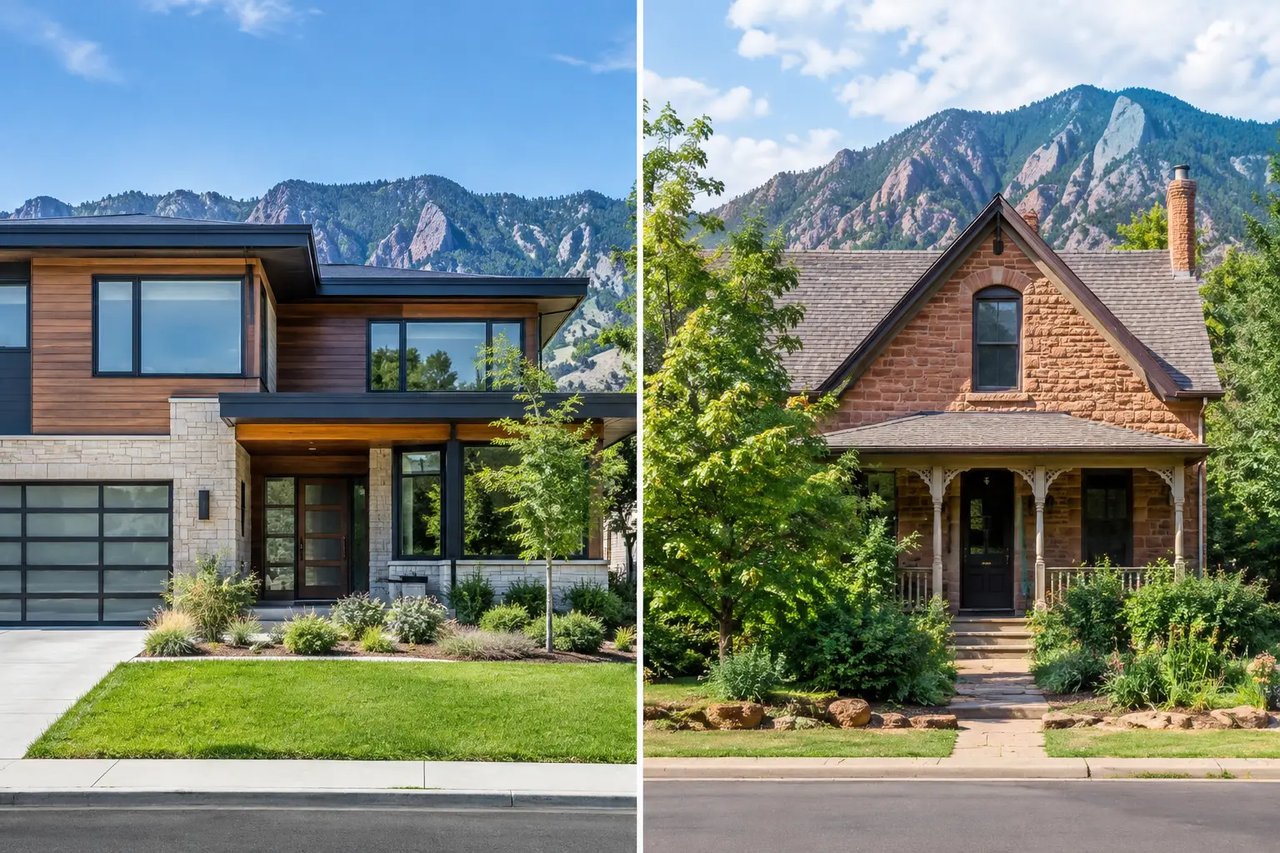
A seller in Boulder can spend $50,000 preparing a home and still miss the upgrades buyers actually notice. The smartest approach to top home upgrades before selling is not doing more. It is choosing improvements that make the home feel well cared for, visually current, and easy to say yes to.
That matters even more in a market where buyers often arrive with high expectations. They are comparing your home not just on square footage and location, but on finish quality, light, flow, and whether the property feels move-in ready. In higher price points especially, buyers tend to pay a premium for homes that feel effortless and hesitate when a property suggests a long post-closing to-do list.
What buyers really respond to before making an offer
Most sellers assume value comes from dramatic projects like a full kitchen remodel or adding square footage. Sometimes it does. More often, the strongest return comes from upgrades that improve first impressions and remove objections.
Buyers respond to homes that feel clean, bright, and consistent. They notice fresh paint, updated lighting, refinished floors, modern hardware, and landscaping that frames the property well. They also notice deferred maintenance immediately. A dripping faucet, cracked caulk line, worn carpet, or dated ceiling fixture may seem minor on its own, but together they create the impression that larger issues may be hiding behind the walls.
That is why strategic pre-sale preparation is part design, part psychology, and part pricing strategy. The goal is not to renovate for your taste. It is to present the home in a way that broadens buyer appeal and protects your negotiating position.
Top home upgrades before selling that usually pay off
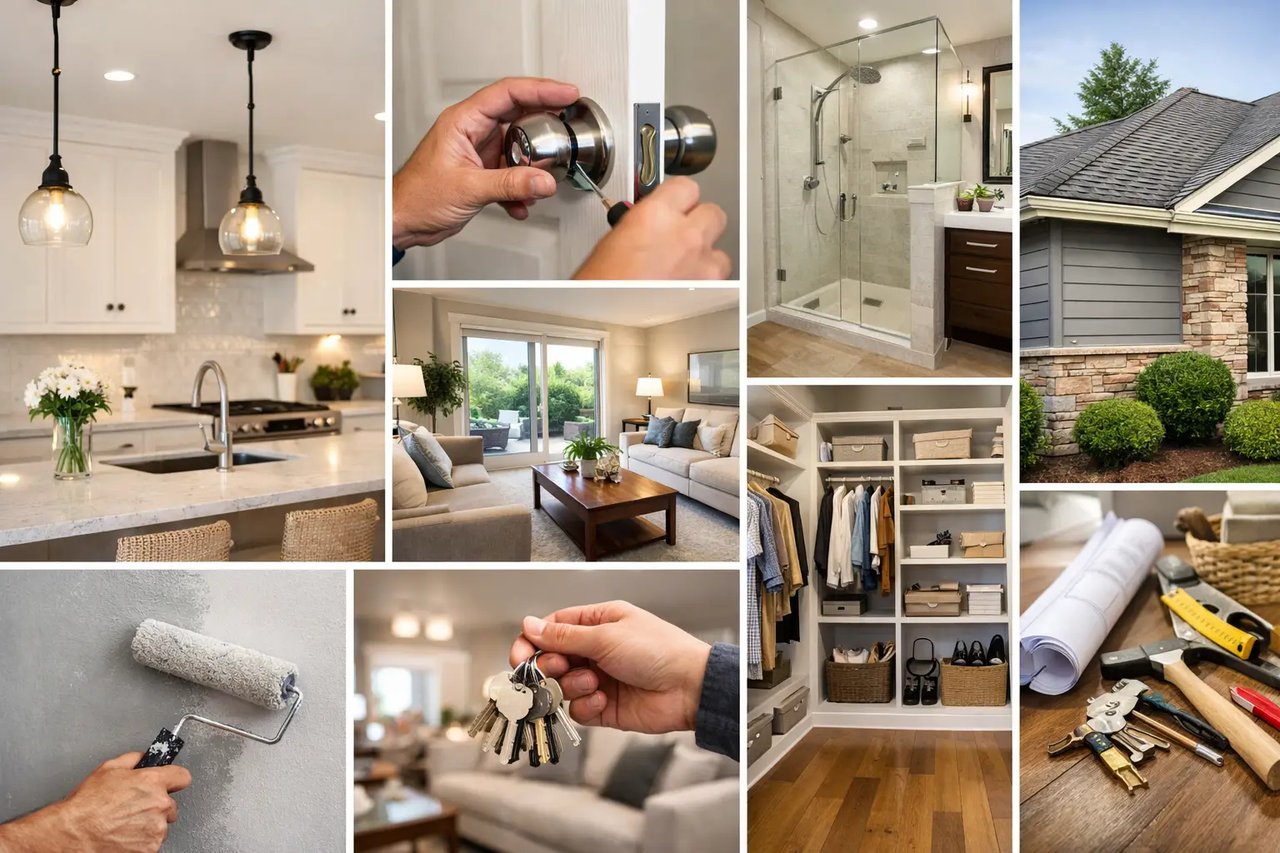
The best upgrades are the ones that make the home feel fresher without overcustomizing it. In many cases, that starts with paint. A well-chosen neutral paint color can instantly brighten a space, reduce visual noise, and help buyers focus on the architecture and natural light instead of wall color choices. It is one of the simplest ways to make a home photograph better and show better.
Flooring is another high-impact area. If hardwood floors are hiding under worn finishes, refinishing them can dramatically elevate the home. If carpet is stained or dated, replacement often makes sense, especially in bedrooms or lower levels. Flooring does not need to be extravagant, but it should feel clean and cohesive from room to room.
Lighting is often underestimated. Swapping builder-grade or outdated fixtures for more current options can make a home feel more expensive with a relatively modest investment. Good lighting also improves listing photos, which matters because buyers often form their first opinion online.
Kitchens and bathrooms deserve attention, but not always a full remodel. Painting cabinets, replacing hardware, updating faucets, installing new light fixtures, and refreshing mirrors can go a long way. If countertops are badly dated or damaged, replacement may be worthwhile. If the layout works and the room feels clean and current, a cosmetic refresh is often enough.
Then there is curb appeal. Before buyers walk through the front door, they are already judging how the home has been maintained. Fresh mulch, trimmed landscaping, a newly painted front door, updated house numbers, and repaired walkways can shift the tone immediately. In neighborhoods where buyers expect polish, exterior presentation carries real weight.
Where sellers often overspend
Not every upgrade belongs on the pre-sale list. Some projects cost more than they return, especially if they reflect highly personal taste or create construction delays.
A full luxury kitchen renovation is the classic example. If your kitchen is severely outdated or functionally compromised, a deeper update may be justified. But if the cabinets are solid, the layout works, and the room simply feels tired, selective improvements are usually the smarter move. Buyers appreciate quality, but they also want the chance to personalize major spaces over time.
The same is true for custom built-ins, niche tile choices, and bold design statements. These may be beautiful, but they do not always widen your buyer pool. Before selling, it is usually better to aim for edited, elevated, and broadly appealing rather than highly specific.
Window replacement can be another gray area. If windows are damaged, fogged, or clearly failing, replacing them may help. If they are functional but not brand new, the money may be better spent elsewhere. The right decision depends on the price point, condition of competing listings, and how much the windows affect comfort, efficiency, or appearance.
The upgrades that matter most in Boulder
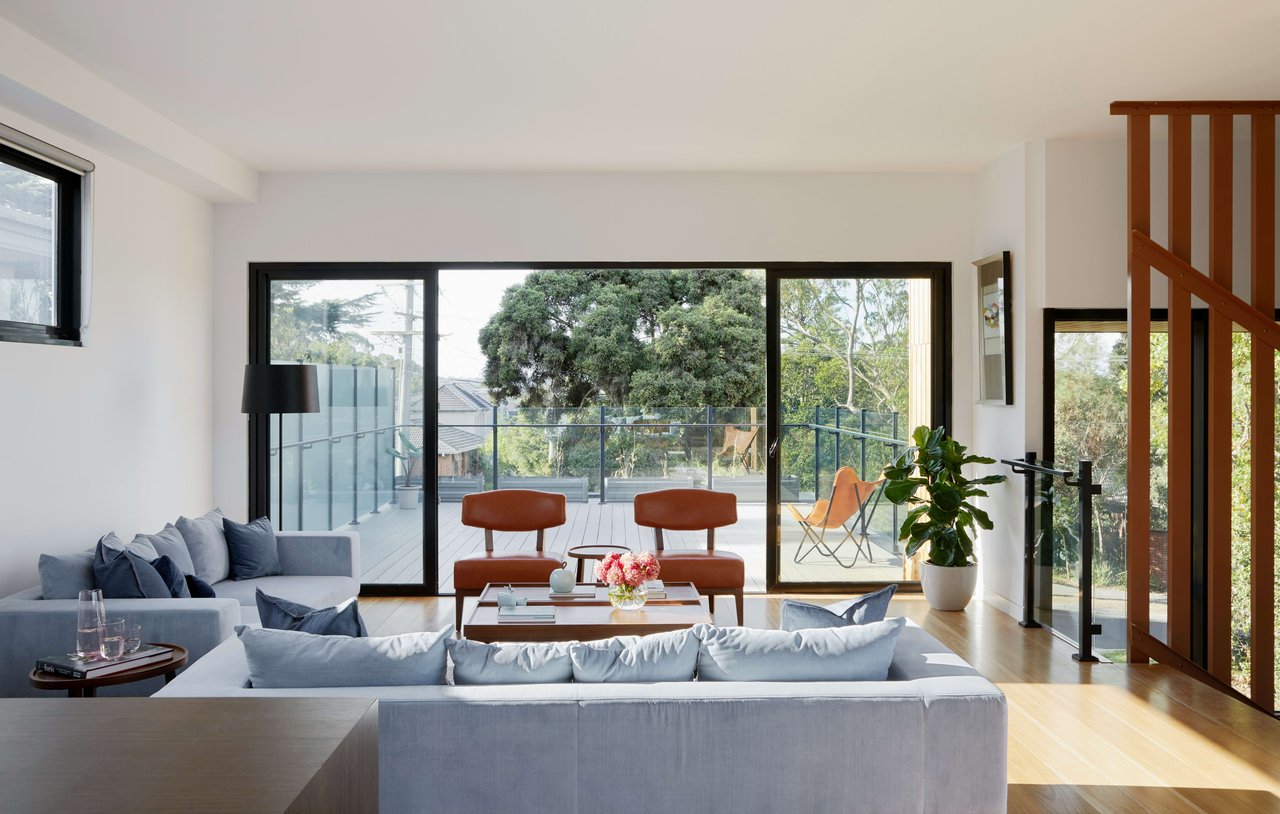
In Boulder, presentation often intersects with lifestyle. Buyers here care about design, but they also care about how a home lives. Natural light, indoor-outdoor flow, energy efficiency, and a sense of calm tend to matter as much as pure square footage.
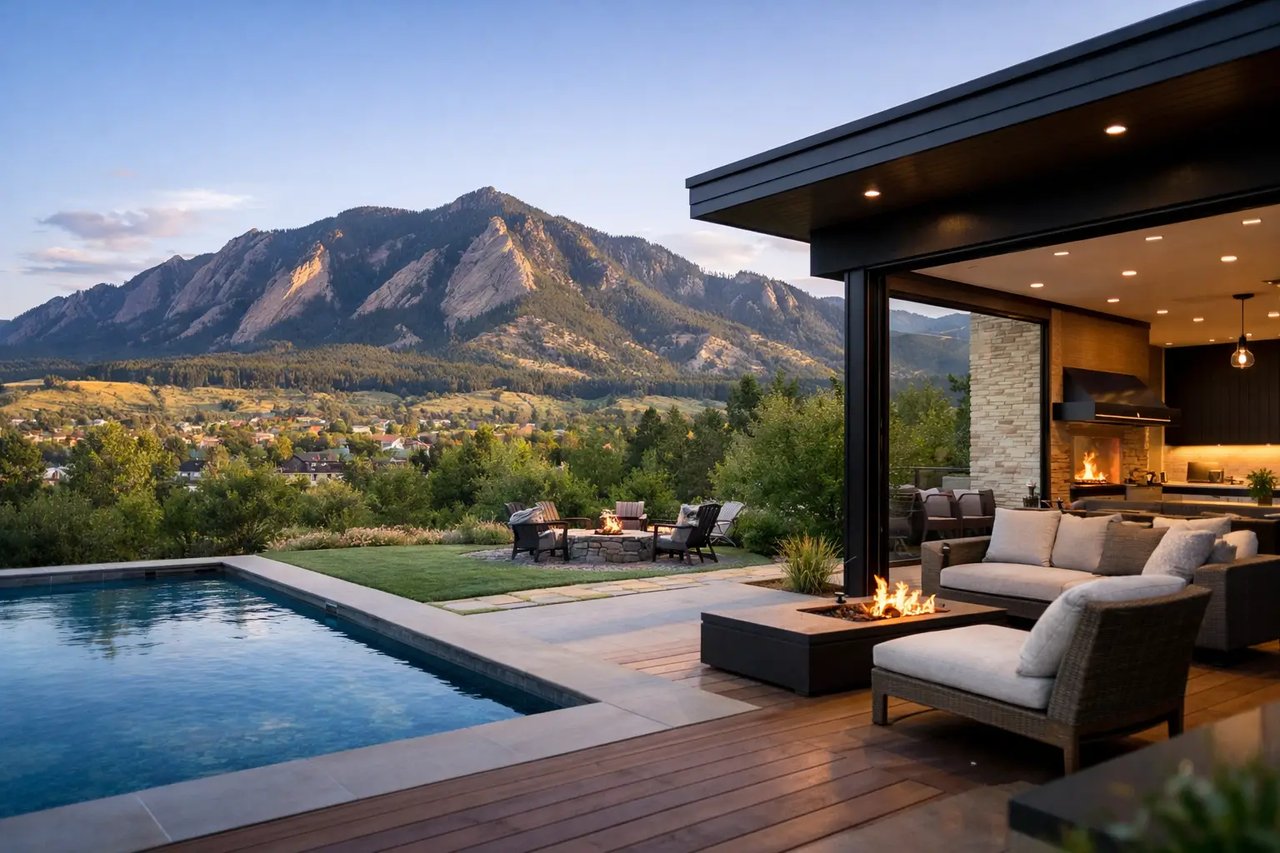
That means some upgrades carry extra value in this market. Improving outdoor spaces can be especially worthwhile if a property has a yard, patio, deck, or foothills view to highlight. A clean, styled outdoor seating area helps buyers picture how they will actually use the home. If fencing is damaged or landscaping is overgrown, addressing those issues can make the entire property feel more finished.
Energy-conscious improvements can also resonate, though this is an area where it helps to be selective. Buyers may appreciate upgraded insulation, smart thermostats, or newer windows, but these improvements rarely create the same immediate emotional impact as visual upgrades. They work best when paired with a home that already shows beautifully.
For luxury or architecturally distinct homes, the standard is higher. In those cases, details like premium paint finishes, thoughtful staging, current lighting, and beautifully edited surfaces can meaningfully affect perception. Buyers shopping at the upper end are not just evaluating condition. They are evaluating refinement.
How to decide what your home needs
The right pre-sale plan starts with honest evaluation. Walk through your home as if you were seeing it for the first time. Where does your eye land? What feels dated, worn, dark, or distracting? What would stand out in photos? What might lead a buyer to inflate the cost of future work in their mind?
A second opinion helps because sellers are often too close to their own spaces. This is where an experienced real estate advisor with design sensibility can be especially valuable. The point is not to create work for the sake of it. It is to identify the upgrades that improve marketability without wasting budget on projects that will not move the needle.
Usually, the smartest path is to divide improvements into three categories: must-fix items, high-impact cosmetic updates, and optional upgrades based on price point. Safety issues, visible maintenance concerns, and anything likely to surface during inspection belong in the first group. Paint, lighting, flooring, and landscaping often land in the second. Larger kitchen or bath decisions usually fall into the third and should be weighed carefully against timing, cost, and neighborhood expectations.
Timing matters almost as much as the upgrades themselves
Even excellent upgrades can lose value if they are rushed. Paint touch-ups done too late, landscaping installed without time to settle, or renovation work that drags into listing week creates stress and can compromise presentation.
Ideally, sellers begin planning several weeks before photography and launch. That leaves enough time to complete work properly, stage the home thoughtfully, and make sure every room feels intentional. Buyers can tell when a home has been prepared with care.
That preparation also gives you more control over pricing and negotiation. A home that feels turnkey tends to attract stronger early interest and fewer discount requests. A home that feels unfinished invites buyers to calculate risk and ask for concessions.
The best upgrade is the one that supports the sale
The most effective top home upgrades before selling are not always the most expensive. They are the ones that help buyers connect emotionally to the home while reducing the sense that work is waiting for them after closing.
Sometimes that means refinishing floors and repainting every wall. Sometimes it means replacing three light fixtures, refreshing the primary bath, and investing in professional landscaping instead of tearing out a functional kitchen. It depends on the home, the competition, and the expectations of your likely buyer.
When the strategy is right, upgrades do more than make a house look better. They strengthen the story the home tells from the first photo to the final walkthrough. And that is often what separates a property that sits from one that earns real momentum the moment it hits the market.