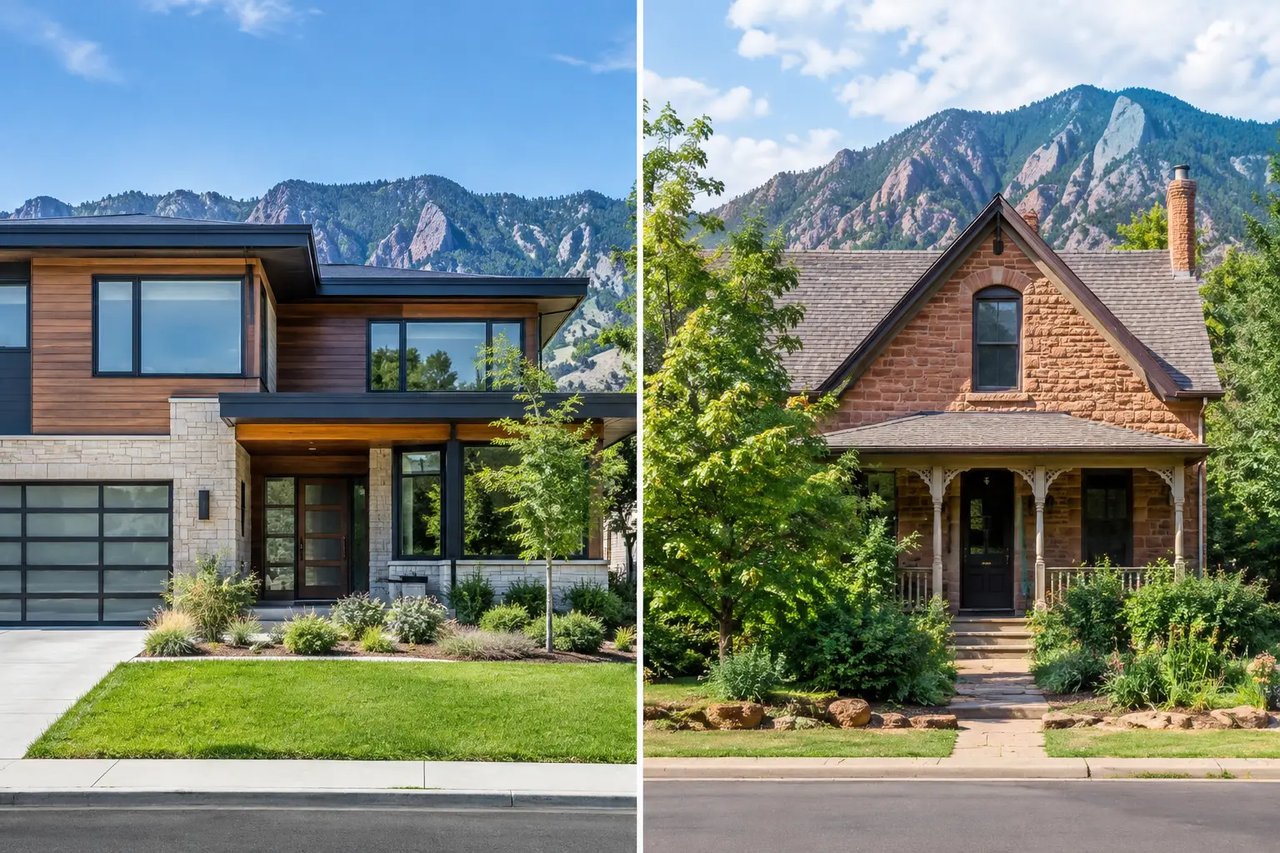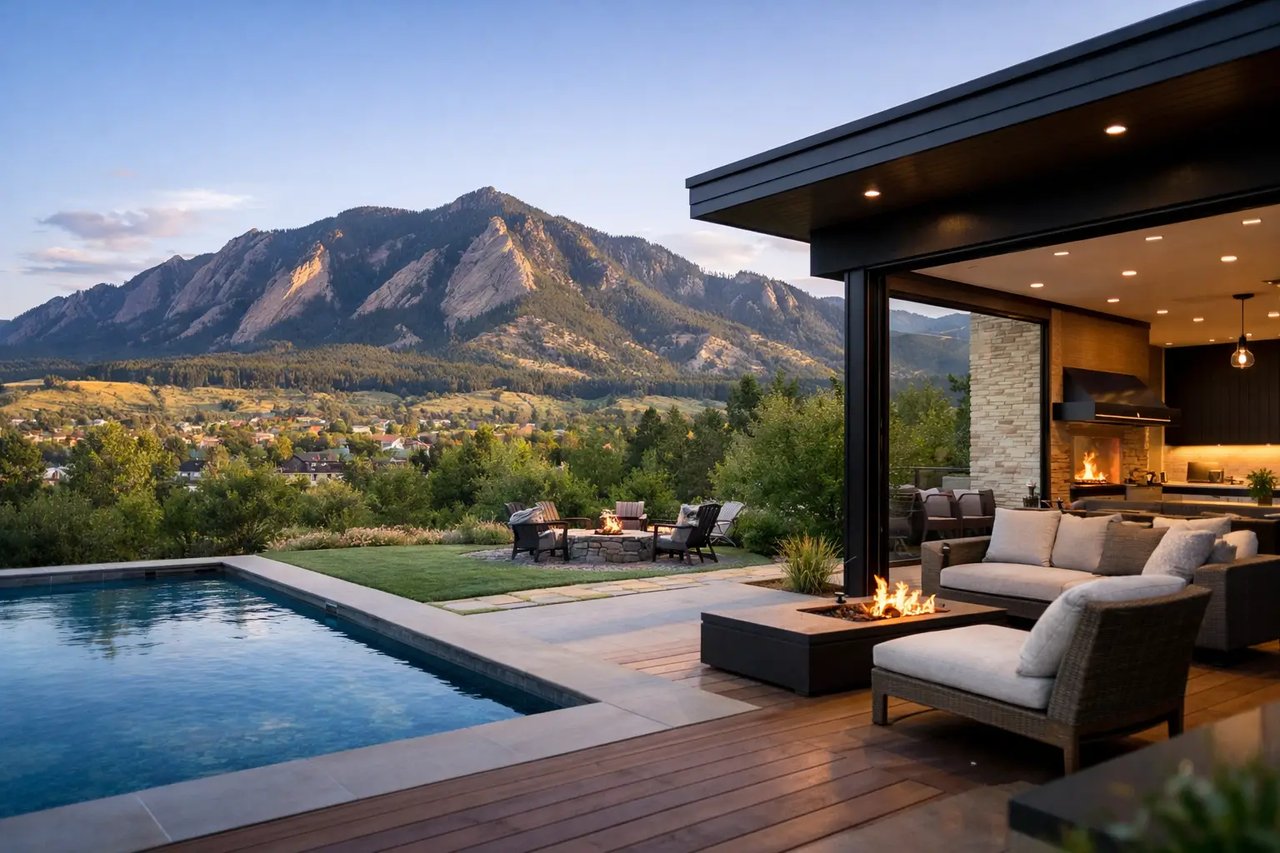
A luxury home in Boulder is rarely just a beautiful house. It is a view line that changes at sunset, a street with a distinct rhythm, a floor plan that supports how you actually live, and an asset whose value is shaped by scarce location, design quality, and timing. That is what makes a Boulder luxury home buying guide so different from a standard home search. At this level, the right purchase is not simply about price per square foot. It is about knowing which details carry lasting value and which ones only photograph well.
Buyers at the high end usually arrive with clear expectations, and rightly so. They want privacy, quality construction, strong architectural character, and a neighborhood that fits their lifestyle. They also want the process handled with care. In Boulder, where inventory can be limited and each neighborhood tells a different story, a thoughtful strategy matters as much as enthusiasm.
What makes luxury buying in Boulder different
Boulder's luxury market is shaped by constraint. There is limited land, strong demand, and a buyer pool that often includes local professionals, relocating executives, entrepreneurs, and second-home seekers. That combination creates a market where exceptional homes can move quickly, but not all expensive homes are equally compelling.
Some properties command a premium because they sit in an irreplaceable setting. Others are priced for their finishes, lot size, or recent renovations. And some ask luxury prices without offering the long-term characteristics that tend to hold value best. This is where market knowledge becomes practical, not theoretical. A buyer needs to understand why one home in Mapleton Hill may trade differently from a similarly sized home elsewhere, or why privacy in Pine Brook Hill may come with trade-offs in winter access, commute time, or maintenance.
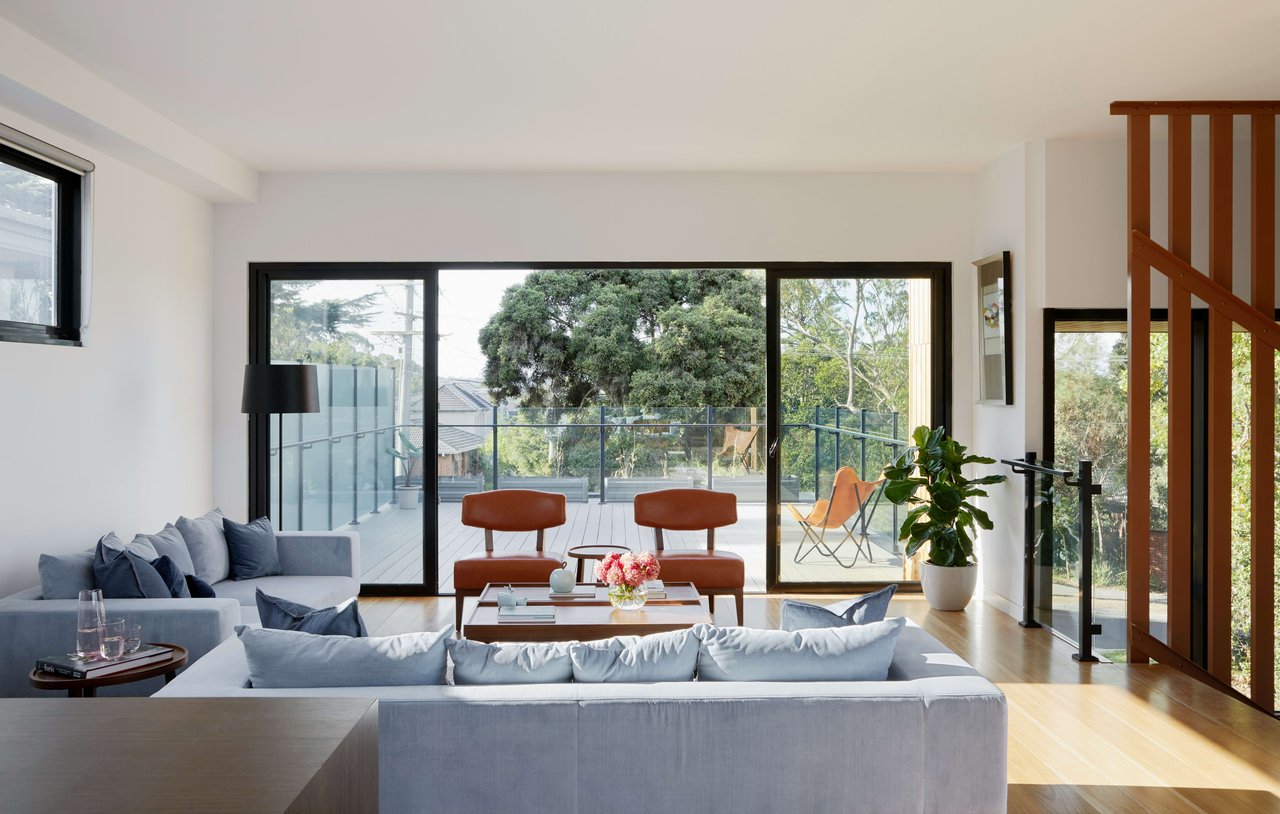
Luxury real estate also asks buyers to think beyond the obvious. A dramatic primary suite matters, but so does how the home lives day to day. Does it capture natural light well? Does the layout support guests without sacrificing privacy? Does the outdoor space feel integrated with the architecture, or added as an afterthought? At the upper end of the market, nuance often determines whether a home feels exceptional or merely expensive.
A Boulder luxury home buying guide starts with lifestyle
The first step is not choosing a finish palette or setting a maximum number. It is getting clear on what kind of life you want the property to support.
For some buyers, walkability is the priority. Being close to Downtown, restaurants, trails, and cultural life may outweigh the appeal of a larger lot. For others, the goal is quiet, views, and separation from neighbors. Families may care deeply about how a home functions across school schedules, visiting grandparents, and indoor-outdoor living. Downsizers often want less maintenance without giving up design quality or entertaining space.
This is why neighborhood fit matters so much. Mapleton Hill offers historic prestige and architectural charm, but older homes can come with preservation considerations and more ongoing upkeep. Wonderland Lake and Dakota Ridge-Northbriar may appeal to buyers who want immediate trail access and a more relaxed residential feel. Whittier can offer a strong mix of character and proximity. Pine Brook Hill speaks to buyers drawn to privacy, dramatic settings, and mountain ambiance, though road conditions and elevation require a realistic lens. The right match depends on how you live, not just what looks impressive online.
How to evaluate true value in a luxury property
Luxury buyers often know quality when they see it, but value is more layered than finishes alone. A newly renovated kitchen may be lovely, yet it does not automatically justify a premium if the lot lacks privacy, the floor plan is awkward, or the location is less desirable than nearby alternatives.
Start with the fundamentals that are hard to change. Location, orientation, lot usability, views, privacy, and architectural integrity tend to matter most over time. Then consider the quality of updates. Were renovations done with consistency and intention, or do they feel cosmetic? High-end homes should have design coherence. Materials, lighting, millwork, and space planning should make sense together.
It also helps to separate personal taste from market strength. A bold design choice can be captivating, but if it is highly specific, resale may depend on finding a buyer with the same preferences. On the other hand, homes with strong bones and tasteful, well-executed design often have broader appeal. Buyers who can spot that difference are usually better positioned over the long term.
Design potential matters more than many buyers realize
In luxury real estate, a home does not need to be perfect on day one to be the right purchase. Sometimes the better opportunity is a property with excellent scale, location, and structure that could benefit from thoughtful refinement.
That is where design perspective becomes valuable. A buyer may walk into a home and focus on dated finishes, while missing the quality of light, the proportion of the rooms, or the opportunity to improve flow with selective changes. Another buyer may be seduced by a heavily staged property and overlook practical issues in the layout.
The key is knowing which improvements are meaningful and which are expensive distractions. Reworking cabinetry, lighting, furnishings, and surface materials can change a home's feel dramatically. Moving structural walls, correcting poor siting, or creating privacy where none exists is another matter. If a property already has the elements that cannot be replicated easily, it may deserve a closer look even if it is not turnkey in the conventional sense.
Due diligence at the luxury level
A careful Boulder luxury home buying guide should leave room for excitement, but never at the expense of diligence. High-value properties often come with more complexity, not less.
Site conditions matter. Sloped lots, drainage, retaining structures, mature trees, and wildfire considerations can all influence ownership experience and future costs. For homes in the foothills or more secluded areas, access, snow removal, and infrastructure deserve attention. In historic areas, renovation flexibility may be different than expected. Larger homes may also involve more sophisticated systems, from radiant heat to smart home integration, and those systems should be evaluated thoughtfully.
Buyers should also look closely at the less glamorous aspects of a purchase. Insurance costs, maintenance demands, deferred repairs, and replacement timelines can materially affect the full cost of ownership. A property can be emotionally compelling and still require a clear-eyed review. In fact, the most confident buyers are usually the ones who ask the most detailed questions.
Negotiation is not just about getting the lowest price
In competitive luxury markets, negotiation is part economics, part timing, and part positioning. The strongest outcome is not always the steepest discount. Sometimes it is winning the right house on favorable terms before competition builds. Other times it is recognizing when a property has lingered and using that context to negotiate more effectively.
Seller motivation matters. So does presentation, days on market, pricing history, and whether the home is one of several available options that meet a buyer's criteria. A well-crafted offer can create leverage through timing, contingencies, possession terms, or clarity of execution. Sellers of luxury homes often care about certainty and professionalism as much as headline price.
This is one reason relationship-driven representation matters at this level. Buyers benefit from guidance that is both strategic and attentive, particularly when the stakes are high and the inventory is limited. A polished process signals seriousness and can make a real difference in a competitive situation.
Timing your search without rushing it
Many luxury buyers feel tension between patience and urgency. They do not want to overpay, but they also know that truly special homes are limited. Both instincts are reasonable.
The best approach is to prepare early so you can move decisively when the right property appears. That means understanding your financing or liquidity options, refining your neighborhood priorities, and getting honest about what is essential versus flexible. If you wait to answer those questions until you are emotionally attached to a house, the process becomes more reactive.
At the same time, patience has value. Not every high-priced home deserves pursuit. Some are testing the market. Some need time for pricing to align with reality. Some look compelling in photos but reveal compromises in person. Discerning buyers do well when they stay selective without becoming rigid.
The role of trusted guidance
Luxury buying is personal. It is financial, of course, but it is also about where holidays are hosted, how mornings begin, where children grow up, or what kind of retreat you want at the end of a demanding day. The process should reflect that.
The right advisor helps you interpret value, compare neighborhoods honestly, think through design potential, and negotiate with confidence. They also protect your time by filtering noise from real opportunity. That level of guidance is especially meaningful in a market as nuanced as Boulder, where no two streets, lots, or homes are quite the same.
If you are approaching your search with high standards, that is not a complication. It is a strength. A thoughtful purchase at the luxury level should feel aligned on every front - market sense, lifestyle fit, and long-term satisfaction. Debby Caplin Real Estate is built around exactly that kind of attentive, high-touch guidance.
The best luxury homes tend to reveal themselves slowly. When you know what to look for, and why it matters, you are far more likely to recognize the right one when it appears.