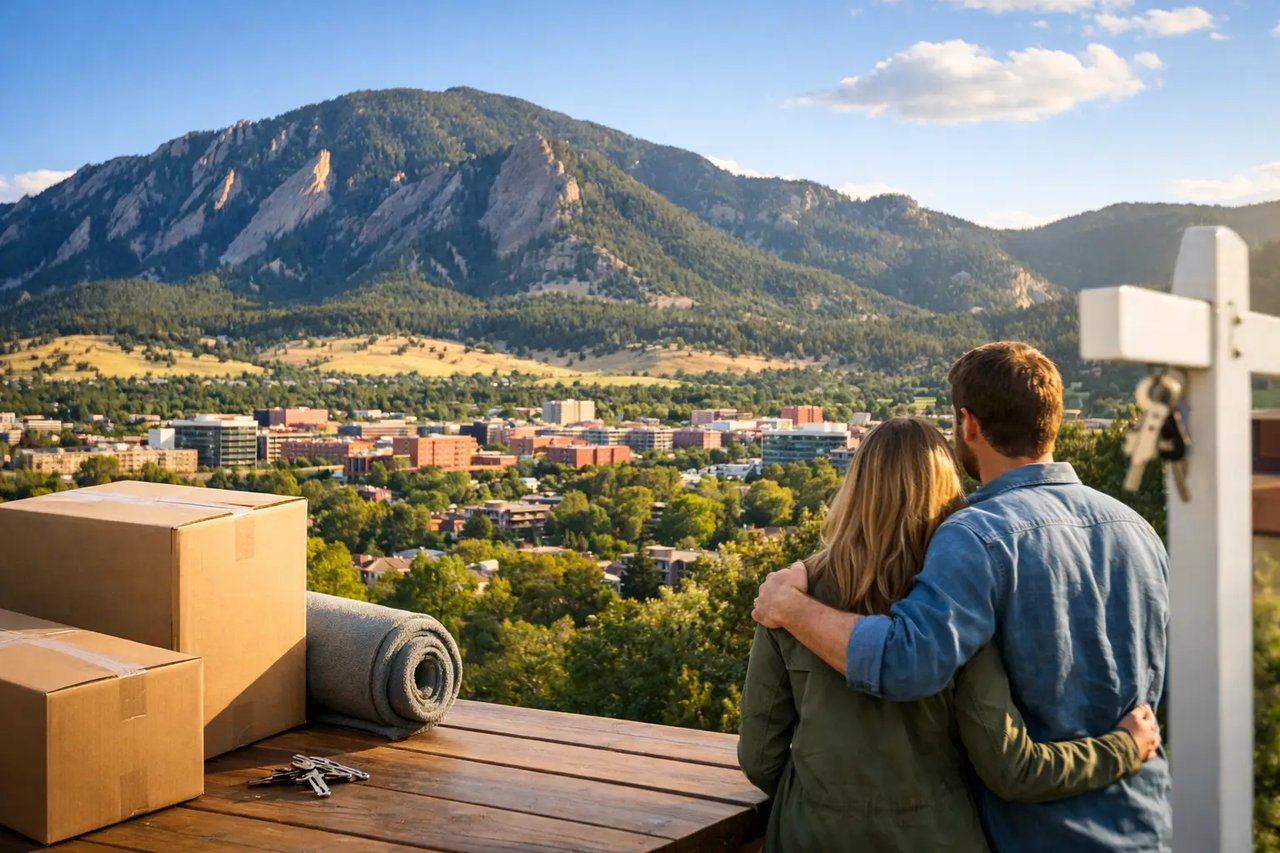
Boulder can feel immediately familiar: a morning walk beneath the Flatirons, a favorite coffee shop within minutes, and a community that values both intellectual energy and time outdoors. But what to know before moving to Boulder goes well beyond scenic trails and sunny forecasts. This is a highly sought-after, nuanced housing market where neighborhood choice, daily logistics, and the condition of a home can have a lasting effect on both your lifestyle and your investment.
For many buyers, the right move begins with looking past the postcard version of Boulder. The city offers remarkable variety, from historic homes near downtown to quiet foothill properties and newer residences with a more contemporary feel. Each comes with its own rhythm, practical considerations, and price point.
What to Know Before Moving to Boulder: The Market
Boulder real estate is defined by limited land, consistent demand, and a wide range of property types. Buyers may be surprised by how much values can shift from one neighborhood to the next, even when locations are only a few minutes apart. Views, walkability, school access, lot size, architectural character, and proximity to open space all influence value.
The market also rewards preparation. Well-priced homes in desirable locations can attract serious attention quickly, while more distinctive properties may require a deeper evaluation of condition, design, and future resale appeal. A home with strong bones in an exceptional setting may offer more long-term opportunity than a fully updated home on a less desirable street. The reverse can also be true when a renovation is likely to be unusually expensive or complicated.
For relocation buyers, it is wise to separate a home's asking price from its overall cost of ownership. Older homes may have charm, mature landscaping, and irreplaceable locations, but they can also bring deferred maintenance, aging systems, or renovation limitations. Foothill homes can provide privacy and dramatic views, while potentially adding considerations around roads, drainage, insurance, defensible space, and winter access.
Neighborhood Fit Matters More Than a Zip Code
Boulder is not one lifestyle. Choosing a neighborhood should begin with how you want your ordinary Tuesday to feel, not just what you want to see from the living room.
Downtown, Mapleton Hill, and Whittier appeal to buyers who value historic architecture, restaurants, cultural events, and the ability to walk or bike to daily destinations. These areas can offer a strong sense of place, but homes may have smaller lots, tighter streets, and preservation considerations. For buyers who love original details and lively surroundings, those trade-offs can be part of the appeal.
North Boulder neighborhoods such as Wonderland Lake and Dakota Ridge-Northbriar offer access to trails, parks, and a more relaxed residential pace. Many residents appreciate the proximity to open space without feeling far removed from shops and downtown. Housing styles vary, so it helps to distinguish between a home that is simply near nature and one that truly works for your day-to-day routine.
In the foothills, Pine Brook Hill and similar communities offer privacy, trees, and exceptional mountain character. The lifestyle is compelling, particularly for buyers seeking space and a stronger connection to the landscape. At the same time, the logistics are different. Commute patterns, road conditions, utility systems, internet reliability, wildlife, and insurance should be evaluated early rather than treated as afterthoughts.
There is no universally best neighborhood. A family focused on school routines and easy errands may make a different choice than a couple seeking architectural distinction, quiet, and a dramatic setting. The most successful purchase is usually the one that aligns location, home style, and daily habits.
The Outdoor Lifestyle Is Real, but So Are the Seasons
Boulder's access to trails, cycling, skiing, climbing, and open space is a genuine part of life here. You do not need to be an endurance athlete to enjoy it. A walk on a nearby path, dinner on a patio, or a weekend drive into the mountains can become part of the weekly routine.
Still, mountain living asks for practical readiness. The weather can change quickly, with warm sunshine giving way to afternoon storms, sudden wind, or snow. Homes with west-facing exposure, mature trees, or hillside locations deserve a close look at drainage, roof condition, exterior maintenance, and snow management.
Wildlife is another everyday reality. Bears, deer, coyotes, and smaller animals are part of the environment, especially near open space and the foothills. Secure trash storage, thoughtful landscaping, and an understanding of local wildlife practices are simply part of responsible homeownership.
Air quality and wildfire risk are also meaningful considerations, particularly for homes near the foothills. Risk varies substantially by exact location, construction, vegetation, access, and mitigation work. Before making an offer, buyers should understand the property's insurance options, defensible-space needs, evacuation routes, and any existing improvements designed to reduce risk.
Commuting Can Be Easy - or Very Location-Dependent
Boulder is famously bike-friendly, and many residents can walk or ride to work, school, restaurants, and recreation. For the right location, that convenience changes how a home feels to live in. A property that is five minutes from a favorite trail, office, or market can be more valuable to your lifestyle than a larger home with a longer drive.
However, commuting should be tested in real terms. If you work in Denver, at the university, in an office park, or remotely with frequent airport travel, map the routes that matter most. Traffic patterns, school drop-off, weather, and event days can make a noticeable difference. Buyers considering foothill areas should make the drive at the times they would actually use it.
Remote work has also made home function more important. A beautiful house is only part of the equation if you need two private offices, strong connectivity, quiet rooms, or flexible space for guests. When evaluating a property, look at natural light, room proportions, storage, and how easily the layout can adapt as your needs change.
Design Potential Is Part of the Value Conversation
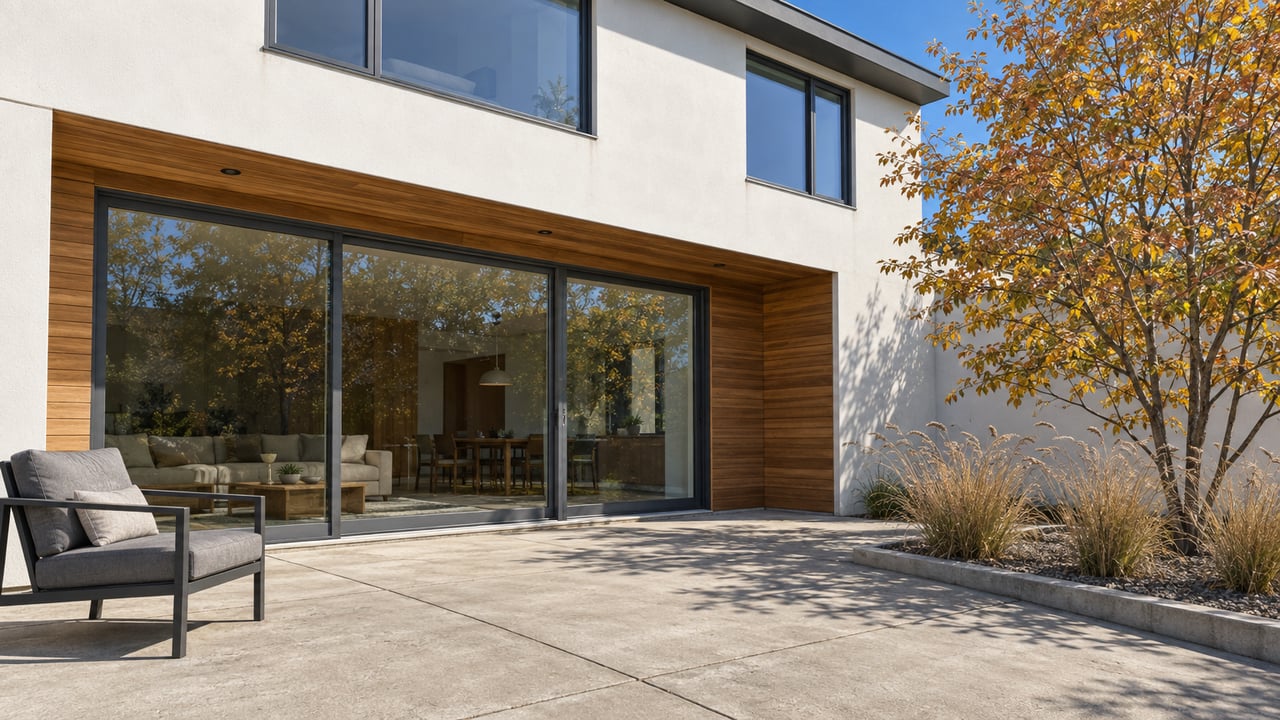
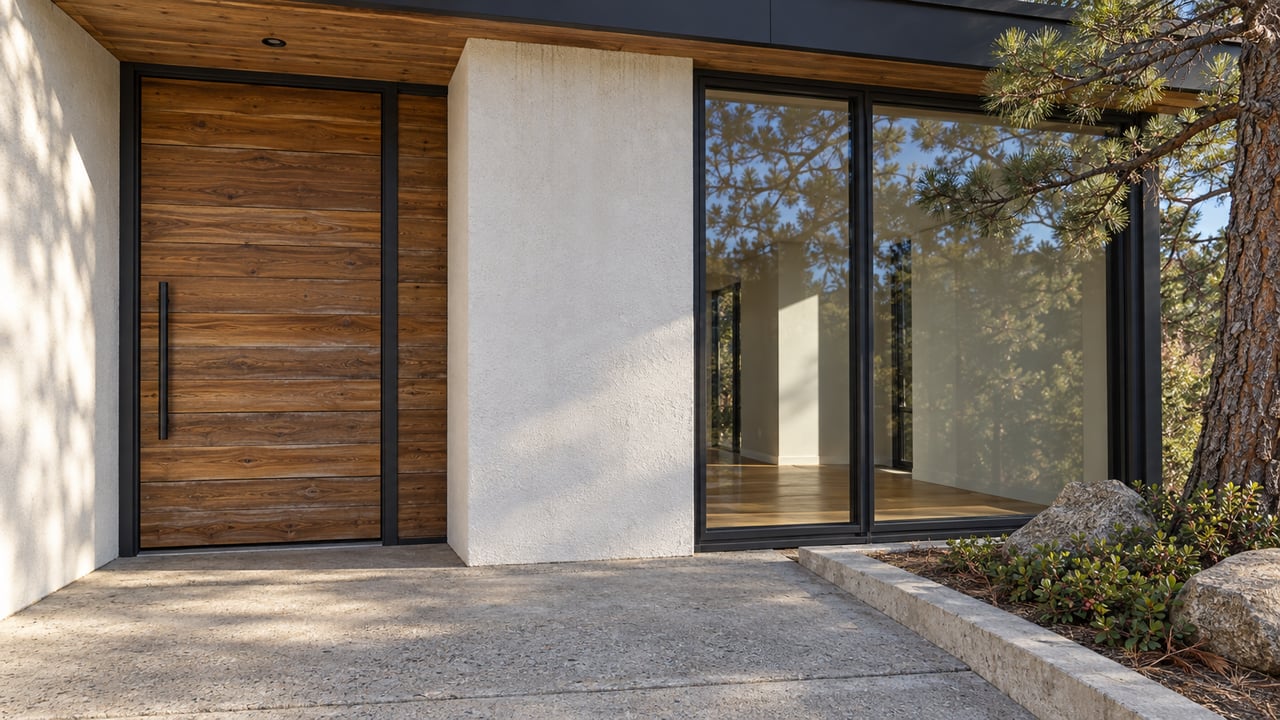
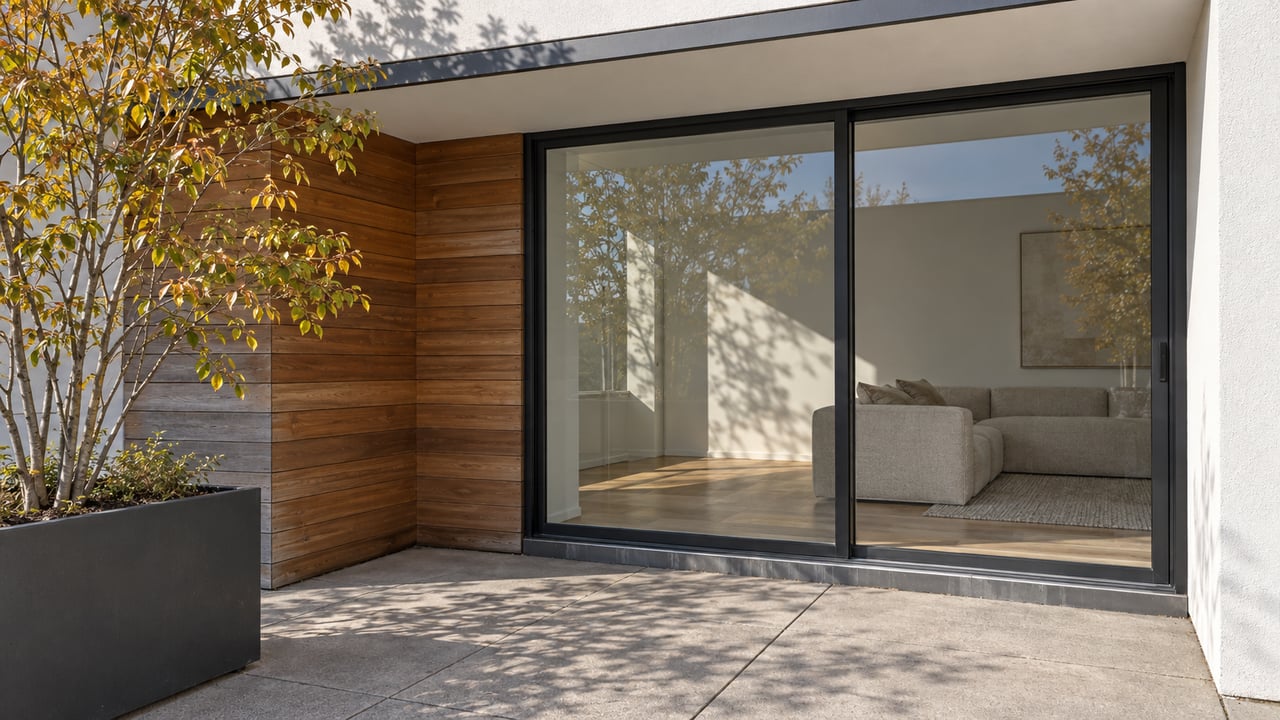
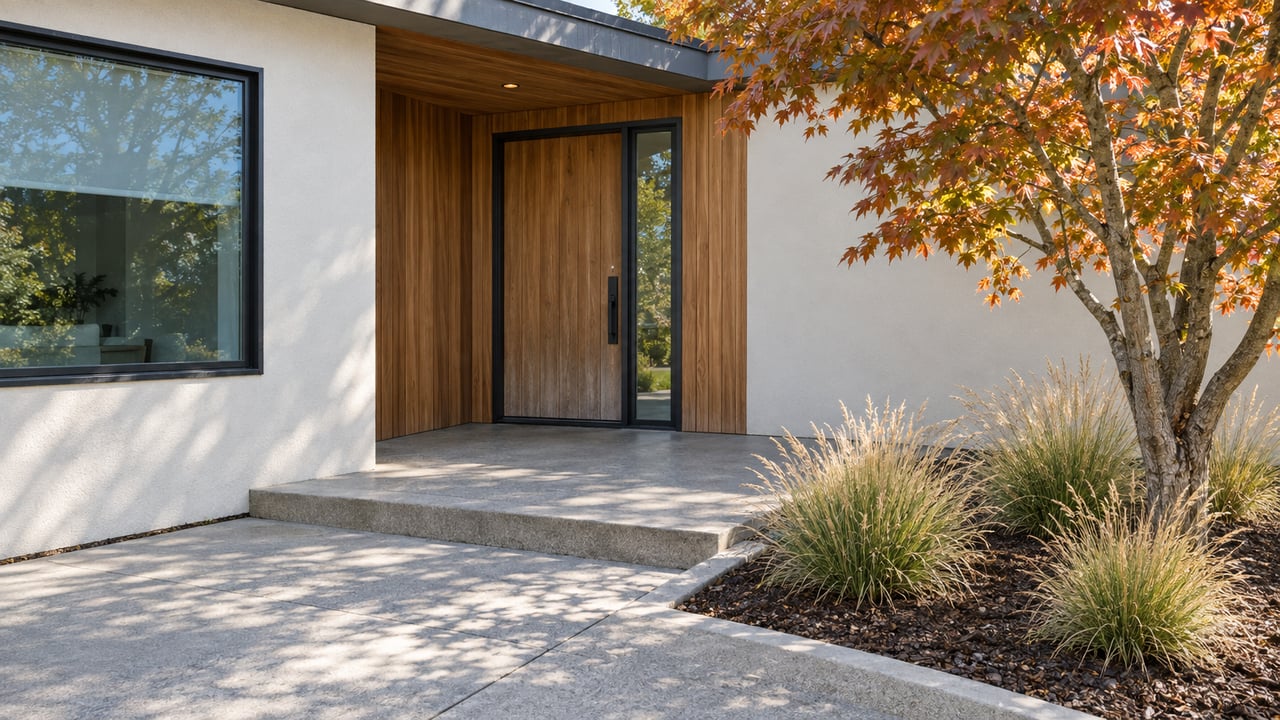
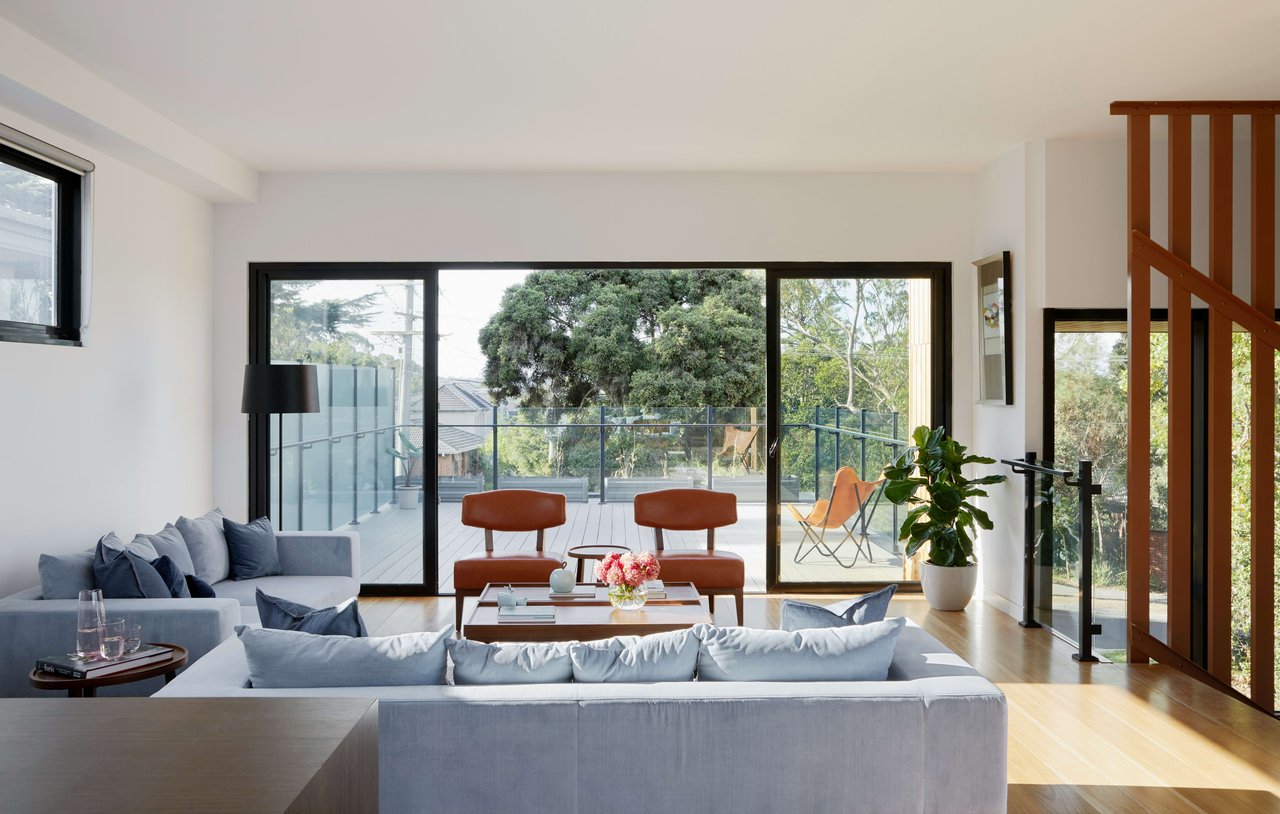
Many Boulder homes have a strong visual identity, whether that means a restored Victorian, a mid-century modern residence, a mountain contemporary, or a classic brick bungalow. Buyers are often drawn to a home because of its feeling, then discover that its layout or finishes need to work harder for modern living.
That does not make a property a poor choice. It simply means the opportunity should be evaluated with clear eyes. Consider whether changes are cosmetic, structural, or subject to neighborhood or municipal requirements. A kitchen renovation and a major addition have very different timelines, budgets, and approval paths.
It is also worth looking beyond current furnishings. Ceiling height, window placement, circulation, indoor-outdoor connection, and material quality can tell you far more about a home's potential than paint color or staging. A thoughtful design perspective can help reveal where a property is already special and where investment is likely to make the greatest difference.
Schools, Community, and Everyday Services
For families, school considerations often shape a search, but they should be approached with care. Boundaries, enrollment policies, and program availability can change, so confirm current information directly rather than relying on a listing description or a neighbor's recollection. Proximity to a school is not always the same as eligibility to attend it.
Beyond schools, think about the services that make a neighborhood feel effortless: grocery stores, medical care, fitness, restaurants, childcare, parks, and access to your preferred outdoor activities. Boulder has an engaged, community-minded culture, but each area offers a different balance of convenience, privacy, and activity.
Plan for a More Confident Purchase
A move to Boulder deserves more than a quick weekend of open houses. Spend time in the neighborhoods that interest you. Visit at different hours, listen for road noise, notice the sun, and take the routes you would use every day. If a property is older, in the foothills, or architecturally distinctive, allow room in your due diligence for specialized inspections and insurance research.
The right home is rarely the one that checks every box on paper. It is the one that supports the life you want to build while making sound financial sense. A trusted local advisor can help you weigh market value, neighborhood fit, and design potential before the decision becomes urgent. If Boulder is calling, begin with a conversation that is as personal and considered as the move itself.