Love the feel of a sunlit porch, chunky wood trim, and the quiet charm of an early-1900s home? If you are drawn to Whittier’s classic bungalow streets, you are not alone. These homes balance character with livability, and the best ones blend original details with thoughtful updates. In this guide, you will learn how to spot authentic features, identify common red flags fast, and plan upgrades that respect the architecture. Let’s dive in.
What defines a Whittier bungalow
Whittier’s bungalow era spans the early 1900s through the 1920s, when Craftsman design was popular across U.S. cities. You will find compact one to one-and-a-half story homes on smaller lots, many aligned with Boulder’s early street grid. Some blocks include sensitive infill next to well-preserved originals, so character can vary by street. Before you fall in love, confirm if a property is subject to any City of Boulder historic designations that affect exterior changes.
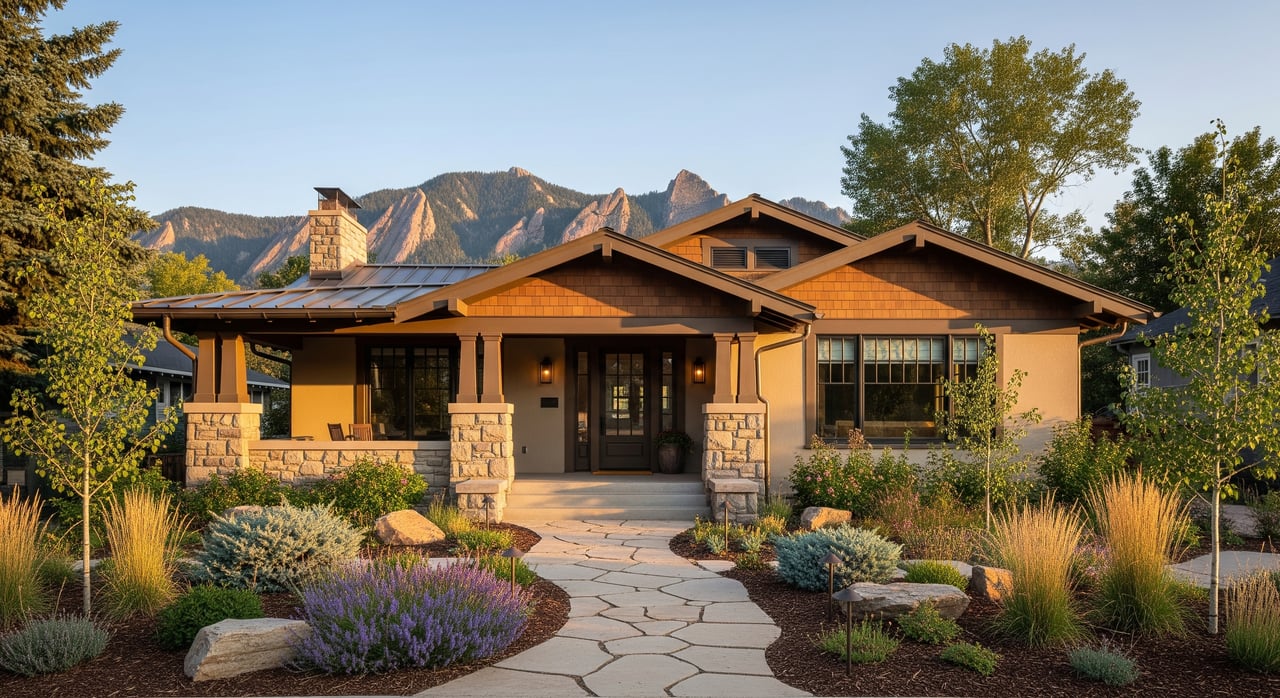
Hallmark features to recognize:
- Low to moderate gabled roofs with wide eaves, exposed rafters, or brackets.
- Full or partial-width front porches with tapered or square columns on stone, brick, or stucco piers.
- Double-hung wood windows, often with divided-light uppers over single-pane lowers.
- Built-ins like bookcases, dining room buffets, inglenooks, and window seats.
- Original wood trim with picture rails, substantial baseboards, and stained casings.
- Efficient, compartmentalized floor plans with good natural light, plus basements and small attic spaces.
These details are not just pretty. They are your cue that the home retains value-adding character worth preserving.
Read listing photos like a pro
Photos tell a quick story. Use these cues to screen homes before you tour.
- Exterior: Intact porch columns, railings, and masonry piers point to good stewardship. Sagging porch roofs or missing balusters suggest deferred maintenance.
- Windows: Original divided-light sash is a character win. Uniform vinyl replacements may mean an earlier renovation changed the façade.
- Built-ins: Presence of bookcases, hutches, or inglenooks reduces renovation scope and boosts appeal.
- Kitchen and baths: Look for modern updates that keep original trim. Fully gutted rooms can read out of character.
- Basement: A finished basement needs extra scrutiny. Plan to ask about permits and moisture management.
First-walkthrough checklist (5–15 minutes)
- Open and close interior and pocket doors. Binding or off-square movement can hint at settlement.
- Scan porch steps and column bases for rot or movement.
- Do the smell test in the basement or crawlspace. Mustiness often signals moisture.
- Operate a few windows. Sticking or warped frames suggest maintenance needs.
- Turn on faucets and flush toilets. Note pressure, discoloration, and any leaks under sinks.
- Peek at the electrical panel for age and labeling, and look for cloth-insulated wiring in accessible areas.
- Check attic access for insulation levels and signs of old wiring or roof leaks.
Common hidden problems to budget for
Older homes can be solid with the right updates. Still, a few issues come up again and again.
Structure and envelope
Watch for sagging porch roofs, uneven floors, or misaligned doors. These can point to foundation settlement or framing concerns. Failing paint or soft wood at eaves and sills often means moisture intrusion. Patches on siding or stucco can hide rot, so note those for inspector follow-up.
Water and drainage
If soil slopes toward the foundation, expect basement moisture. Look for efflorescence, musty smells, stains, observable mold, or sump pumps. Good grading and gutters are your first line of defense.
Electrical
Some bungalows still have knob-and-tube wiring or older fused panels. Inadequate kitchen and bath circuits or ungrounded outlets are common. Ask for documented electrical upgrades and permits.
Plumbing
Original galvanized supply lines can corrode and restrict flow. Older clay or cast-iron sewer laterals can fail, so a sewer scope is smart in Whittier’s vintage blocks. Note water pressure and any discoloration during your tour.
Insulation and energy efficiency
Walls may lack insulation, and attics are often underinsulated. Original single-pane windows perform poorly without weatherstripping or storms. Plan staged energy improvements rather than defaulting to full window replacement.
Hazardous materials
Lead-based paint is likely on older surfaces, and asbestos can appear in floor tile, pipe wrap, or insulation. Testing and proper practices are required before disturbance. Build time and budget for this.
Permits and unpermitted work
Enclosed porches, removed pocket doors, or basement finishes can be unpermitted. Confirm permit history for additions and systems replacements through City of Boulder records and Boulder County assessor data.
Renovating with respect in Boulder
A timeless update preserves the parts that make a bungalow sing, while quietly improving function.
Kitchens and baths
Keep circulation patterns and scale, and open sightlines with strategic, larger cased openings rather than full wall removals. Retain or replicate dining-room built-ins and integrate a modern work triangle. In baths, consider classic finishes like subway tile and pedestal sinks to stay period-appropriate.
Windows and energy
Start with attic insulation, air sealing, and weatherstripping to boost comfort. Add interior or exterior storm windows to improve performance while keeping original sash. If replacement is unavoidable, choose wood or wood-clad units that match profiles and muntin patterns.
HVAC and mechanicals
High-velocity or mini-split systems can minimize ductwork and preserve trim. If going with central air, route ducts through attics or basements to avoid cutting into character moldings. Place supply and return vents discreetly at floors or baseboards.
Porches and exterior
Repair original porch piers and columns where feasible to keep proportions right. When replacement is necessary, document profiles and match materials. Use breathable products on masonry and stucco repairs to avoid trapping moisture.
Additions and ADUs
If you add space, keep additions to the rear or a side and maintain compatible rooflines. Detached garages or ADUs should be subordinate in scale and complementary in materials. Confirm zoning and any historic review requirements before design work.
Hazard mitigation and compliance
Follow lead-safe and asbestos protocols for any disturbance. Pull permits and work with contractors experienced in older homes and preservation standards. It saves headaches and protects value.
Local rules and due diligence in Whittier
- Check with the City of Boulder Historic Preservation office to see if a property lies within a designated district or is landmarked, which can affect exterior work.
- Verify building permits and zoning details through City of Boulder planning and permitting.
- Review Boulder County assessor records for ownership history and documented improvements.
If incentives matter, explore local energy efficiency rebates for insulation, HVAC, windows, or heat pumps through city and utility programs. Historic tax credits may apply in limited cases if a property is formally listed, so ask early in the process.
Who this home fits
Buyer who wants original plus upgrades
You value built-ins, patina, and cozy scale. Plan sympathetic kitchen and bath updates, better insulation, and HVAC modernization. Consider storms before replacing windows to keep the look you love.
Buyer who wants a more open feel
You prefer brighter connections between living, dining, and kitchen. Identify load-bearing walls and create wider cased openings that maintain bungalow proportions. The goal is flow and light without losing the details that set the home apart.
Your next steps
- Pull permit history and assessor records to understand past work and system updates.
- Tour with an eye for porch condition, windows, built-ins, and quick red flags noted above.
- Book an inspector who knows historic homes and includes a sewer scope; add mold and moisture checks if needed.
- If preserving character is a priority, consult a preservation-minded architect or carpenter before finalizing your offer.
- Outline a phased plan for energy, mechanical, and finish upgrades so you can budget and sequence work.
A Whittier bungalow rewards care and creativity. With the right due diligence and a design-led approach, you can elevate comfort and value while honoring what makes these homes special. If you want guidance on reading listings, assessing potential, or planning a period-appropriate update, connect with Debby Caplin Real Estate dba Bolder By Design for neighborhood-savvy, design-forward buyer representation.
FAQs
What defines a Craftsman bungalow in Whittier, Boulder?
- Look for low-pitched gabled roofs with wide eaves, a welcoming front porch with tapered or square columns, original wood windows with divided-light uppers, and interior built-ins like bookcases and dining buffets.
How do I check if a Whittier property has historic restrictions?
- Contact the City of Boulder Historic Preservation office to confirm district or landmark status, then verify review requirements for exterior changes through planning and permitting.
What are the most expensive old-bungalow fixes in Boulder?
- Structural settlement, extensive porch rebuilds, full electrical rewires, plumbing replacements including sewer laterals, and moisture remediation can be major budget items.
Should I replace original windows in a Whittier bungalow?
- Start with attic insulation, air sealing, and weatherstripping, then consider storm windows; replace historic sash only when beyond repair and match profiles and muntin patterns when you do.
Which inspections are critical before buying a Whittier bungalow?
- A full home inspection with a historic-home specialist, a sewer scope, moisture and mold checks if noted, and testing for lead paint or asbestos before planned renovations are essential.