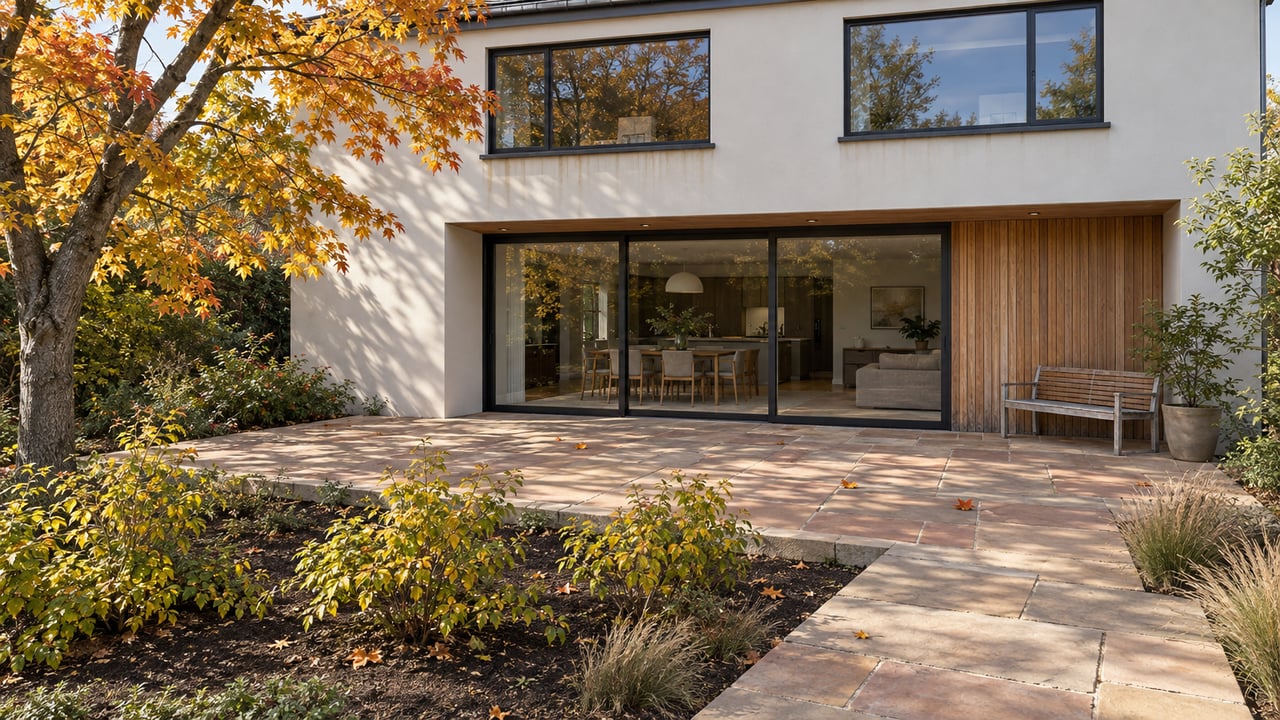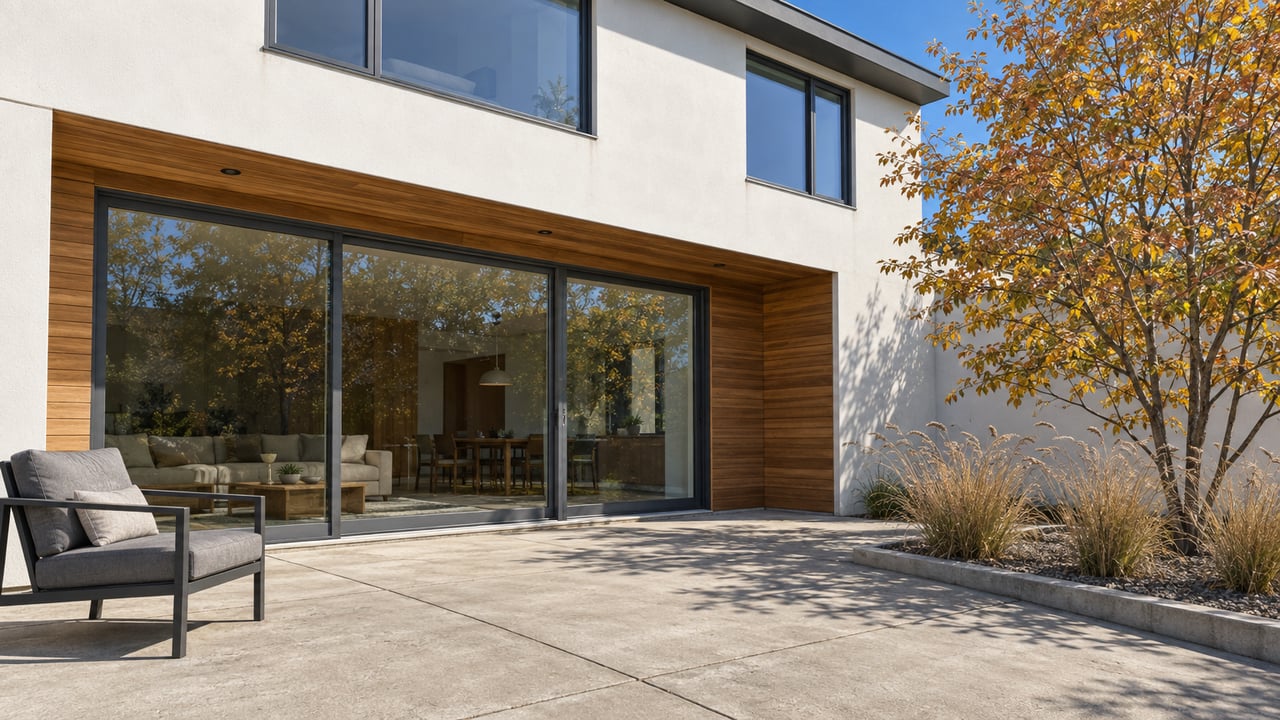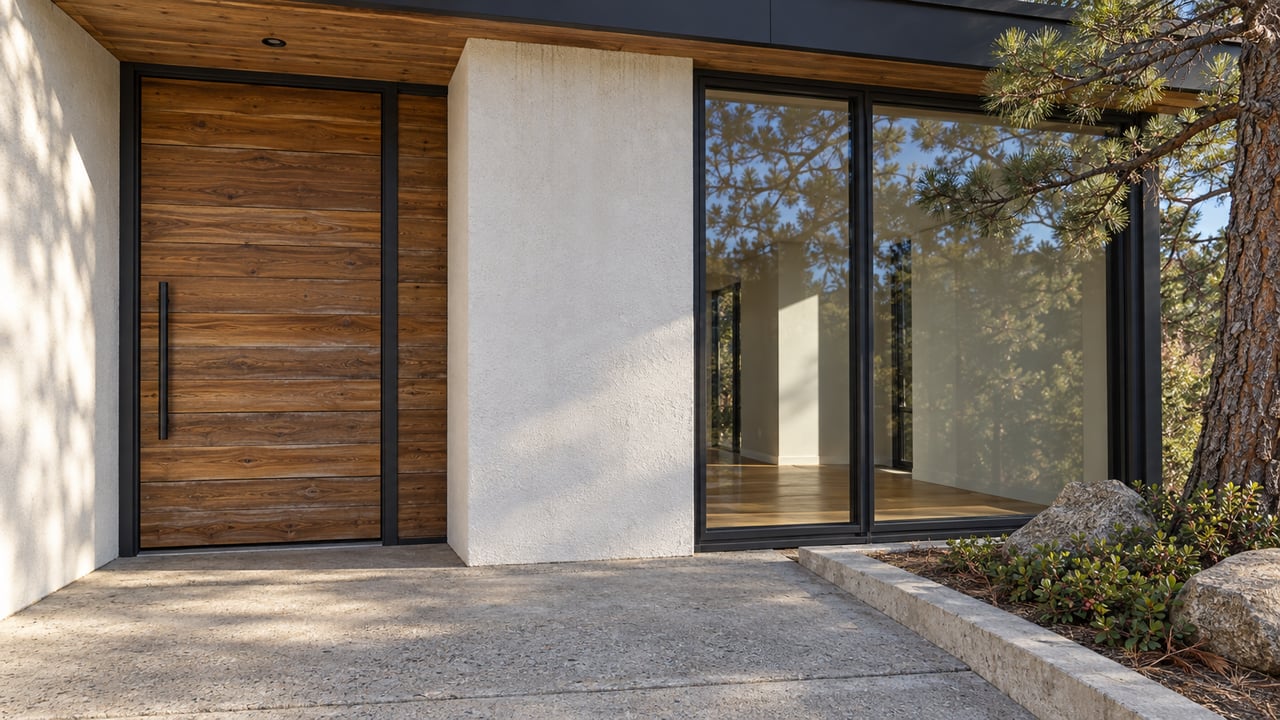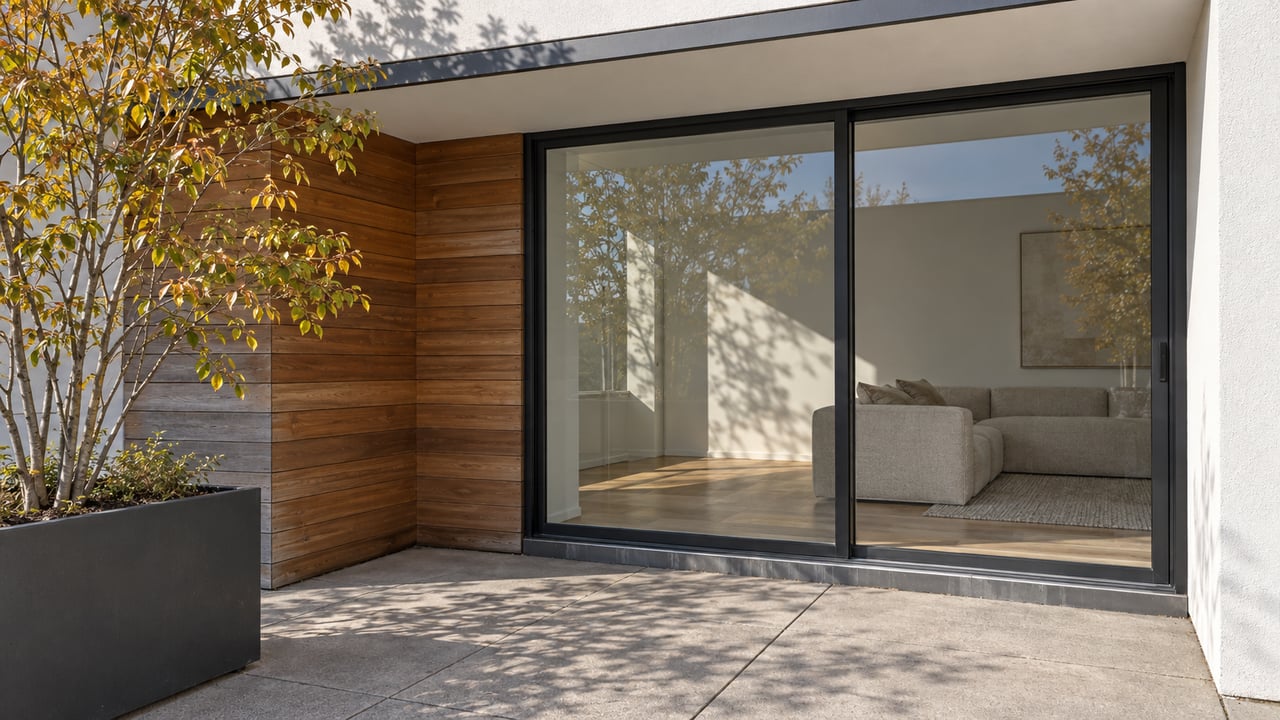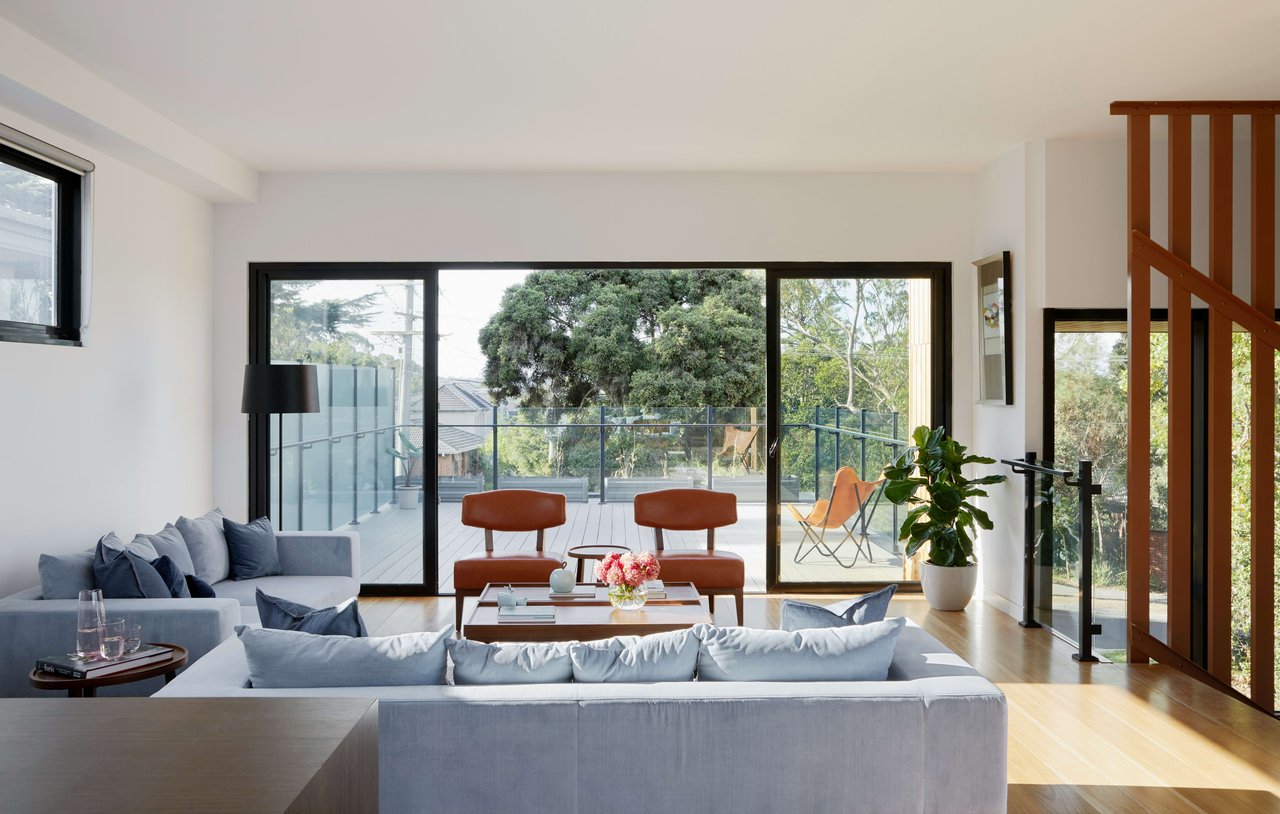
A guide to evaluating Boulder home value begins with a reality that surprises many buyers and sellers: two homes with the same bedroom count, square footage, and ZIP code can command very different prices. In Boulder, value is shaped as much by the feeling of a setting, the quality of design, and daily access to the things you love as it is by a spreadsheet.
Online estimates can be a useful starting point, but they cannot see the Flatirons from a living room window, recognize a thoughtfully executed renovation, or distinguish a quiet block from a busy cut-through street. A well-supported valuation looks closely at the home itself, its immediate surroundings, and the current pool of buyers competing for a limited number of exceptional properties.
Start With the Right Comparable Sales
Comparable sales, often called comps, are the foundation of a credible home valuation. The best comps are recent closed sales of properties that a reasonable buyer would have considered as alternatives to the home being evaluated. They should be similar in location, property type, size, condition, lot characteristics, and overall appeal.
A sale from six months ago may still offer context, but the market may have changed since then. Interest rates, seasonal inventory, and buyer confidence can all affect pricing. In a fast-moving segment, sales from the past 60 to 90 days typically deserve the most attention, with older data adjusted carefully rather than accepted at face value.
Look Beyond Price Per Square Foot
Price per square foot is an easy metric to find and an easy one to overuse. It can help identify a broad range, but it rarely settles the question of value, particularly for distinctive homes. A 2,500-square-foot home with a beautifully finished main level, a protected view corridor, and a walkable location may be worth far more per square foot than a larger home with dated interiors or less usable space.
Below-grade square footage, ceiling height, natural light, floor plan, and the connection between indoor and outdoor spaces all matter. A finished basement can be highly valuable when it functions as a true guest suite, media room, or work-from-home retreat. It may contribute less when the spaces feel dark, low-ceilinged, or disconnected from the rest of the home.
Boulder Location Is More Granular Than a Neighborhood Name
Neighborhood identity matters, but a careful evaluation goes block by block. Homes near Wonderland Lake, Mapleton Hill, Downtown, Whittier, Dakota Ridge-Northbriar, or Pine Brook Hill attract different buyers for different reasons. Even within one neighborhood, the difference between backing to open space and backing to a collector road can be meaningful.
Convenience is part of the value equation. Consider proximity to trail access, parks, restaurants, schools, major commuting routes, and community amenities. Then weigh the trade-offs. A central location may offer walkability and energy but bring more traffic or less privacy. A hillside property may provide remarkable views and a sense of retreat while requiring greater attention to road access, wildfire considerations, slope, drainage, and maintenance.
Privacy, solar orientation, and outlook also deserve close scrutiny. A west-facing patio with mountain views can be a compelling lifestyle feature. So can a mature tree canopy, a private courtyard, or a home that captures morning light in its kitchen and primary suite. These details are difficult to quantify precisely, but buyers consistently respond to them.
Evaluate Condition, Design, and Functional Appeal
Not all updates create the same return. A home with a new roof, updated mechanical systems, quality windows, and a well-maintained exterior often inspires confidence because it reduces the buyer's near-term workload. A stylish renovation can also elevate value, but only when its design choices fit the home and meet the expectations of the likely buyer.
For example, a thoughtfully renovated kitchen with durable materials, integrated storage, and a layout that supports entertaining can influence both price and market time. By contrast, a cosmetic refresh that overlooks worn flooring, aging bathrooms, or awkward circulation may not carry the same weight.
Pay special attention to the features that shape everyday living: the entry sequence, kitchen-to-family-room connection, bedroom separation, home office options, storage, laundry placement, and outdoor entertaining areas. In higher-value properties, buyers often make emotional decisions based on how a home feels within minutes of walking through the door. Good design does not replace sound market analysis, but it can meaningfully strengthen demand.
Separate Improvements From Over-Improvement
Sellers should not assume that every dollar spent on a project will return dollar for dollar at resale. The question is whether the improvement brings the home in line with, or above, competing properties in its market segment. A significant renovation may be especially valuable when it corrects a clear deficiency, such as an outdated kitchen in a neighborhood where buyers expect turnkey homes.
It depends on the property and the buyer pool. Highly personal finishes, specialized rooms, or a level of luxury that exceeds nearby sales may still appeal to the right buyer, but the premium can be less predictable. The goal is not to erase personality. It is to understand how the market will interpret it.
Account for Lot Value and Future Potential
In Boulder, land can be as important as the structure on it. Lot size, usable yard area, views, access, and surrounding development patterns all influence value. A large lot is not automatically superior if much of it is steep, constrained, or difficult to use. Conversely, a modest lot with an exceptional outdoor living area and strong privacy can be highly desirable.
Potential also matters, especially for buyers looking to renovate, expand, or create a multigenerational living arrangement. Before assigning a premium for possibility, verify what is actually feasible. Zoning, setbacks, historic review, easements, floodplain considerations, and permit history can affect future plans. A property’s potential is valuable only when it is realistic.
Read the Market, Not Just the Last Sale
The right list price or offer price is not simply the midpoint of recent comps. Active listings show current competition, pending sales reveal where buyers are committing, and expired listings can show where expectations missed the market. A home that appears overpriced may be poorly presented, while a home that sells quickly above asking may have been strategically positioned to invite competition.
For sellers, pricing is a positioning decision. Starting too high can limit early attention, when a listing is freshest and most visible. Starting with a compelling, market-supported price can create urgency, but only if the home is prepared and marketed to match. For buyers, the lesson is similar: an asking price is a strategy, not an appraisal.
A strong analysis considers financing conditions, the number of qualified buyers likely to pursue the property, and whether the home offers attributes that cannot easily be replicated. Scarcity tends to matter most for properties with a rare combination of location, architecture, views, privacy, and move-in-ready condition.
Use Professional Judgment Before Making a Major Decision
A reliable valuation blends data with local perspective. It requires someone to walk the property, compare it honestly against both closed and active competition, understand its design strengths, and identify the objections a buyer may raise. This is particularly true when a property is unique, renovated, luxury-oriented, or located in a micro-market where few direct comps exist.
For a seller, that perspective can guide preparation, pricing, and which improvements are worth making before launch. For a buyer, it can clarify whether a premium is justified and where negotiation may be possible. Debby Caplin Real Estate approaches this work with both market discipline and an experienced eye for how a home will live, photograph, and resonate with buyers.
Before you rely on an automated estimate or a single sale down the street, take time to place the home in its full context. A thoughtful valuation creates more than a number - it gives you a clearer, more confident path for your next move.