If you want a home in central Boulder without taking on the upkeep of a detached house, Whittier should be on your radar. This neighborhood offers a different kind of condo and townhome search, one shaped by historic streets, limited inventory, and a mix of older buildings and boutique newer homes. In this guide, you’ll learn what to expect from Whittier condos and townhomes, what to watch during due diligence, and how to decide if this neighborhood fits your lifestyle. Let’s dive in.
Why Whittier feels different
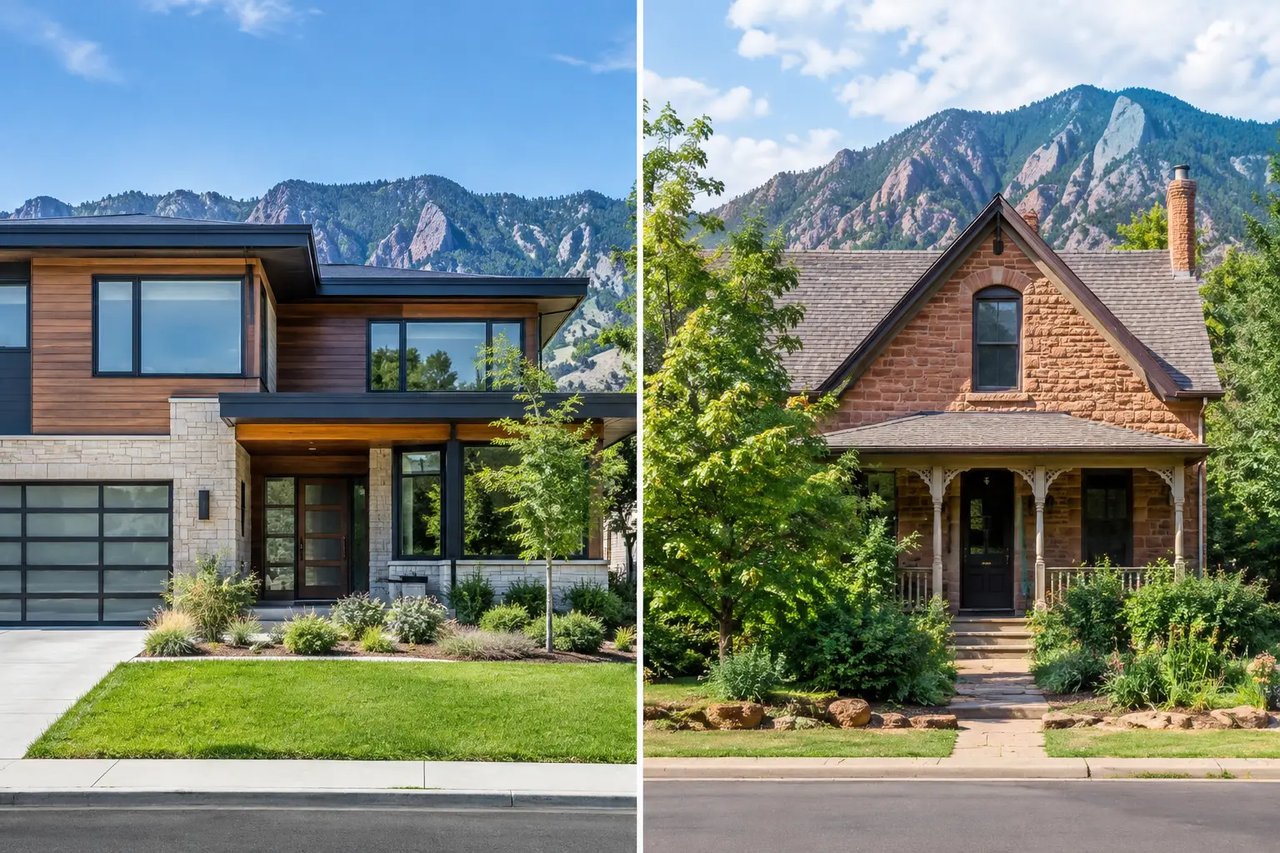
Whittier is one of Boulder’s oldest neighborhoods, with roots going back to the city’s early growth in the late 1800s and a final expansion in 1901. That history still shows up in the built environment today, where you’ll find a mix of larger architect-designed homes, smaller older homes, and later attached or detached structures tucked behind original houses.
For buyers, that means Whittier’s condo and townhome market often feels more varied than a typical planned community. Instead of rows of similar units, you’re more likely to see infill projects, conversions, and smaller-scale developments woven into an established neighborhood setting.
Whittier location and lifestyle
Whittier sits just east of downtown Boulder and near the University of Colorado. That central position is a big part of the appeal if you want easier access to downtown amenities without living directly in the busiest parts of the Pearl Street corridor.
Downtown Boulder is a pedestrian-oriented district centered around the Pearl Street Mall, shops, restaurants, parking garages, and paid on-street parking. In practical terms, living in Whittier can give you close-in convenience while still offering a more residential feel.
Many buyers are drawn to Whittier for its lock-and-leave potential. If you want a home base that supports walking, biking, and lower exterior maintenance, condos and townhomes here can offer that balance.
What condos and townhomes look like here
Whittier is not a large attached-housing market, and that matters when you start your search. Public inventory has been thin, with one recent snapshot showing 5 townhouses for sale at a median listing price of $959K, and a previous month that included 4 condos, 7 townhouses, and 1 multi-family unit.
That small inventory means buyers usually need to stay flexible on timing, layout, and finish level. You may not see many options at once, but the homes that do come up often have more character and individuality than units in a larger condo district.
Older condo buildings
Some of Whittier’s older condo product is compact and practical. Public neighborhood guides identify examples like Shady Creek Condos, a 1973 four-story building with 98 units and one- to two-bedroom homes generally around 700 to 1,100 square feet, as well as Horizon West, a 1971 condominium tower.
If you are open to an older building, you may find a more manageable footprint and a central location. At the same time, older communities often require closer review of HOA finances, insurance, and any upcoming capital projects.
Boutique newer options
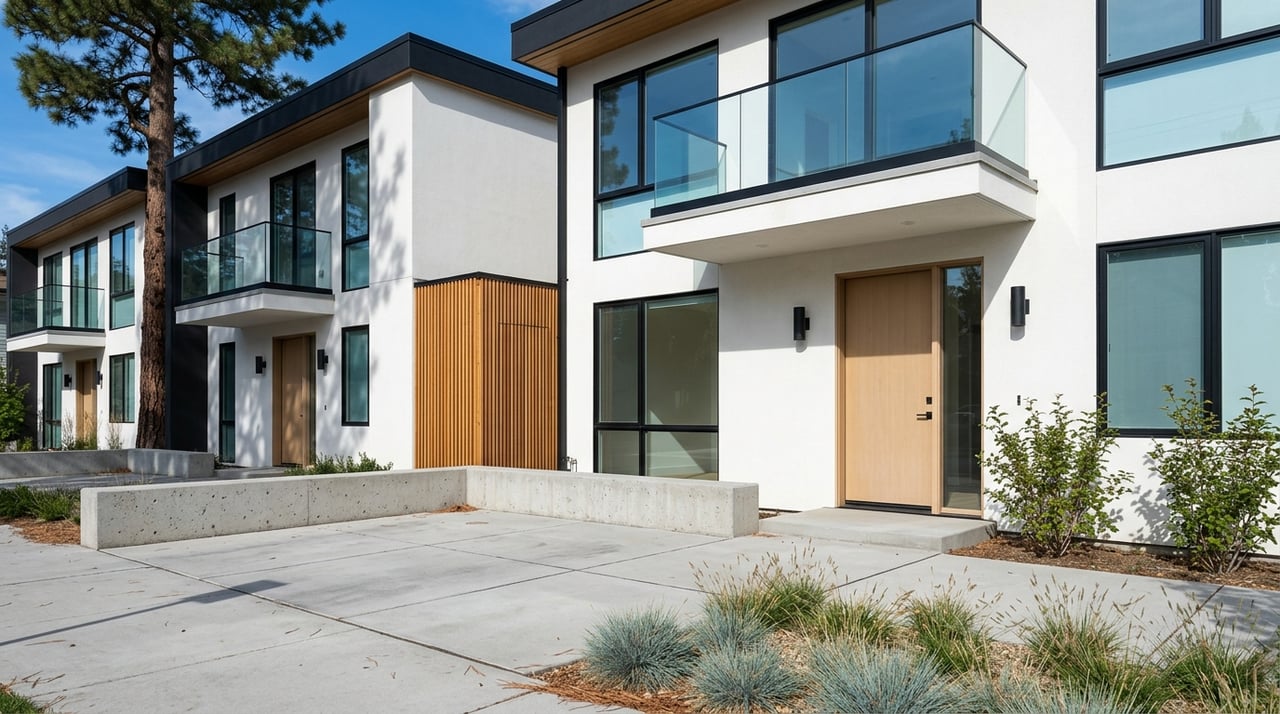
On the newer side, Whittier tends to offer boutique development rather than large-scale new construction. One example in the neighborhood includes a six-residence project with one- to three-bedroom flats and townhouse-style homes, along with private outdoor space, in-unit laundry, deeded underground parking, bike storage, and elevator access.
Floor plans in that kind of project can be much larger than older condo stock, ranging from just over 1,100 square feet to more than 2,400 square feet for flats, and roughly 1,969 to 2,191 square feet for townhouse-style homes. Recent public townhome listings have also shown attached homes around 1,600 to 2,100 square feet with features like rooftop decks and higher-end finishes.
What kind of buyer Whittier fits best
Whittier often works well if you want a central Boulder lifestyle and you value a neighborhood with historic texture. The attached housing here may appeal to you if you like the idea of living near downtown while avoiding the feel of a busier commercial core.
It can also be a strong fit if you prefer boutique inventory over cookie-cutter housing. Because the market is small and mixed in age, buyers who do best here are usually comfortable comparing very different properties instead of waiting for a long list of similar options.
If schools are part of your search, Whittier International Elementary is included in the City of Boulder’s Family Resource Schools program. As with any home purchase, it is wise to confirm current school assignment and program details directly during your search.
The biggest due diligence items
In Whittier, the home itself is only part of the equation. Because condos and townhomes often involve HOA oversight, shared elements, and neighborhood parking rules, your due diligence should go beyond finishes and floor plans.
Review HOA rules carefully
The City of Boulder advises condo and townhome buyers to ask direct questions about:
- Pet rules
- Parking rules
- Business-use limits
- Guest restrictions
- Quiet hours
- Monthly HOA fees
- What the HOA covers
- Fee increases
- Pending special assessments
These details shape your day-to-day life and your monthly carrying costs. A unit that looks perfect on paper can feel very different once you understand the association rules.
Read the association documents
Colorado’s Division of Real Estate says buyers are entitled to review the association documents listed in section 7 of the Colorado Contract to Buy and Sell. The state recommends reviewing governing documents, financial documents, whether the community is professionally managed, and whether the HOA carries adequate insurance.
This is especially important in Whittier, where older buildings and smaller associations may have very different reserves, maintenance histories, and management structures. You also want to understand whether there are any special assessments or other unanticipated costs that could affect your budget.
Understand insurance responsibilities
The state notes that associations must maintain property insurance on common elements. In attached-unit communities such as condominiums and townhomes, claims may arise after hail, disasters, or accidents that affect common elements.
For you as a buyer, the takeaway is simple: make sure you know what the HOA insures and what falls to the unit owner. That split can influence both your monthly costs and your risk exposure.
Parking matters more than you think
Parking is a major practical issue in central Boulder, and Whittier is no exception. The City of Boulder enforces downtown and neighborhood parking rules, uses Neighborhood Parking Permit zones, and charges variable on-street rates downtown.
That means you should confirm exactly what comes with a property. Ask whether the home includes deeded parking, a carport, garage space, or whether the setup depends on street parking or permits.
In a neighborhood this central, parking convenience can affect daily life almost as much as square footage. If you host guests often or rely on a car for commuting, this part of the checklist deserves extra attention.
Renovation and historic review questions
If you are drawn to Whittier for its older buildings or conversion-style properties, renovation limits deserve a close look. In Boulder, if a building is landmarked or located in a historic district, exterior work may require a Landmark Alteration Certificate.
The city also notes that buildings more than 50 years old can trigger demolition review if a proposed modification meets the city’s demolition definition. In a neighborhood with many older structures, that can affect your plans for windows, exterior changes, additions, or larger design updates.
This does not mean you should avoid older properties. It simply means you should match the home to your goals. If you want turn-key ease, a newer or recently updated property may be the better fit. If you love character and are open to a more careful approval process, an older unit may offer a different kind of opportunity.
A simple way to compare options
When you tour Whittier condos and townhomes, try comparing each home through a few practical lenses instead of price alone.
Use this buyer checklist
- Building age: Is this an older condo building, a conversion, or newer boutique construction?
- HOA health: Are the fees, reserves, insurance, and management structure clear?
- Parking: Is parking deeded, assigned, permit-based, or mostly street dependent?
- Rules: Do pet, guest, or rental restrictions match how you plan to live?
- Future work: Could historic or exterior review affect your renovation plans?
- Lifestyle fit: Do you want compact convenience, larger square footage, outdoor space, or lock-and-leave ease?
That framework can help you compare very different properties more confidently in a neighborhood where no two listings feel exactly alike.
Why local guidance helps in Whittier
Because Whittier’s attached-housing market is small, central, and mixed in age, buying here often takes more nuance than buying in a larger condo complex. You are not just evaluating a floor plan. You are weighing building history, HOA structure, parking logistics, and the tradeoff between character and convenience.
That is where design awareness can also help. It is easier to judge whether an older condo can be improved, whether a townhome’s layout fits your daily routine, or whether a boutique new build delivers value when you look beyond surface finishes and focus on how the space will actually live.
If you are considering Whittier, the right strategy is usually part patience and part preparation. Know your must-haves, review the association details carefully, and be ready to move when the right opportunity appears.
If you want help sorting through Whittier condos and townhomes with a neighborhood-specific, design-aware lens, Debby Caplin Real Estate dba Bolder By Design can help you evaluate your options and buy with confidence.
FAQs
What makes Whittier condos and townhomes different from other Boulder options?
- Whittier’s attached housing is typically smaller in inventory and more mixed in style, with older condo buildings, conversions, infill projects, and boutique newer developments instead of large master-planned communities.
What should buyers review in a Whittier HOA before closing?
- You should review HOA rules, monthly fees, what the HOA covers, fee increase history, pending special assessments, governing documents, financials, management structure, and insurance coverage.
What parking questions matter for Whittier condo and townhome buyers?
- You should confirm whether the property includes deeded parking, assigned parking, a carport, garage space, or relies on neighborhood permits or street parking, since central Boulder parking rules can affect daily convenience.
Can buyers renovate older condos or townhomes in Whittier?
- In some cases, yes, but exterior work may require additional city review, especially if a property is landmarked, in a historic district, or part of an older building that triggers Boulder’s permit or demolition-review rules.
Who is a good fit for buying a condo or townhome in Whittier, Boulder?
- Whittier can be a strong fit if you want central Boulder access, a more residential setting near downtown, and a home with lower exterior maintenance, boutique character, or lock-and-leave convenience.