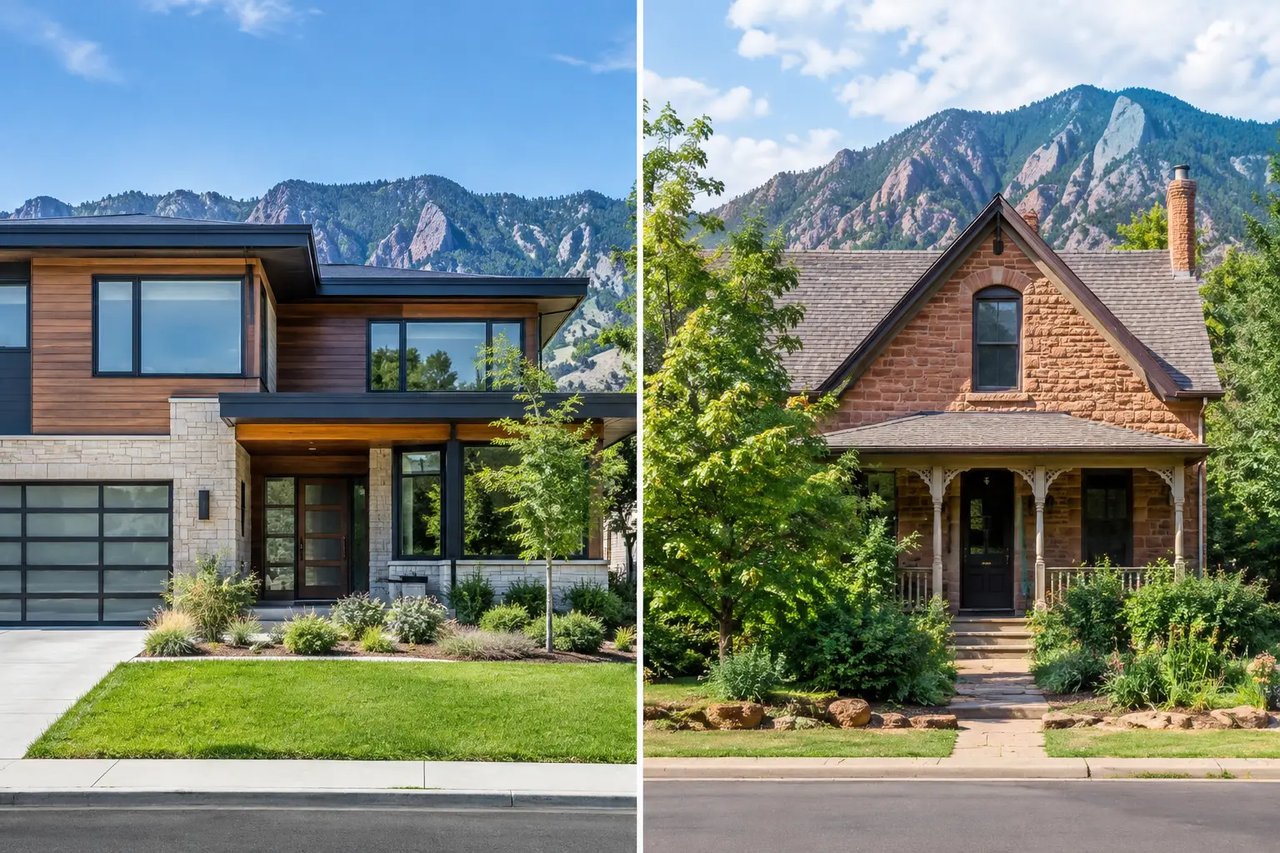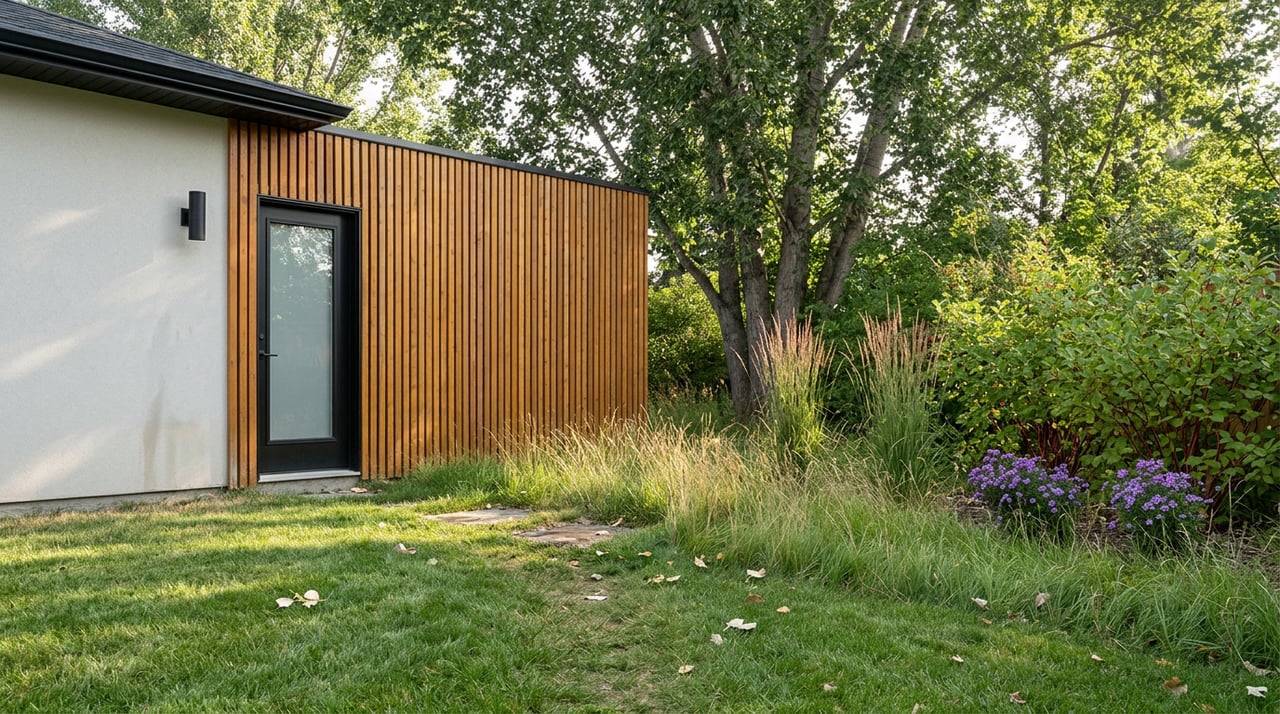
What happens when you own thirty feet of your own backyard and still cannot legally build on it?
That question showed up recently for a Melody Heights homeowner sketching out a mudroom addition along the back of the house, the kind of project a lot of buyers picture the moment they see a deep lot backing onto the greenbelt near Farmer's Ditch. The contractor pulled a tape measure and a set of county maps before pulling a permit, and the buildable envelope on paper turned out to be smaller than the fence line. The ditch running along the rear property boundary, the same one that dictates where the neighborhood's playground hides and where the parks connect, was quietly doing something else entirely: reserving a strip of land the deed never mentioned.
If you are buying, selling, or planning an addition on a lot that touches that corridor, this is the part of the transaction that catches people off guard. Not the ditch itself. The setback it carries, and the fact that your title company may never say a word about it.
Why the Title Commitment Stays Quiet
Most buyers assume that if an easement affects their land, it shows up in the title work before closing. Ditch easements in Colorado do not play by that rule. Under Colorado law, a ditch owner does not need a recorded deed or a signed agreement to hold a valid right-of-way across your property. Once a ditch has been dug and used without objection from the underlying landowner, the law presumes consent was given, and that consent cannot later be withdrawn. A law firm that handles water rights disputes across the Front Range put it plainly: this presumption of consent is exactly why a ditch easement can exist without a single sheet of paper describing it, which means a title search built entirely on recorded documents can miss it.
That is not a title company error. It is how Colorado ditch law was built, going back to a framework Colorado's 1876 constitution locked in to make sure water could move from a stream to a field even when it crossed someone else's land along the way. The easement is real. It is enforceable. It is often just not written down anywhere a standard search would find it.
The Number That Actually Matters: 50 Feet
Here is the part that turns an abstract legal concept into a concrete design problem. Boulder County's land use code sets a specific setback for any structure built near an irrigation ditch: fifty feet from the centerline of the ditch, for any structure built after October 10, 1996. That single sentence in the county code is the reason a deep-looking Melody Heights lot can still leave a homeowner with far less usable yard than the plat suggests once an addition, a detached garage, or even a good-sized shed enters the plan.
The gap between what people assume and what the code actually requires tends to look like this:
| What most buyers assume | What Boulder County's code actually says |
|---|---|
| My deed shows the boundary. That's my buildable line. | The ditch centerline, not your fence or lot line, is the reference point for the setback. |
| An older ranch home near the ditch already proves it's fine to build there. | The 50-foot rule only binds structures built after October 10, 1996. A 1962 ranch house may sit inside that zone legally, while an addition built today may not. |
| The setback is a fixed number everywhere. | The county can reduce it with written concurrence from the applicable ditch company establishing a different distance, but that requires a specific letter, not an assumption. |
That distinction between an existing structure and a proposed one matters enormously in a neighborhood built out mostly before 1996. A house that has always been close to the ditch is not evidence that a new structure can be built the same distance away. It is evidence that the rule did not exist yet when that house went up.
Fences Are Not Automatic Either
The setback governs new structures. Fences carry a separate wrinkle. Colorado law generally gives the ditch company and its water users the right to prohibit or set conditions on fencing within the ditch right-of-way, because a fence that blocks equipment or crew access can interfere with the company's ability to clean, repair, or maintain the ditch. That means a straightforward backyard fence plan along a rear lot line that borders Farmer's Ditch is worth a phone call before it is worth a contractor quote, not because the answer is likely to be no, but because the answer depends on the specific ditch company's own rules rather than a general assumption that a fence is always fine on your own land.
What to Actually Check Before You Write, or Waive, an Offer
For anyone close to making a move on a property along this corridor, the due diligence is specific and answerable well before closing:
- Ask who operates the ditch. Many Colorado ditches are run by a mutual ditch company, and the company's contact information is usually the fastest way to get a real answer about setback letters, fence conditions, and maintenance access.
- Request an Improvement Location Certificate or a full survey rather than relying on the plat. This is the tool that actually shows the ditch centerline and measures the fifty feet from it, which a standard title commitment will not do.
- If the home already has an addition, garage, or outbuilding near the ditch, ask when it was built. Anything constructed before October 10, 1996 sits outside the current rule. Anything built after that date should have gone through the setback review, and it is fair to ask for that documentation.
- Do not assume a dry-looking ditch has been abandoned. Colorado courts require clear and unequivocal evidence of intent to abandon an easement, and simple nonuse, even for years, does not meet that bar on its own.
This is exactly the kind of groundwork that turns a backyard dream into a buildable plan rather than a permit denial six months after closing. It is also where a design-first walk-through of the lot, done before an offer rather than after, tends to save both money and disappointment. Knowing the real buildable footprint changes how a floor plan gets drawn, where a deck actually goes, and what a seller can honestly promise a buyer about future additions.
Two Questions Worth Asking Before You Sign
If Farmer's Ditch looks dry most of the year, does the easement still apply? Yes. Colorado courts have set a deliberately high bar for proving a ditch has been abandoned. A ditch that has not carried visible water in years, or one that has partly filled with sediment, does not lose its legal standing just because it looks quiet. The easement holder would need to show a clear, affirmative intent to give it up, not simply years of low use.
Who is responsible if the ditch overflows onto my property? Ditch companies and larger irrigation districts typically carry liability insurance against that kind of event. Smaller, individually held ditch rights sometimes do not carry the same coverage. If a property's ditch access runs through a private arrangement rather than a managed company, it is worth a direct conversation with your insurance agent about what your policy actually covers before you close.
Farmer's Ditch is one of the things that makes Melody Heights feel the way it does, with mature trees, connected greenways, and yards that back onto something more interesting than another fence line. That same feature comes with real rules about where a home can grow. Knowing the difference between your lot line and your buildable line before you write an offer, or before you draw up renovation plans, is the difference between a plan that sails through permitting and one that gets redrawn at the county's request.
If you are weighing a property along this corridor, or already own one and are sketching out what comes next, Debby Caplin can walk the lot with you, pull the right ditch company contacts, and pair that groundwork with the kind of design consultation that turns a real buildable envelope into a plan worth building. Get your instant home valuation and design consult to start with the numbers that actually apply to your address.