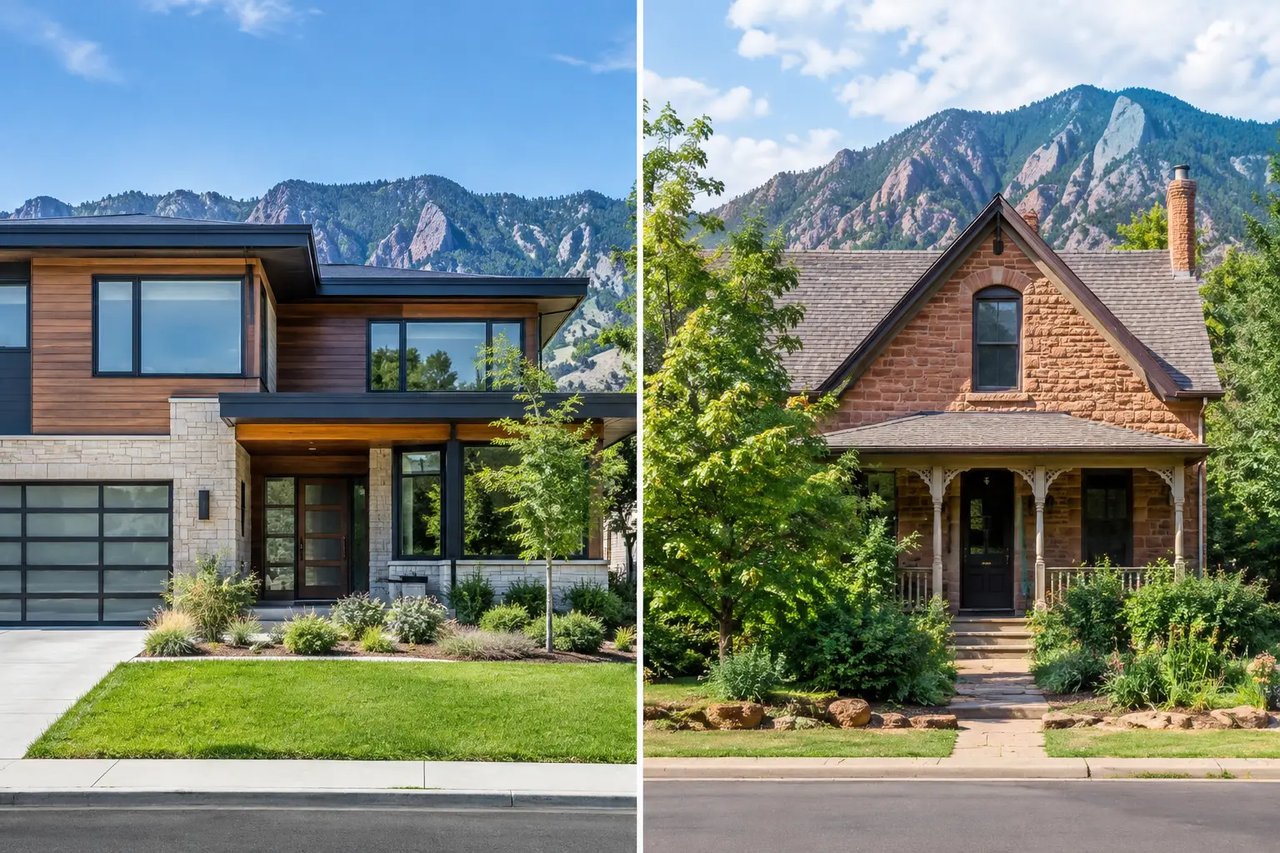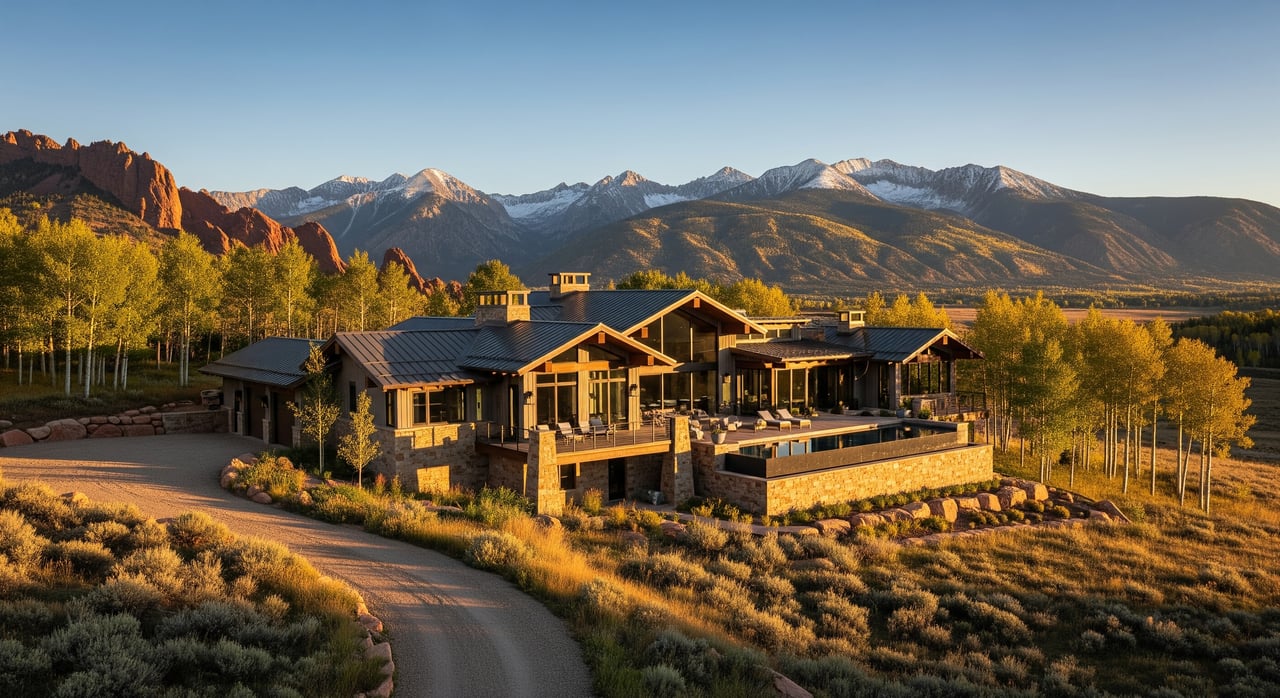
Buying in Norwood from hundreds of miles away can feel intimidating. You are doing serious due diligence without standing in the living room or smelling the mountain air. Add rural realities like wells, septic systems, winter road access, and spotty cell service. It is a lot. This guide walks you through a clear, step-by-step process tailored to Norwood so you can buy with confidence from afar. You will learn how to vet homes via video, manage inspections remotely, protect your wire, and close without boarding a plane. Let’s dive in.
Step 1: Clarify goals and budget
Start with purpose and practical limits. Are you buying a primary home, a getaway, or a long-term hold? In Norwood, some properties are on private roads with seasonal access. Be honest about your comfort with snow, gravel roads, and rural upkeep.
Get clear on numbers. Beyond your purchase price, plan for rural ownership costs like propane, septic maintenance, well testing, road maintenance agreements, and wildfire mitigation. If you will upgrade finishes or add outbuildings, pencil in a reserve.
Engage a local buyer’s agent early. A trusted partner on the ground can preview homes, run fast video tours, gather disclosures, and coordinate local pros. That real-time support matters in a small market where inventory can move quickly.
Step 2: Search and vet homes remotely
Use 3D and live video
Ask for high-quality photos, 3D tours, and live video walkthroughs. Live sessions on Zoom or FaceTime let you direct the camera to inspect details like window seals, crawlspace access, or driveway grade. For acreage, request drone video to see topography, outbuildings, and access points.
Collect critical documents
Request everything up front: seller disclosures, well permit and well log if applicable, septic permit and pump-out history, covenants or HOA documents, tax records, prior inspection reports, and a plat map. These help you compare properties apples to apples.
Watch for rural red flags
Flag items to verify early. Shared driveways and private roads should have clear maintenance agreements. Ask about irrigation structures and any water rights. Check for floodplain exposure, wildfire mitigation status, and the condition of fences and outbuildings. Note internet options and cell carriers that actually work at the address.
Step 3: Write and negotiate from afar
Lean on e-signatures
Colorado real estate contracts are often executed electronically. Confirm the e-sign platform your agent and the title company accept. Decide how you will deliver earnest money, and get the title company’s wiring procedures in writing.
Use strategy for thin inventory
In a small market, the cleanest offer often wins. You can adjust timelines and contingency windows to be competitive while staying protected. Discuss the tradeoffs of inspection scope, financing timelines, and appraisal terms before you submit.
Step 4: Complete inspections remotely
Livestream the general inspection
Hire a licensed inspector familiar with rural Colorado homes. Ask them to livestream or record the inspection and to focus on the roof, foundation, HVAC, water systems, septic, and access roads. You can also request measurements and close-ups of big-ticket items.
Order specialist tests
For rural properties, go deeper. Typical add-ons include:
- Well flow and water quality testing for coliform and nitrate
- Septic evaluation and confirmation of permit and location
- Chimney and wood-stove safety check
- Pest and wood-borer evaluation
- Radon test where relevant
- Electrical review, especially if there is a generator or off-grid components
Confirm boundaries and easements
If fences or corners are unclear, consider a survey. Ask your agent and the title company to review recorded easements, access agreements, and any surface-use or mineral reservations.
Negotiate repairs or credits
Use written reports and photos to prioritize. If the seller agrees to repairs, define scope, who performs the work, materials, and completion deadlines. Ask for photo or video proof before closing.
Step 5: Manage appraisal, title, and insurance
Plan for rural appraisal realities
Comparable sales in San Miguel County can be limited. Your lender may need extra time or additional documentation. Coordinate with your agent to give the appraiser easy access and thorough photos.
Review title early
Ask the title company for the commitment as soon as possible. Look for easements, encroachments, conservation easements, or mineral rights reservations that could affect your plans. Clarify road access and any recorded maintenance agreements.
Get insurance quotes early
Wildfire risk and distance to emergency services can influence premiums and availability. Some insurers require defensible space or certain roofing and vent materials. Start quotes early so there are no surprises.
Step 6: Close without traveling
Choose the right remote signing path
Many title companies support electronic signing and remote notarization, depending on provider capability and local acceptance. Confirm what is allowed in San Miguel County early. If full online notarization is not available, ask about a mail-away closing or signing with a notary near you.
Protect your wire
Before sending funds, call the title company using a phone number you know is correct and confirm wiring instructions verbally. Do not rely only on email. Be alert to last-minute changes or attachments asking you to re-route money.
Confirm recording and keys
After closing, the title company records the deed and mortgage with the county. Request copies of recorded documents. Coordinate key handoff with your agent, whether by lockbox, local pickup, or courier.
Step 7: Set up utilities and services
Verify providers before you buy
- Electricity: Many properties are served by a local cooperative. Ask about average rates, outage history, and whether lines are overhead.
- Water: Confirm municipal water or private well. For wells, request the permit and log, plus recent test results.
- Sewage: Most rural homes use septic. Get the permit, location map, and pump-out history, and schedule an inspection.
- Gas/propane: Natural gas lines may not be available. Ask about tank ownership and delivery schedules.
- Internet and cell: Coverage varies by location. Explore satellite options and fixed-wireless or DSL where available. Confirm speeds if remote work is essential.
- Roads and snow: Verify who maintains the road and the plan for winter. Check for seasonal access limitations and how they impact deliveries.
- Mail and trash: Some addresses use PO boxes. Ask about transfer stations, pickup schedules, and fees.
How Debby simplifies remote buying
You do not have to imagine everything from a distance. With a design-led process and on-the-ground coordination, you can make decisions quickly and confidently:
- Live video walkthroughs that you direct, with measurements and close-ups of high-wear areas.
- Edited, narrated tours that summarize layout, light, sound, and exterior approach so you feel the flow of the home.
- 3D tours and simple floor plans with basic room measurements to plan furniture and upgrades.
- Design mood boards tailored to the property and your taste, plus annotated photos that show paint options, finish changes, and estimated budget ranges using local contractor input.
- A vetted vendor network for inspectors, well and septic pros, handypeople, and property managers. Coordination includes scheduling, on-site supervision, and photo or video updates.
Quick remote-buyer checklist
- Define goals, comfort with rural access, and upgrade budget.
- Secure a strong pre-approval or proof of funds.
- Hire a local agent as your eyes, ears, and camera.
- Use 3D, live video, and drone footage to vet homes.
- Collect disclosures, well and septic records, plat, and tax history.
- Confirm road access and maintenance agreements.
- Schedule general and specialist inspections with livestreams.
- Review the title commitment early and clarify easements.
- Start insurance quotes and wildfire mitigation planning.
- Choose remote closing method and verify wiring by phone.
Typical timeline
- Week 0 to 2: Pre-approval, define search, engage your agent.
- Week 1 and ongoing: Virtual showings and document review.
- Offer day: E-sign and confirm earnest money delivery plan.
- Week 1 to 3 after acceptance: Inspections, appraisal order, title commitment, well and septic tests.
- Week 3 to 6: Negotiate repairs or credits, finalize insurance, satisfy lender conditions.
- Week 4 to 8: Closing package, remote signing or mail-away, wire funds, record, receive keys.
What to expect in Norwood
Norwood is a small mountain town with a mix of in-town homes and rural properties that can include wells, septic, propane, and long private drives. Inventory is often limited, so being prepared and responsive is essential. Internet and cell coverage can vary by address. Plan to verify providers and speeds, and consider satellite options when necessary. With the right team and a clear process, you can complete a Norwood purchase from your current city without missing a step.
Ready to explore homes from afar with a design-led plan and on-the-ground support? Reach out to Debby Caplin Real Estate dba Bolder By Design to start your remote buying strategy for Norwood and nearby communities.
FAQs
Can I buy a Norwood home entirely remotely?
- Many steps can be handled online, including showings, inspections, and signing, but confirm early which closing documents require in-person or remote notarization.
How do virtual inspections work for rural homes?
- Your inspector can livestream and record the visit while you direct focus areas, but third-party licensed inspections remain essential to catch issues you might miss on video.
How are appraisals handled in rural San Miguel County?
- Expect fewer comparable sales and potential timing needs; work with your lender and agent to support the appraiser with access, context, and thorough documentation.
How do I verify wire instructions safely?
- Call the title company using a verified phone number and confirm instructions verbally; never rely only on email or accept last-minute changes without a phone check.
What surprise costs are common with rural properties?
- Common items include well pump or treatment needs, septic repairs, private road maintenance, wildfire mitigation, and higher insurance premiums tied to location and risk.