A luxury home can be beautifully renovated, architecturally significant, and perfectly positioned - and still miss the market if the price is off.
That is what makes how to price luxury homes so different from pricing a more typical property. At the high end, buyers are not only comparing square footage and recent sales. They are weighing scarcity, design quality, privacy, lifestyle fit, and whether a home feels worth the premium being asked. The margin for error is larger in dollars, but smaller in buyer patience.
Why luxury pricing is different
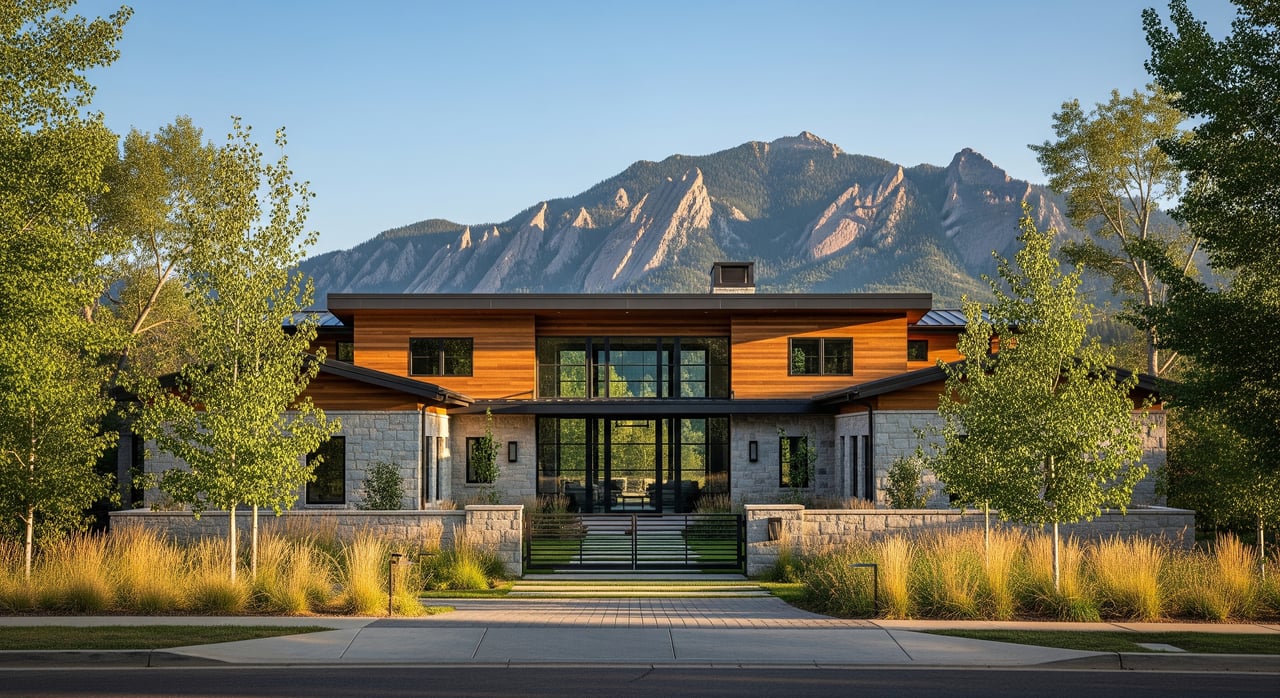
Luxury pricing is rarely a simple matter of pulling a few comparable sales and splitting the difference. In many luxury neighborhoods, there may be only a handful of truly relevant sales from the past six to twelve months. Even then, no two properties are quite alike. One may have flatirons views, another may back to open space, and another may have a level of finish that photographs well but does not hold up in person.
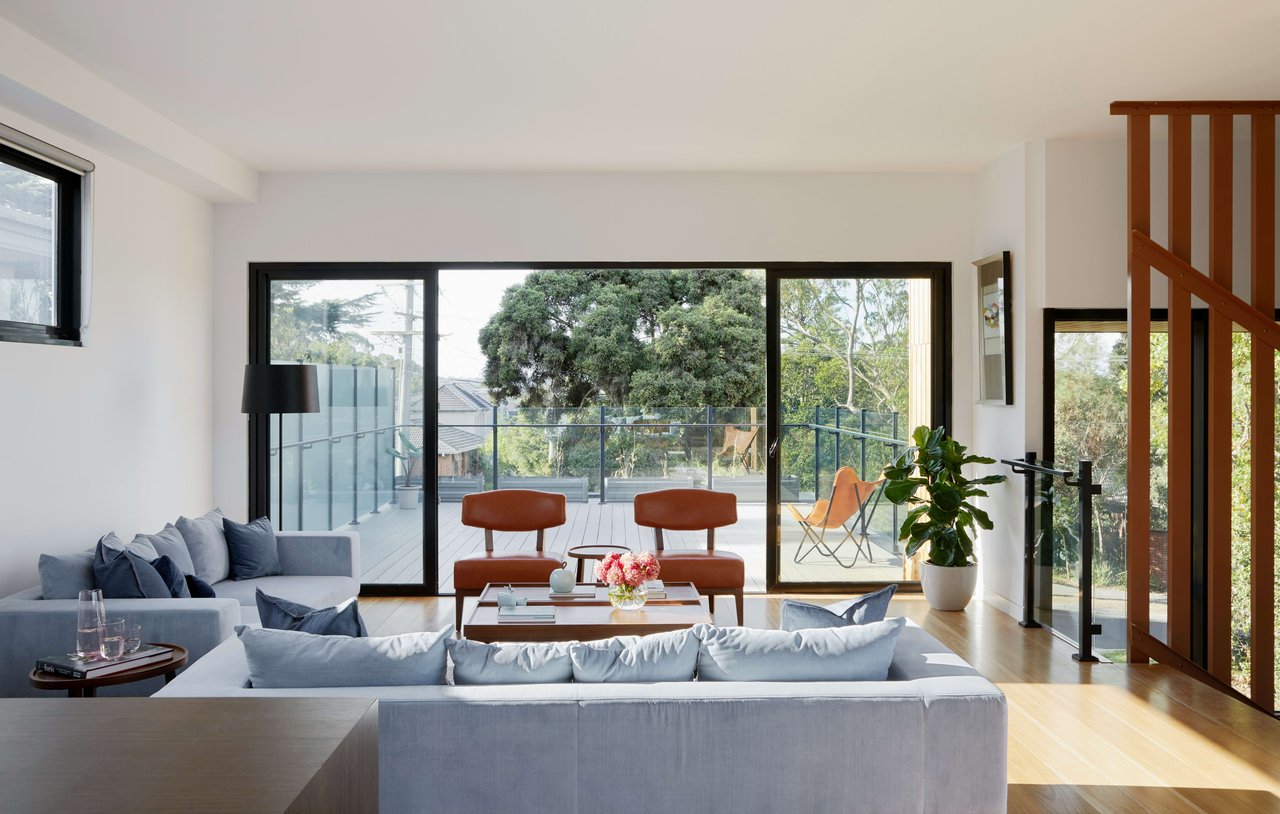
At this level, buyers are paying for a total experience. They care about architecture, lot placement, privacy, natural light, outdoor living, and the emotional impact of the home itself. A property with strong design cohesion and a sense of ease can outperform a larger home with more technical features but less appeal.
This is also why overpricing is especially risky in luxury real estate. A home that enters the market too high often loses momentum quickly. Sophisticated buyers notice days on market. They start to wonder what is wrong, or they assume the seller is not serious. Once that perception sets in, price reductions do not always repair it.
Start with the market, not the seller's goal
Every seller has a number in mind. Sometimes it is tied to a recent neighbor sale, a renovation budget, or the amount needed for the next move. Those details matter in planning, but they should not drive valuation.
The market does not reward a home based on what the owner spent or hopes to net. It responds to what qualified buyers are willing to pay today, in the current interest rate environment, with the current inventory mix, and within the context of competing listings.
That means the first step is not asking, "What do we want?" It is asking, "How will the best buyer evaluate this home against the alternatives?"
For luxury sellers, that shift in perspective is powerful. It turns pricing from a wish into a strategy.
How to price luxury homes using the right comparables
Comparable sales still matter. They just need to be selected with much more care.
A good luxury comp is not simply nearby or recent. It should reflect a similar buyer profile and a similar level of desirability. In practice, that means looking beyond basic stats and studying the details that shape demand.
Look at true peer properties
A five-bedroom home is not necessarily comparable to another five-bedroom home. In luxury markets, buyers often sort by architecture, lot quality, view corridors, privacy, school access, walkability, and finish level before they even think about bedroom count.
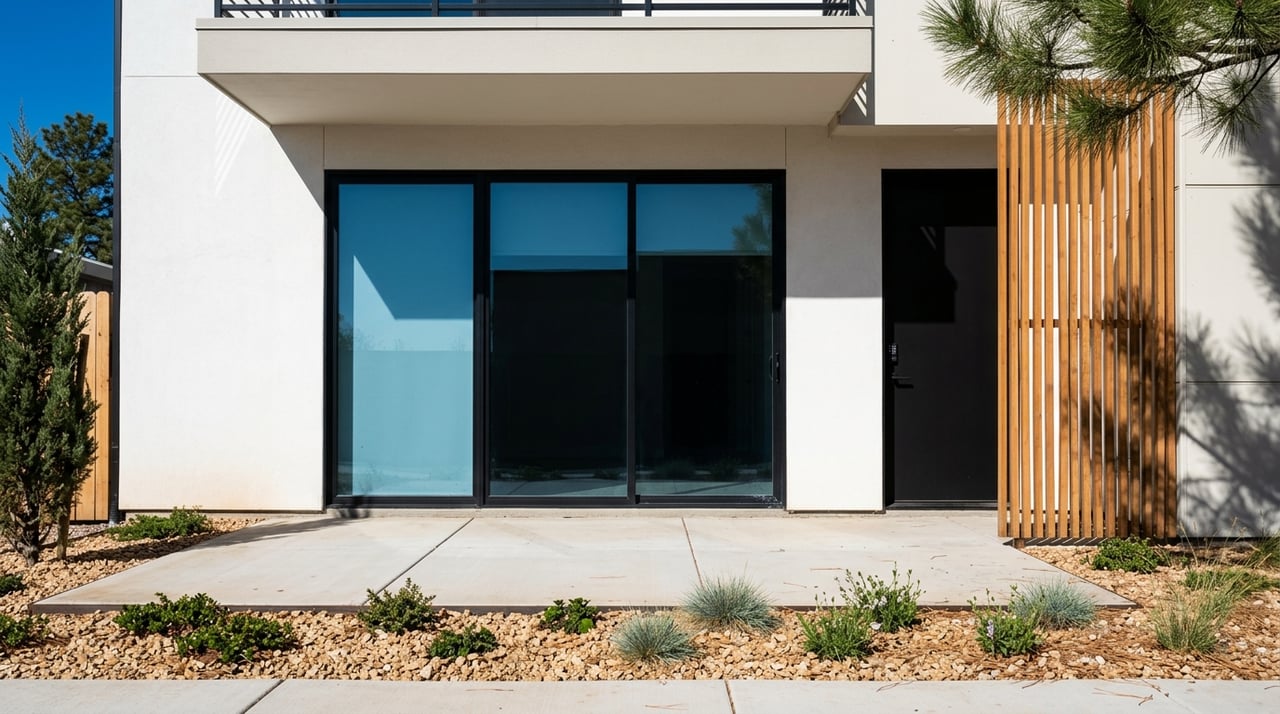
A modern home with walls of glass and a resort-style backyard attracts a different buyer than a traditional property with formal rooms and mature landscaping. Both may be expensive, but they are not interchangeable.
Adjust for what buyers actually value
Not every upgrade deserves a dollar-for-dollar bump. Some improvements create strong value because they shape the buyer's first impression and daily experience. Kitchens, primary suites, window placement, indoor-outdoor flow, and curated finishes often matter more than niche technical upgrades that sellers assume are major assets.
The same goes for location within a neighborhood. In places where buyers care deeply about views, quiet streets, trail access, or proximity to downtown, micro-location can shift value dramatically.
Study active competition, not just sold homes
Sold data tells you what the market accepted. Active listings tell you what buyers are rejecting, considering, or waiting on. That distinction matters.
If similar homes are sitting without offers, pricing above them usually requires an exceptional reason. If strong listings are moving quickly, that can signal room to position confidently. The goal is not to chase the highest sale. It is to understand where your home fits in the current lineup.
The role of presentation in pricing
Luxury pricing and presentation are inseparable.
A home that is beautifully prepared can support stronger pricing because buyers perceive less risk. They see care, consistency, and value. A home with visual distractions, dated finishes, or rooms that feel unresolved may struggle to achieve the same number, even if the bones are excellent.
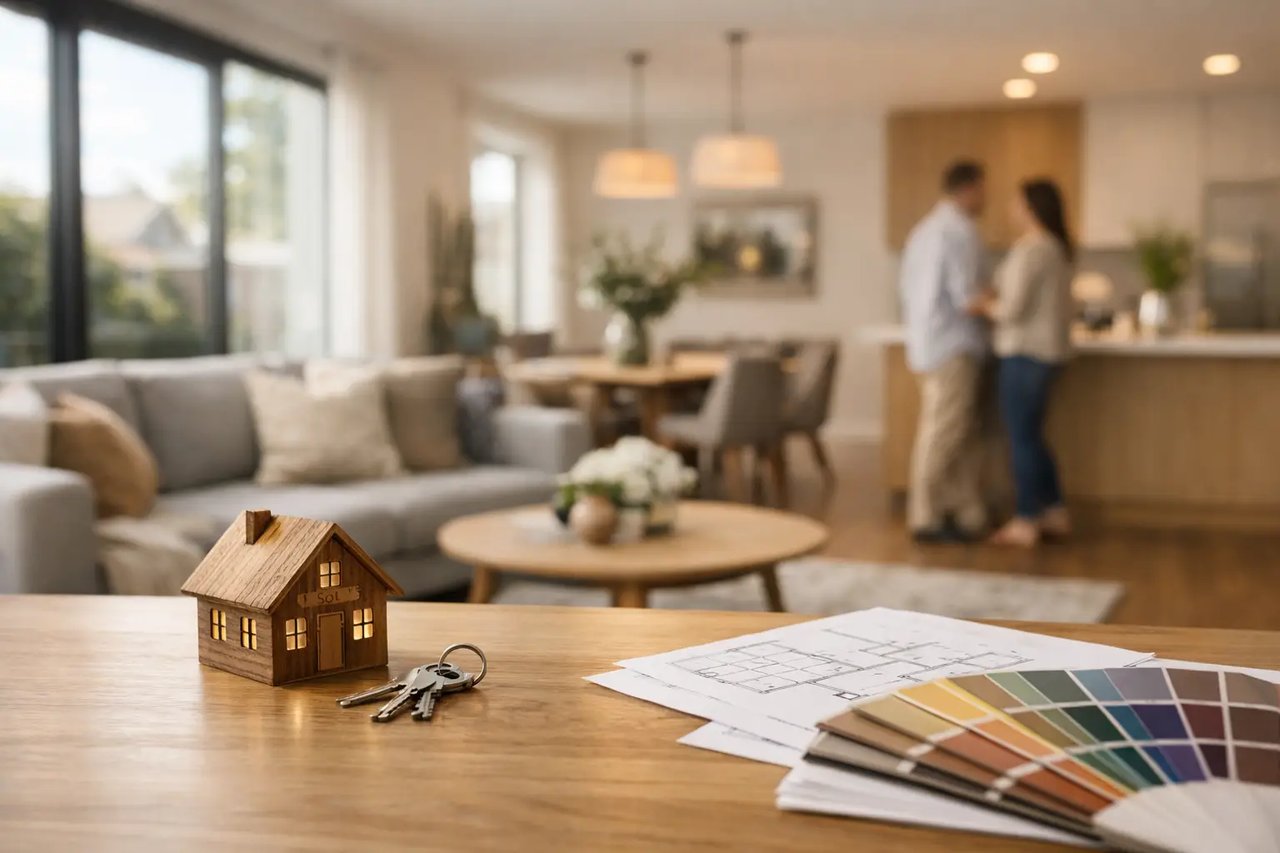
This is where design perspective becomes especially useful. Sometimes the issue is not the house itself but how it is being introduced to the market. Lighting, paint tone, furniture scale, styling, and photography all influence whether buyers see a premium property or a project.
That does not mean every seller needs a major pre-listing renovation. Often, strategic changes make the biggest difference. Refining key spaces, editing visual clutter, and creating a cohesive look can elevate perceived value far more effectively than spending heavily in areas buyers barely notice.
Price for attention, not negotiation theater
Some sellers believe it is smart to start high and negotiate down. In luxury real estate, that approach can backfire.
The strongest buyers are usually well informed. They have seen enough inventory to spot inflated pricing quickly. When a home enters the market above its likely value range, it may get showings but not urgency. Buyers wait. They assume reductions are coming. The seller loses leverage before a negotiation even begins.
A better strategy is to price where the home feels compelling relative to its competition. That does not mean underpricing. It means choosing a number that invites serious interest from the right audience and creates the conditions for stronger offers.
The sweet spot is rarely the highest imaginable number. It is the number that makes a qualified buyer feel they should act before someone else does.
Timing changes the answer
Luxury pricing is never fixed. Seasonality, inventory shifts, and macro conditions all affect how buyers behave.
In a low-inventory environment, a rare property may command a premium simply because alternatives are scarce. In a more crowded market, even exceptional homes need sharper positioning. Interest rates also matter, especially for move-up buyers balancing financing choices, liquidity, and market uncertainty.
Local timing matters too. In a place like Boulder, buyer demand can change around school calendars, second-home decision cycles, and relocation windows. A home with broad family appeal may need a different strategy than one aimed at downsizers or buyers seeking a lock-and-leave lifestyle.
This is one reason static online estimates tend to miss the mark at the luxury level. They cannot fully account for timing, design quality, or the emotional premium attached to a special property.
When a home is truly one of a kind
Some luxury homes do not have clean comparables. They may sit on an extraordinary lot, have distinctive architecture, or offer a combination of setting and craftsmanship that rarely comes to market.
In those cases, pricing becomes a blend of evidence and judgment. You still ground the analysis in sales, active inventory, and buyer behavior. But you also have to assess rarity.
Rarity can justify a premium, but only if buyers recognize it and can emotionally connect to it. A one-of-a-kind property is not automatically worth more because it is unique. It is worth more when its uniqueness is desirable, legible, and difficult to replicate.
That distinction matters. Some custom homes are deeply personal in ways the market does not reward. Others feel timeless and magnetic. Knowing the difference is part of pricing well.
The best pricing conversations are honest
Luxury sellers deserve thoughtful advice, not flattery.
A strong pricing strategy should include the upside case, the conservative case, and the risks attached to each. It should explain where buyer resistance may appear, what features are likely to carry a premium, and what adjustments could improve market response before launch.
That kind of conversation is especially valuable when emotion is involved, and it usually is. Sellers have memories tied to the home. They have invested money, energy, and taste into the property. Respecting that while still being candid about the market is part of good representation.
At Debby Caplin Real Estate, that is often where the real value begins - not with a generic price opinion, but with a tailored strategy that considers market data, buyer expectations, neighborhood nuance, and the visual story a home tells.
What sellers should ask before setting the price
Before a luxury home goes live, a few questions are worth asking. Does the price make this property feel competitive among the homes a serious buyer would also consider? Does the presentation support the number? Is the strategy built for the current market, or for a market that existed six months ago?
If the answers are not clear, the price probably is not either.
A well-priced luxury home does more than attract attention. It protects momentum, strengthens negotiating position, and gives buyers a reason to engage while the listing still feels fresh. And in a market where perception moves quickly, that early window matters more than most sellers realize.
The right price is not just a number on paper. It is the opening move in the entire sale.