Want the calm of the foothills without losing touch with Boulder life? Pine Brook Hills offers that blend, yet buying here is not the same as buying in town. You balance bigger lots and sweeping views with things like road maintenance, septic systems, wildfire planning and insurance prep. This guide walks you through the essentials so you can buy with confidence, not surprises. Let’s dive in.
Pine Brook Hills at a glance
Pine Brook Hills is an unincorporated mountain subdivision just west of the City of Boulder. The neighborhood has roughly 400 homes and a voluntary homeowners association that supports community programs, including wildfire mitigation. You can learn more about the HOA’s role and committees on the Pine Brook Hills HOA site.
You live in the wildland–urban interface here. Elevation sits in the mid‑6,000‑foot range, which usually means cooler winter temperatures and more snow than lower‑elevation neighborhoods in town. Expect a true mountain microclimate with sunny days and quick weather shifts.
Road access and winter operations
Who maintains the roads
Pine Brook Hills has an active Roads Committee that works with Boulder County Public Works. Some streets are county maintained while others are the subdivision’s long‑term responsibility. Before you buy, confirm which segments to your address are county maintained vs private by reviewing the HOA’s Roads Committee updates and asking for seller disclosures.
Funding for long‑term pavement can be a challenge. The community collaborates with the county on reconstruction projects, such as the Linden Drive rebuild in 2016. Ask about any upcoming work or special assessments that could affect your costs.
Snow removal and steep driveways
Boulder County assigns snow‑removal priorities to each road. High‑volume and school bus routes get cleared first, then lower‑volume subdivision roads. After big storms, plows may not reach local access roads until primary routes are open. Check your address’s priority on the Boulder County snow removal page, and clarify who clears the driveway.
Long or steep driveways, single‑lane approaches, switchbacks and private gates are common. Many owners hire private snow removal. During due diligence, confirm that the driveway meets local fire apparatus access and turnaround standards with the fire district or county.
Wildfire readiness and evacuation
Firewise program and mitigation
The HOA participates in Firewise USA and funds community wildfire mitigation. As a buyer, request any records of defensible‑space work, home‑hardening updates and community projects. The HOA’s Firewise resources outline what to look for and how to document it. Start with the PBH Firewise program.
Evacuation planning with BMFPD
Pine Brook Hills is served by the Boulder Mountain Fire Protection District. BMFPD publishes evacuation maps and preparation materials. Review the evacuation polygon for your property and identify more than one way out. See district information and resources from the Boulder Mountain Fire Protection District.
Fire history and terrain risks
Local history includes the Fourmile Canyon Fire in 2010 and other Front Range wildfires. Post‑fire flooding and runoff can also affect roads and infrastructure in this terrain. For context on prior incidents, read the Fourmile Canyon Fire history. This is why insurers, lenders and the fire district care about mitigation and access.
Insurance and financing checkpoints
Pre‑shop coverage early
Colorado’s homeowners insurance market has tightened because of wildfire and severe weather exposures. Some foothill buyers see non‑renewals or higher premiums. Pre‑shop insurance for the specific property before you write an offer. A quick overview of market conditions is available in this guide to the Colorado homeowners insurance market.
FAIR plan context
If private carriers decline to cover a property, Colorado is establishing a FAIR‑type plan, which is a last‑resort option. These plans often have coverage caps and cost more than standard policies, which can affect financing. Learn more about Colorado FAIR plan coverage limits.
What insurers want to see
Insurers may request photos and receipts of mitigation work, BMFPD site‑visit notes, proof of Firewise participation, roof age and ember‑resistant features, and measurements of defensible space. Organize these items during due diligence to improve your options and pricing.
Utilities and on‑site systems
Water service
Pine Brook Hills is served by the Pine Brook Water District, which owns a local reservoir and publishes Consumer Confidence Reports. For any purchase, request the district’s property‑transfer forms, confirm service connections and pressure regulation, and ask about any easements or freeze‑protection guidance. Start with the Pine Brook Water District.
Septic systems
Many homes here use on‑site septic rather than municipal sewer. Make a licensed septic inspection part of your standard contingencies. Ask for permit history, tank size, leach‑field condition, pumping records and any recent repairs. Septic capacity can affect future renovation plans, so get clarity early.
Power, gas, broadband and cell
Most homes are served by the regional incumbent utility for electricity and natural gas, with overhead lines that can be vulnerable during wind or winter events. Confirm whether your lot has natural gas or relies on propane. Broadband and cell coverage vary by address in the foothills, so get written confirmation of service and speeds from the provider you plan to use.
Mail, trash and school bus routes
Daily routines can be different in the foothills. Some services and mailbox locations are centralized, and winter accessibility follows county priorities. If school bus access matters to you, verify how route priorities could affect your schedule on the Boulder County snow removal page.
Lots, homes and building potential
Lot sizes and home styles
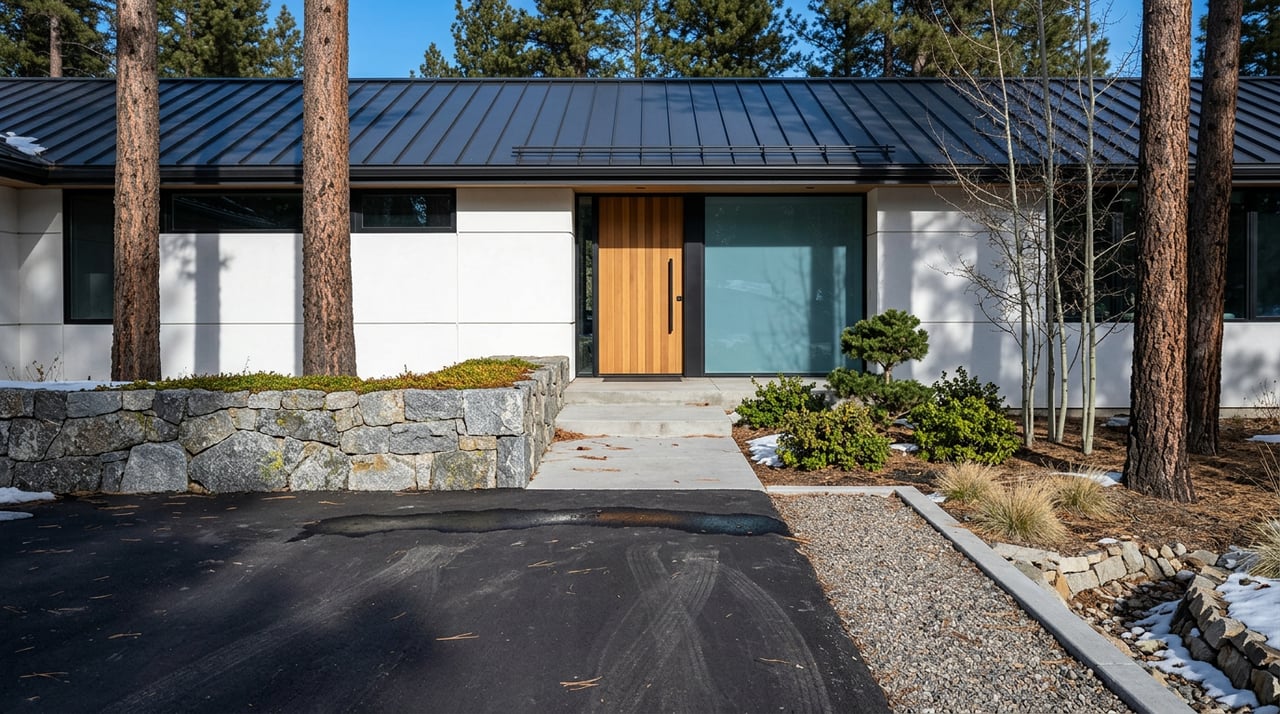
Pine Brook Hills includes a mix of lots that often range from about 1 to 3 or more acres. Homes span older mountain ranch and mid‑century styles, remodeled foothills residences and custom modern builds. Steep sites and rock outcrops often shape driveway design, foundations and outdoor spaces.
Zoning and permits
Much of the area falls under Boulder County forestry and foothills zoning categories, such as Forestry (F). If you plan to add on or build, ask the county about setbacks, slope restrictions, drainage, septic constraints and any recorded easements. For planning context and to locate the right departments, see Boulder County’s planning resources and updates under Boulder County land use and zoning.
Buyer due diligence checklist
Use this checklist to reduce surprises and strengthen your offer:
- Utilities: Contact the Pine Brook Water District for property‑transfer forms, service history and the latest CCR. Verify electric and gas service at the exact address and ask about outage history and line type.
- Septic: Order a licensed septic inspection. Collect permit history, tank and leach‑field details, and any repair or pumping records.
- Fire and mitigation: Request documentation of defensible space and home‑hardening. If available, schedule a BMFPD site visit and review your address’s evacuation polygon. See the PBH Firewise program.
- Roads and access: Confirm whether your approach roads are county or privately maintained, review snow‑removal priority and determine who clears your driveway. Read HOA Roads Committee notes.
- Insurance and financing: Get at least one written quote or pre‑screen on the property. If private markets decline, review FAIR plan limits and talk with your lender early.
- Permits and buildability: Ask Boulder County about slope and building constraints, driveway standards and any required turnarounds. Confirm recorded easements that affect access or building envelopes.
- Resiliency and costs: Price out private snow‑removal, consider a generator for outages and plan for ongoing wildfire mitigation. Community programs can help reduce cost.
What it really costs to live here
Budget for the unique mountain items that do not show up on a typical suburban list. These include private driveway plowing, periodic road work, mitigation and tree work, and potential insurance differences. Estimate these with actual vendors during inspection, and tap HOA and BMFPD resources for guidance on community mitigation that could lower long‑term costs.
Is Pine Brook Hills right for you
If you love larger lots, privacy and foothill scenery, Pine Brook Hills is a compelling choice near Boulder. The tradeoff is planning ahead for access, wildfire readiness, septic care and insurance. With the right preparation, you can enjoy mountain‑proximate living with fewer surprises and better peace of mind.
If you want a clear, step‑by‑step path to buying in Pine Brook Hills, connect with Debby Caplin Real Estate dba Bolder By Design for design‑led guidance, local resources and a calm, organized process from search to closing.
FAQs
What is the HOA like in Pine Brook Hills
- Pine Brook Hills has a voluntary HOA that supports community programs, including wildfire mitigation, and provides helpful resources on roads, firewise and neighborhood updates.
How does snow removal work in Pine Brook Hills
- Boulder County clears priority routes first, then lower‑volume subdivision roads; confirm your road’s priority and who handles your driveway before you buy.
What should I know about wildfire risk before buying here
- Review Firewise records, request BMFPD site‑visit notes, study your evacuation polygon and document mitigation to support safety, insurance and financing.
Do homes in Pine Brook Hills use septic or sewer
- Many properties rely on on‑site septic systems, so plan for a licensed inspection, permit review and verification of tank and leach‑field capacity during due diligence.
How do I confirm water service for a Pine Brook Hills home
- Contact the Pine Brook Water District for property‑transfer forms, service history and the latest Consumer Confidence Report, and verify pressure and freeze‑protection details.